Skylights are becoming increasingly popular additions to homes across the UK. Brief explanation of skylights here. The growing demand for skylights can be attributed to benefits such as natural light enhancement, energy efficiency improvements, better ventilation, and aesthetic appeal. This article provides an in-depth look at why skylights are gaining traction in the UK.
Benefits of Skylights
Natural Light Enhancement
- Skylights allow abundant natural light to flood interior spaces, elevating moods and enhancing productivity. Reliance on artificial lighting during daytime hours is also reduced.
- Impact of natural light on mood and productivity
- Reduction in reliance on artificial lighting
Energy Efficiency
- Properly positioned skylights can passively heat homes in winter, reducing reliance on heating systems. This equates to lower energy bills.
- Skylights as passive solar heating elements
- Reduction in energy consumption and utility bills
Ventilation Improvement
- Venting skylights usher in fresh outdoor air. This air circulation is important for eliminating indoor air pollutants.
- Skylights as a source of natural ventilation
- Importance of fresh air circulation in homes
Aesthetic Appeal
- Skylights infuse homes with scenic views and abundant light. This creates beautiful, inviting interior spaces.
- Skylights as architectural enhancements
- Contribution to interior design and aesthetics
Considerations for Installing Skylights
Weather Conditions
- The UK's variable climate can impact skylight efficiency. Proper positioning and durability measures are key for optimal performance despite weather fluctuations.
- Impact of varying weather on skylight efficiency
- Measures to ensure durability in different climates
Energy-Efficient Skylights
- Consumers should select skylights with low U-values for optimal insulation. Dome and tubular skylights are particularly energy-efficient options.
- Types of skylights suitable for the UK climate
- Choosing skylights with low U-values for insulation
Placement and Size
- For maximum light exposure, skylights should typically be installed on south-facing roof planes. Size depends on room dimensions but bigger is not always better.
- Optimal placement for maximum sunlight
- Determining the appropriate size based on room dimensions
Regulations and Planning Permissions
- Homeowners must obtain all required building permits and planning permissions before skylight installation. Reputable installers can provide guidance on this.
- Overview of building regulations related to skylights
- The importance of obtaining necessary permissions
Skylight Maintenance and Care
Cleaning and Inspection
- Skylights require occasional cleaning and should be inspected annually for any leaks, cracks or condensation issues. Early detection facilitates easy repairs.
- Regular cleaning practices for skylights
- Inspecting for leaks and potential issues
Upgrading and Modernizing
- Upgrading to smart skylights or energy-efficient models can optimize cost savings and functionality. However, upgrades should only be undertaken by skilled installers.
- Incorporating smart technologies for skylight control
- Benefits of upgrading to energy-efficient models
Dealing with Condensation
- Condensation usually stems from excess indoor moisture. Improving ventilation through vents and dehumidifiers alleviates the problem.
- Causes and prevention of condensation on skylights
- Addressing condensation-related issues

Frequently Asked Questions
Are skylights suitable for all types of roofs?
- Skylights can be installed on nearly any roof type. That said, some materials like slate and thatch may require custom skylights. Always consult an installer.
How do skylights contribute to energy savings?
- As solar heat collectors in winter and ventilators in summer, skylights reduce reliance on heating/cooling systems. This cuts utility bills.
Can skylights be installed in any room?
- Skylights work best in rooms where natural light exposure is most beneficial like kitchens, bathrooms, stairwells and hallways. Bedrooms are also candidates.
Are skylights prone to leaks?
- Professional installation minimizes leakage risks. Additionally, proper cleaning/inspections and immediate leak repairs reduce chances of significant water damage.
Do skylights require special maintenance?
- Beyond occasional cleaning, the only special maintenance skylights need is re-sealing frames every 6-10 years by a skilled roofer to prevent leaks.
What are the common misconceptions about skylights?
- Contrary to popular belief, skylights don't necessarily cause glare or fading issues. Also, heat loss can be curtailed with energy-efficient models.
Skylights can transform any room with natural light, enhancing mood and reducing energy costs, a feature Roofer in Chingford can skillfully install.
Thanks for reading our post, feel free to check out our other services:
- Chimney Repairs
- Commercial Roofing
- Flat Roofing
- Guttering, Soffits and Fascias
- Lead Roofing & Leadwork
- Pitched Roofing
- Roof Repairs
- Roof Replacement & New Roofs
- Skylights & Roof Windows
- Slate Roofing
Brief overview of the importance of roof protection
- Roofs provide critical protection for our homes and buildings from exterior elements like rain, snow, and sunlight
- Damage to roofs can lead to costly repairs, leaks and water damage inside the home, mold growth, and more
- Key statistics: Over 75% of UK homeowners have experienced some form of roof damage. Common causes are weather and aging.
- Performing proactive maintenance and following protective measures can significantly extend your roof's lifespan
Understanding Common Roof Damage

Weather-related Damage
- The UK’s rainy climate contributes greatly to roof deterioration and leaking issues
- Heavy rain can lead to water pooling on flat roofs while wind-driven rain on pitched roofs causes material degradation
- Rapid cooling and contraction in winter lead to cracks and lifting of roofing materials from improper installation
- Snow weight can damage the roof structure. Ice dams also force water under shingles causing decay
- Ultraviolet rays from the sun break down roofing material over time leading to brittleness and cracking
Age-related Wear and Tear
- All roofing systems endure aging which impacts durability of materials like felt, seals, and fastener points
- With asphalt shingles, curling and loss of granules indicates the felt reinforcement is deteriorating
- Older flat roof membranes become rigid and develop cracks allowing water intrusion into the roof structure
- Signs of aging requiring inspection/repairs - cracking, leaks, compromised flashing points, bald spots on shingles
- Useful lifespan ranges: clay/concrete tiles 50+ years, asphalt 30 years, flat roofing 15-25 years
Moss and Algae Growth
- Moss retains moisture accelerating decay of roof materials while algae leaves staining or surface damage
- Growth encouraged by moisture, shade, and nutrients from trees and debris on the roof surface
- Prevent growth by increasing sunlight with tree/branch trimming, clearing debris, and applying biocide washes
Proactive Roof Maintenance
Regular Inspections
- Annual inspections allows identification and correction of small issues before causing significant damages
- Check for damaged, loose or bald shingles, accumulated debris, leaks, flashing issues, and moss buildup
- DIY tips: Use binoculars for a close inspection, check attic for signs of water stains or leaks
- Consider a professional roof inspection every 3-5 years or if seeing complex issues
Cleaning and Debris Removal
- Clearing roof drains, gutters prevents overflow staining and water entry causing dry rot/rust
- Remove leaves, branches to limit material for moss/algae to grow and clog drainage pathways
- When power washing, use caution around vents/seams and limit pressure to avoid driving water underneath shingles
Repairs and Patching
- Make temporary patches to damaged areas using roof cement to prevent further water damage
- Replace damaged shingles, resecure loose panels/flashing, clear drain blockages
- Seek professional repairs for larger damaged areas, signs of structural issues or complex flashing details
Protective Measures for Different Roof Types
Flat Roofs
- Ensure adequate slope and properly functioning drains to prevent ponding water issues
- Inspect waterproofing membranes/seals around vents, skylights, etc for deterioration
- Reapplication of reflective elastomeric roof coatings protects membranes from UV and thermal damage
Pitched Roofs
- Proper attic space ventilation prevents moisture accumulation leading to mold/rot
- Flashing inspections at roof joints, protrusions critical as UV degrades caulking
- Replace broken or missing shingles in a timely manner to limit water ingress
Frequently Asked Questions (FAQ)
How often should I inspect my roof?
- It's recommended to inspect your roof at least annually before the rainy season. Additionally inspect after major storms.
What are the signs of water damage on a roof?
- Common signs are water spots on ceilings, peeling paint or plaster, discolored insulation, damp attics, and mold growth.
Can I perform roof repairs on my own?
- Minor repairs like replacing damaged shingles or resecuring flashing can potentially be DIY. More complex issues should be handled by a licensed roofer.
Are there specific weather conditions to avoid roof inspections?
- Avoid inspecting right after heavy rains or during extreme heat. Wait for dry weather conditions for the most accurate assessment.
How can I prevent moss and algae growth on my roof?
- Remove debris/leaves regularly, trim back overhanging branches, improve attic ventilation and apply moss-inhibiting chemicals.
What is the average lifespan of asphalt shingles?
- With proper maintenance, asphalt shingles typically last around 30 years before needing full replacement. High-quality shingles can last 35-40 years.
Is it necessary to hire a professional for regular roof maintenance?
- While minor maintenance can be DIY, it's recommended to have a roofing professional inspect every 3-5 years for a comprehensive condition assessment.
Chingford roofers recommend regular maintenance and the use of durable materials to protect flat roofs from water damage and leaks.
Thanks for reading our post, feel free to check out our other services:
- Chimney Repairs
- Commercial Roofing
- Flat Roofing
- Guttering, Soffits and Fascias
- Lead Roofing & Leadwork
- Pitched Roofing
- Roof Repairs
- Roof Replacement & New Roofs
- Skylights & Roof Windows
- Slate Roofing
Installing a high-quality roof that utilizes premium materials specifically designed to withstand the climate of the United Kingdom provides numerous advantages for homeowners. From increased durability and lifespan to improved energy efficiency, curb appeal, and protection of your most valuable investment, upgrading to superior roofing demonstrates a commitment to both practicality and aesthetics.
Durability and Extended Lifespan
Constructing a roof with resilient, weather-resistant materials that meet or exceed British standards ensures enhanced durability and a dramatically extended lifespan compared to low-cost alternatives.
- Robust Materials Withstand Impact and Inclement Weather - Premium roofing products, such as lightweight concrete or clay tiles, natural slate, metal panels and shingles, or heavy-duty asphalt composite shingles, are engineered for longevity. Their dense composition and structural integrity equip them to endure extreme impact, heavy rains, snow, high winds, and manual maintenance without cracking, leaking, or necessitating early replacement.
- Long-Term Viability Reduces Costs - While high-end roofing demands a greater upfront investment, it removes the expense and inconvenience of frequent repairs or complete overhauls down the road. Over decades of service, premium materials significantly outweigh the overall cost of budget products that degrade rapidly in Britain's humid, temperate climate. Their exceptional performance guarantees maximum return on investment.
Enhanced Energy Efficiency
In addition to exemplary protection against exterior threats, state-of-the-art roofing materials also provide exceptional insulation. Keeping interiors comfortable and energy costs contained, even in extreme weather.
- Insulation Regulates Temperature - Premium shingles, tiles, panels, and underlayment boast vastly superior thermal retention capabilities compared to outdated or inferior products. By reducing conduction, top-tier roofing moderates interior temperatures for less reliance on air conditioning or heat to maintain a comfortable climate.
- Slashes Carbon Footprint and Energy Bills - Temperature regulating roofing materials can dramatically decrease home energy consumption. This not only saves homeowners substantial money on electric, gas, or oil bills annually but also reduces one's carbon footprint for environmental sustainability.
- Innovative Properties Ideal for All UK Climates - Modern reflective pigments help reflect solar radiation to mitigate overheating risks, especially advantageous in warmer regions of the UK. Meanwhile, materials with higher insulation rates excel at trapping interior air to increase coziness and heating efficiency through brutal British winters.
Boosted Curb Appeal & Property Valuation
A roof in pristine, aesthetically-pleasing condition signals to potential homebuyers or property appraisers that a house was constructed and maintained to exceptionally high standards. Increased curb appeal directly correlates to enhanced market value.
- Premium Aesthetics Increase Perceived Home Value - For those considering eventually selling their home, installing high-grade roofing communicates homeowner pride, quality craftsmanship, and commitment to maintenance excellence that appeals to prospective buyers focused on moving into a structurally-sound, visually-striking property.
- Materials That Complement Architecture - From classic slate tile with Old English charm to sleek, contemporary metal panels that resemble a modern high rise, premium roofing offers broad aesthetic customization. Homeowners can select materials aligned with their home's unique architecture while elevating overall curb appeal.
Routine Maintenance & Extensive Warranties
Reputable roofing materials suppliers and installation professionals stand behind their products, providing lengthy coverage should defects arise. Moreover, quality materials demand far less invasive upkeep than inferior alternatives over their lifetime.
- Infrequent Inspections & Minor Repairs - Once installed to manufacturers' specifications, elite roofing systems require only periodic visual inspection and quick intervention with isolated damage like wind-blown debris. Their resilience eliminates the constant vigilance demanded by outdated materials prone to leakage, cracks, and other failures.
- Built-in Defect & Damage Protection - Industry-leading roofing solution providers offer 10, 20, or even 50-year product and performance warranties. Homeowners can enjoy decades of uninterrupted coverage against manufacturing issues, installation errors, materials degradation, storm harm, and more.
Frequently Asked Questions
What are the key factors in choosing quality roofing materials?
When selecting premium roofing products, prioritize durability, weatherproofing, wind/impact resistance, insulating capabilities, noise reduction, lifespan estimates over 15-20 years, manufacturer reputation, professional installation, and warranties against premature defects or damage. Consider your budget secondarily after establishing the critical protective, functional, and aesthetic characteristics necessitated by your climate and property type.
How does quality roofing contribute to energy efficiency?
Advanced materials like reflective shingles, breathable underlayments, layered composite tiles, and expert construction techniques dramatically improve air circulation and ability to retain interior heat in winter or reject solar heat gain in summer. This climate control reduces reliance on HVAC systems which cuts energy consumption and utility expenses. Green roofing choices with recycled content and sustainability initiatives also shrink homes' carbon footprints.
Is the initial cost of quality roofing justified?
While premium roofing demands greater upfront investment, the exponentially extended lifespan paired with routine maintenance and long-term warranties ensures maximum return on investment. Considering the typical roof lifespan averages 17 years in the UK, high-performance materials that last up to double that timeframe save homeowners substantial money over decades of ownership through eliminating the need for frequent and costly replacements.
What maintenance practices are recommended for quality roofing?
Most leading manufacturers advise visual inspections twice per year and after major storms. Remove debris, clear gutters and drainage paths of obstructions, brush off granule buildup on asphalt shingles, address isolated damage promptly, and ensure materials remain properly ventilated. Refer to warranty documentation for specific guidelines to avoid potential coverage forfeiture if negligence is proven related to damage claims.
Can quality roofing increase the resale value of a property?
Absolutely. Beyond protecting homes from exterior threats, premium roofing enhances aesthetics and curb appeal significantly. Materials in immaculate condition signal that owners prioritized first-rate construction and committed to exemplary maintenance over decades of occupancy. High-grade roofing displays pride of ownership that assures buyers they are purchasing a structurally-sound, valuable property built to last generations.
Roofing Chingford underscores the benefits of investing in premium materials for longevity, energy efficiency, and enhanced home value.
Thanks for reading our post, feel free to check out our other services:
- Chimney Repairs
- Commercial Roofing
- Flat Roofing
- Guttering, Soffits and Fascias
- Lead Roofing & Leadwork
- Pitched Roofing
- Roof Repairs
- Roof Replacement & New Roofs
- Skylights & Roof Windows
- Slate Roofing
Brief overview of slate roofs
- Slate roofing has been used in the UK for centuries and is a classic roofing material known for its durability and aesthetic appeal. Slate is a type of metamorphic rock that is split into thin sheets and made into roofing slates.
Importance of lifespan in roofing materials
- When choosing a roofing material, lifespan is a crucial consideration as roof replacements are disruptive and expensive. A longer lasting roof means fewer costly replacements over the lifetime of a building. Slate is valued for its long lifespan compared to other roofing options.
Focus on UK-specific considerations
- The climate in the UK, with substantial rainfall and wind, impacts how long roofs can last. UK-specific building codes and slate quarrying also influence slate roofing installations and durability. This article focuses on the factors that affect how long slate roofs typically last in the UK’s conditions.
Understanding Slate Roofing
Composition of Slate
- Slate roofing slate is made of natural stone that has been subjected to millions of years of geologic pressure, causing it to form into layered metamorphic rock. The grade, mineral content, and structural integrity of the slate all impact its quality and weather resistance.
Common types of slate used for roofing in the UK include:
- Welsh slate: Indigenous to Wales and very durable. Often seen on historic buildings.
- Spanish slate: Known for its vibrant purple and blue-grey colors. Lightweight.
- Chinese slate: Cheaper option but less durable than European slate. Requires more maintenance.
- Polymer slate: Lightweight synthetic or manmade slate made from recycled plastics. Can resemble natural slate. More affordable than quarried slate.
Installation Process
-
Proper installation by a trained professional roofer is key to maximizing the lifespan and preventing leaks or failures in a slate roof.
Factors that influence installation quality include:
- Skill of the roofing crew
- Quality of the underlayment layer
- Appropriate slope and pitch to enable drainage
- Attention to detail around flashings and roof edges
Proper ongoing maintenance and repairs also heavily impact how long a slate roof lasts.
Factors Influencing Lifespan
Climate Impact
-
The moist, wet climate in the UK can be very hard on roofs. Slate holds up better than many roofing materials, but extreme weather events do still impact slate roof longevity.
How climate affects slate roofs:
- Rain and dampness leads to faster erosion of the slate over time
- High winds can displace or blow off slates if not properly secured
- Freezing temperatures expand slate and cause cracks
- Extreme heat causes tiles to buckle and increase UV damage
- Pollution erodes slate more quickly
- A slate roof in a very wet and stormy area of the UK may need replacement sooner than one in a more temperate region.
Maintenance Practices
- Regular inspections and proactive maintenance makes a big difference in the usable lifespan of a slate roof. Lack of maintenance often shortens lifespan.
Recommended maintenance routines:
- Annual inspections for damaged, cracked, or missing slates
- Replacement of any damaged slates and resealing joints
- Clearing debris like leaves from the roof and ensuring proper drainage
- Checking condition of flashing and repair as needed
- Having a professional roofer evaluate if full replacement is needed after ~60 years
Quality of Slate
- Not all slate is equal - the grade, thickness, and mineral content impacts durability. Identifying high quality slate maximizes the roof's lifespan.
Grades of slate and their impact:
- Architectural grade provides the best longevity, over 120 years
- Roofing grade still durable at 80-100 years
- Landscaping grade too porous and spalls apart faster
- Appearance isn’t an indicator of quality. Testing metrics like absorption rate, thickness, and modulus of rupture are better predictors.
- Slate quarries vary substantially in quality. Spanish, Welsh, Vermont slate has proven superior lifespan.
Average Lifespan Statistics
Industry Standards
-
The expected lifespan of a new high quality slate roof in the UK is typically 80-120+ years depending on several variables.
General factors influencing lifespan variances:
- Architectural grade slate lasts longer than basic roofing slate
- Steeper roof pitch over 30° enables better drainage
- Lifespans tend to be a bit lower on structures near the ocean
- Severe weather events or pollution can erode more quickly
- With proper maintenance and barring any major storms, most good slate roofs will last 90-110 years.
Case Studies
- Westminster Palace is an iconic example of durable slate roofing. The slate on this 130 year old building with unusually steep pitches remains waterproof and intact.
- Another case study found 75% of 100+ year old slate roofs surveyed across the UK had at least 50 years of service left, provided repairs were made.
- One analysis of older slate roof lifespan found an average functional age of 166 years on south-facing historic roofs that received routine maintenance.
- These case studies highlight the impressive longevity possible with quality slate roof installation and upkeep. Many factors impact averages, but well-built slate roofs can last over 150 years in the UK climate.
FAQ
What is the average lifespan of a slate roof in the UK?
- The average lifespan of a slate roof is typically 80-120 years in the UK. Slate as a roofing material has exceptional longevity properties. However, factors like installation methods, roof pitch, geographic location, air pollution levels and regular maintenance impact the useful life of a slate roof. Taking these factors into account, a properly constructed and cared for slate roof will usually last around 90-110 years.
Can slate roofs withstand extreme weather conditions?
- Yes, slate roofs hold up remarkably well even in extreme UK weather conditions. Their durability against wind, rain and storms makes them a smart long term roofing investment. That said, extreme cold, heat waves and pollution can impact their lifespan somewhat. Older or lower quality slate is more vulnerable to wind uplift or water ingress during harsh storms. Regular inspections ensure issues get addressed before severe damage occurs. With proper installation and maintenance, slate roofs withstand decades of tough weather.
How often should slate roofs be inspected?
- It’s recommended to have slate roofs professionally inspected at least once a year. The roof should be checked for any damaged, loose or missing slates, deterioration around flashings and edges, and debris buildup that could impede drainage. Any issues found should be repaired immediately to prevent water getting in and causing rot or leaks. More frequent inspections every 3-6 months are a good idea for older roofs or roofs past the 60 year mark that may need replacement evaluation.
Is it possible to repair a damaged slate roof?
- Yes, an experienced roofer can absolutely repair most damage to a slate roof through selective replacement of individual damaged slates. Repairs are recommended when only a few slates are affected. Full replacement becomes the better option if more than 30% of the slates are cracked or deteriorated. As long as the roof deck itself is still intact and solid underneath, repairs make good financial sense compared to the high cost of a whole new slate roof installation.
Are all slates created equal?
- Unfortunately slate quality can vary tremendously, and inferior slate will decay faster. Several key metrics like water absorption tests, compression ratings and modulus of rupture should be examined, not just appearance. Architectural grade slate containing higher mica content and density provides superior longevity vs basic roofing slate. What quarry and geological origin the slate came from impacts quality as well. In general slate from Wales, Spain and Vermont offers better weather resistance and lifespans up to 120+ years due to their excellent grade.
Can slate roofs be installed on any type of structure?
- Slate’s remarkable durability comes with extra weight and expense. The structure must be evaluated to ensure adequate load-bearing capacity for a slate roof. Additional decking and framing reinforcements may be needed on buildings not originally engineered to hold heavy slate. Masonry buildings and residential homes often require additional wood framing on top of existing rafters before slate installation. So while slate roofs can be retrofitted onto many buildings, the underlying structure and roof support system needs to be assessed first for compatibility.
Roofers Chingford highlight that slate roofs can last over 100 years with proper maintenance, offering a timeless and durable roofing solution.
Thanks for reading our post, feel free to check out our other services:
- Chimney Repairs
- Commercial Roofing
- Flat Roofing
- Guttering, Soffits and Fascias
- Lead Roofing & Leadwork
- Pitched Roofing
- Roof Repairs
- Roof Replacement & New Roofs
- Skylights & Roof Windows
- Slate Roofing
Flat roofs are commonly found on extensions, garages, dormers, commercial buildings and porches in the UK. Determining the right thickness is crucial for durability, preventing leaks, insulation, and adhering to building regulations. The thickness depends on the roofing material used, climate and weather conditions, pitch, and intended purpose.
This comprehensive guide examines the key factors in determining flat roof thickness in the UK. We’ll overview building regulations, analyze the most common roofing materials and required thicknesses, consider climate impacts, and answer frequently asked questions about maintaining optimal flat roof thickness.
Building Regulations for Flat Roofs
Building regulations set the standards for design and construction in the UK, covering critical factors like safety, energy efficiency, accessibility, sound insulation and fire safety. Relevant sections related to flat roofs include:
- Part A: Structure – impacts strength requirements
- Part C: Site preparation and resistance to contaminants and moisture – influences weatherproofing
- Part L: Conservation of fuel and power – governs insulation
Minimum Thickness Requirements
The main regulation influencing flat roof thickness is Part C, which mandates a minimum construction thickness for flat roofs of not less than 30mm. This refers to the waterproof layer itself.
However, merely meeting this bare minimum thickness is not advisable, as it will likely lead to issues with leaks, ponding water, damage and mold.
Exceptions and Variations
Exceptions to the 30mm minimum standard include:
- Non-habitable garages or detached buildings below 30 sq m
- Refurbishment projects where the existing structure inhibits meeting standards
- Installation of green roofs
In these cases, lower thicknesses may be allowable, subject to approval from building control inspectors.

Types of Flat Roof Materials and Thickness
Asphalt
Asphalt is a bituminous roofing material composed of strong waterproofing agents. For flat roofs, asphalt thickness should be 9-13mm over weatherproof decking.
Advantages:
- Durable
- Long-lasting (over 30 years)
- Can withstand ponding water
Disadvantages:
- Damaged by high heat and cold temperatures
- Heavy (adds substantial roof load)
EPDM
EPDM (ethylene propylene diene terpolymer) is a popular synthetic single-ply flat roof membrane with reliable durability and flexibility. Recommended thickness is 1.14–1.52mm, with additional layers for areas likely to experience damage.
Pros
- Extremely durable and weatherproof
- Lightweight and flexible
- Easy to install and repair
Cons:
- Vulnerable to tears or punctures
- Can experience shrinkage and contraction over time
Built-Up Roofing (BUR)
BUR systems (also called tar-and-gravel) provide exceptional protection and a long service life. They involve layers of bitumen membranes reinforced with materials like felt, topped with an aggregate surface.
For BUR flat roofs:
- Bitumen waterproofing layer thickness should be ≥ 4mm
- Total system thickness is typically 38-51mm
Benefits
- Very effective waterproofing
- Long lifespan – can last over 30 years
- Withstand ponding water and snow loads
Potential Drawbacks
- Additional roof load from multiple layers
- Installation is labor-intensive
- Vulnerable to solar heat damage
Climate Impact on Flat Roof Thickness
The UK’s temperate maritime climate means seasons exhibit variations in temperatures, rainfall, snow and wind. This affects the optimal flat roof thickness.
Cold Climate Considerations
In winter months, flat roofs must withstand heavy snow loads, ice dams, freeze-thaw cycles plus cold temperatures and winds. To cope with this:
- Increase insulation thickness to retain warmth and prevent ice buildup
- Use materials resistant to low temperatures like EPDM and asphalt
- Install protective layers over waterproofing to shield from damage
Recommended minimum total thickness for cold climates: ≥100mm
Hot Climate Factors
UK summers can reach fairly high temperatures. To handle heat and sunlight exposure:
- Use reflective coatings and surfaces
- Ensure adequate vapor barriers and ventilation
- Select materials capable of withstanding heat and UV light like EPDM
Suggested minimum for hot climates: ≥75mm

Frequently Asked Questions
What is the standard flat roof thickness in the UK?
The technical standard for flat roof waterproofing thickness is 30mm. However, additional protective and insulating layers mean total thickness typically ranges from 50mm up to 200mm.
Can I use insulation to compensate for thinner waterproofing?
Increasing insulation thickness cannot offset an inadequate waterproof barrier. Insulation protects the roof structure rather than weatherproofs it. Adequate waterproofing thickness is essential.
Are there eco-friendly flat roof options?
Yes, green roofs with soil and planted vegetation provide environmental benefits. They require specialist design and installation but are permitted to have reduced thickness. Other eco options include solar reflective paint, recycled materials and responsibly sourced suppliers.
How does roof pitch impact thickness?
Low-pitched flat roofs require greater thickness - at least 50mm. Steeper pitches enable improved drainage and weatherproofing, allowing possibility of lower thickness but still adhering to 30mm minimum standards.
What maintenance preserves thickness?
Inspect flat roofs annually and perform repairs quickly to prevent further deterioration or leaks which can damage waterproofing integrity. Control vegetation growth and clear drains and outlets regularly. Top up aggregate on BUR roofs when thinning.
Is planning permission needed to increase thickness?
If thickness changes exceed 200mm, planning permission may be required. Additionally, excess weight could require structural reinforcements. When planning flat roof projects, consult with your local authority building control department.
Roofing Chingford advises on the optimal thickness for flat roofs in the UK, considering insulation, durability, and building regulations.
Thanks for reading our post, feel free to check out our other services:
- Chimney Repairs
- Commercial Roofing
- Flat Roofing
- Guttering, Soffits and Fascias
- Lead Roofing & Leadwork
- Pitched Roofing
- Roof Repairs
- Roof Replacement & New Roofs
- Skylights & Roof Windows
- Slate Roofing
Choosing an affordable roof is key to keeping construction costs down. Different roof types can greatly impact overall budgets, both initially and over time. It’s important to weigh the upfront expenses against long-term factors like durability, maintenance needs, and energy efficiency. This guide will compare the most popular roofing options in the UK based on total cost of ownership.
Factors Influencing Roof Costs
Several key considerations affect how much a roof will cost over its lifetime:
Material Costs
- Asphalt shingles are the most budget-friendly roofing material, while natural slate is premium and expensive
- Metal and tile roofs fall somewhere in the middle price-wise but vary in cost depending on the material grade and quality
- Green roof systems have high upfront costs but provide environmental benefits
Installation Costs
- Simple roof shapes keep labor costs low, while complex styles require more time and skill to install
- Availability of qualified roofers can also impact project expenses
- Scaffolding or equipment rentals add to the total installation costs
Long-Term Maintenance
- Durability and weather-resistance determines how often repairs or replacement are needed
- Metal and tile roofs last 50+ years, while asphalt may need replacing every 20 years
- Ongoing maintenance like cleaning gutters affects long-term costs
Popular Roofing Options in the UK

Some of the most common choices for British roofs are:
Asphalt Shingles
- Affordable option perfect for cost-conscious builds
- Shingles last around 15-30 years
- Easy to install and come in a variety of colors and styles
Concrete Tiles
- Cost-effective, durable tiles with 50+ year lifespan
- Heavier than clay tiles but still popular
- Low maintenance but higher initial installation costs
Metal Roofing
- Higher upfront cost but extremely long-lasting at 70+ years
- Resists weather damage and requires little ongoing maintenance
- Eco-friendly, energy-efficient option that saves money long-term
Frequently Asked Questions
What is the cheapest roofing material overall?
When considering full lifecycle costs, asphalt shingles are typically the most affordable option. They have low upfront costs for materials and installation. Their shorter lifespan means replacing them more often, but they remain the cheapest way to roof a house in the UK.
Are there government incentives for choosing certain roofing materials?
Yes, there are often tax credits, rebates, or exemptions for selecting energy efficient roofing materials. Metal, tile, or coated roofs that reflect heat qualify. Green roof infrastructure credits may also apply. Always check federal and local incentives when choosing roof materials.
How do I estimate the total cost of a roofing project?
To accurately estimate costs:
- Get multiple quotes from roofers based on your specific roof size and style
- Factor in structural repairs needing done before installing
- Account for permits, materials, labor, and any customizations
- Consider lifespan when weighing upfront vs long term costs
Which roofing material is most environmentally friendly?
Green roofs with vegetation help reduce energy consumption, stormwater runoff, pollution, and the urban heat island effect. They provide environmental benefits but have higher upfront installation costs. Metal and tile are other eco-friendly options as they’re durable, recyclable, and energy efficient.
Conclusion
The cheapest roofing type for your home depends on more than just the price per square metre. You must weigh the upfront costs against durability, maintenance needs, and efficiency over the roof’s lifetime. Asphalt shingles are the most budget-friendly overall, while materials like metal and tile cost more initially but save money long-term. Consider your home’s unique needs along with your budget to choose the most economical roofing solution.
For budget-conscious homeowners, discussing options with Roofers in Chingford can reveal affordable roofing solutions that don't compromise on quality.
Thanks for reading our post, feel free to check out our other services:
- Chimney Repairs
- Commercial Roofing
- Flat Roofing
- Guttering, Soffits and Fascias
- Lead Roofing & Leadwork
- Pitched Roofing
- Roof Repairs
- Roof Replacement & New Roofs
- Skylights & Roof Windows
- Slate Roofing
Roof ventilation refers to systems and techniques used to circulate external air through the attic or loft space of a building. Effective roof ventilation serves several critical functions - it regulates attic temperature, prevents moisture buildup, prolongs roof lifespan, and enhances energy efficiency. This article explores the purpose and importance of proper ventilation for UK roofs specifically.
Importance of Roof Ventilation
Effective roof ventilation provides a number of structural and functional benefits:
Regulation of Temperature
By facilitating convective air currents, ventilation prevents heat buildup in the attic space during hot weather. This regulates temperature and reduces the load on air conditioning systems.
- Poor ventilation can lead to attic temperatures in excess of 150°F during summer heatwaves. This heat radiates downwards raising internal home temperatures.
- Proper ventilation maintains the attic space closer to the external ambient temperature year-round lowering summer cooling costs.
Moisture Control
Ventilation also controls humidity and condensation within the attic space.
- The moist maritime climate of the UK increases condensation risks. Ventilation regulates the attic moisture level preventing condensation.
- Condensation can lead to mold growth, mildew, and eventually structural damage if unchecked.
Additionally, controlling attic humidity enhances the effectiveness of loft insulation. Wet insulation loses some of its ability to retard heat flow.
Prolonging Roof Lifespan
By regulating attic temperature and humidity, effective ventilation protects the physical integrity of the roof structure.
- Ventilation inhibits shingle deterioration by preventing large temperature fluctuations that cause expansion and contraction stress.
- Regular air circulation drying excess moisture protects roof elements from warping, decay, and mold growth.
These measures minimize the impact of extreme weather events like storms, freezing rain, and winter snowmelds extending the functional lifespan of the roof.
Types of Roof Ventilation Systems
There are two main approaches to ventilating a roof - passive ventilation and active ventilation. Many roofs also incorporate a hybrid strategy combining elements of both.
Passive Ventilation
Passive ventilation relies solely on natural air movement to drive circulation.
- Turbines and ridge vents are common passive ventilation systems in the UK climate.
- Passive elements require proper roof structure and design to facilitate airflow. The effectiveness drops dramatically in low wind conditions.
Active Ventilation
Active ventilation uses fans and other mechanical air-movement systems.
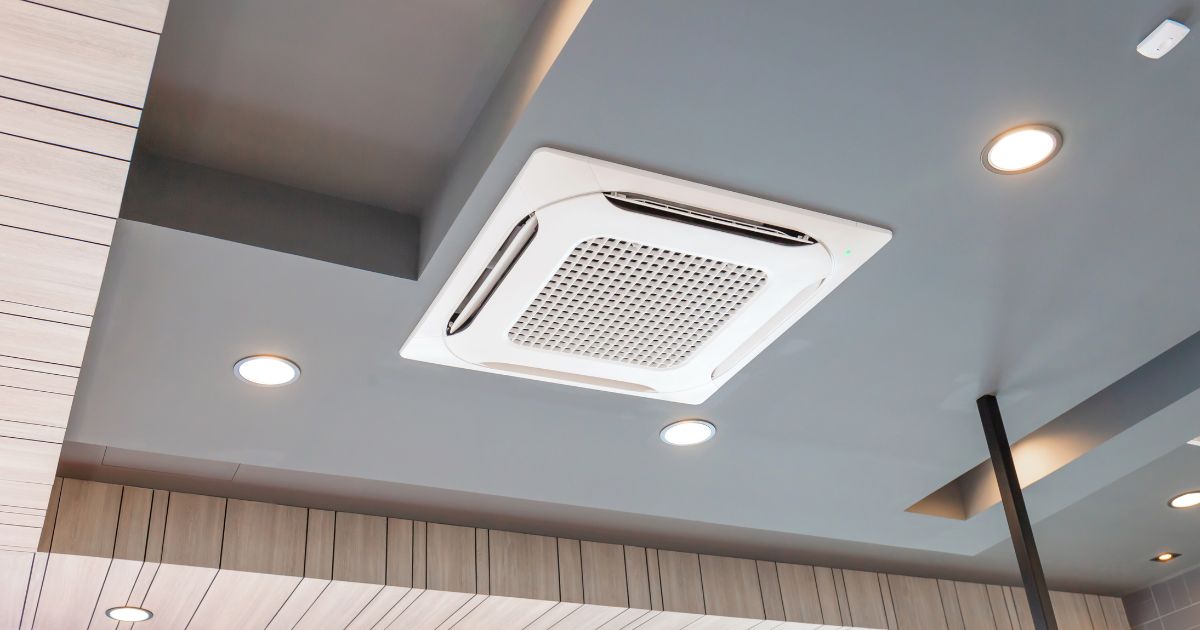
- Powered turbines, roof vents, and soffit fans are typical active ventilation approaches.
- Active ventilation provides a consistent level of airflow regardless of environmental conditions. But the systems require an energy source to operate.
Hybrid Ventilation
Combining both passive and active elements creates the most resilient ventilation system.
- Passive ventilation handles airflow during normal conditions
- Supplemental fans provide guaranteed circulation during peak summer heat or high humidity
- This balanced approach maximizes airflow while minimizing energy consumption
Factors Influencing the Effectiveness of Roof Ventilation
Multiple variables impact ventilation efficacy - mainly attic design, roof construction, and regional climate patterns.
Roof Design
The shape and slope of the roof impact natural air currents.
- Steeper roofs facilitate better airflow and passive ventilation. Flat roofs often require active systems.
- Long ridges allow efficient heat and moisture dissipation while complex rooflines create pockets where ventilation struggles.
These factors help determine the spacing, quantity, and type of ventilation systems needed.
Local Climate
UK weather patterns also influence ventilation system design.
- The temperate maritime climate lacks extreme temperatures but brings heavy rainfall and storms.
- Maintaining attic airflow during low winds and winter snowmelds presents regional design challenges.
Hybrid approaches help ensure adequate ventilation despite variable conditions.
Maintenance Practices
Like any home system, roof ventilation requires periodic inspection and upkeep to remain effective.
- Debris accumulation, frost closure, wildlife nests, and other issues can restrict airflow over time.
- Checking and clearing ventilation systems helps them work as intended year after year.
Frequently Asked Questions
What are the signs of poor roof ventilation?
- Mold or mildew - Dark fungal growth on roof rafters or sheathing
- Wet insulation - Moisture beading on insulation indicates condensation
- Ice dams - Icicles or ice build up at roof edges during winter
- Rotting rafters - Wood roof structure decaying or softening
These symptoms indicate substantial moisture accumulation signaling insufficient airflow.
Can roof ventilation reduce energy costs?
Yes, proper attic ventilation improves home energy efficiency. Preventing summer heat buildup reduces air conditioning demands. Well-ventilated attic insulation also retains better insulating properties cutting winter heating requirements. Most studies show a 10-50% drop in annual energy costs from an effectively ventilated attic.
Are there government regulations for roof ventilation in the UK?
Yes, UK building codes include minimum roof ventilation requirements. All new construction and renovations must comply with regulations mandated by Building Regulations 2010 and other statutory instruments. Additionally, homes may need upgraded ventilation to meet more stringent standards for energy efficiency ratings.
How often should roof ventilation systems be inspected?
Industry best practice recommends inspecting attic ventilation systems at least twice per year - spring and fall. Check for any blockages, damage, deterioration, or animal nests that could impede airflow. Also confirm insulation remains properly installed and in good condition. More frequent inspections after major storms are also wise.
Can roof ventilation prevent ice dams in the winter?
Yes, effective ventilation reduces the incidence of ice dams. By preventing attic heat buildup, proper ventilation inhibits snow on the roof from melting. This minimizes meltwater that can refreeze at uninsulated eaves and gutters forming ice dams that force more melting and leakage. Maintaining consistent winter attic temperatures is key to preventing ice dam water infiltration.
Roofers Chingford explains that effective roof ventilation is crucial in the UK to prevent moisture buildup, extending the life of your roof.
Thanks for reading our post, feel free to check out our other services:
- Chimney Repairs
- Commercial Roofing
- Flat Roofing
- Guttering, Soffits and Fascias
- Lead Roofing & Leadwork
- Pitched Roofing
- Roof Repairs
- Roof Replacement & New Roofs
- Skylights & Roof Windows
- Slate Roofing
A commercial roof is a critical component of any business property, providing essential protection from the elements. However, even the most robust roofing systems eventually show signs of aging and require replacement.
The lifespan of a commercial roof can vary substantially depending on factors like roofing materials, weather and climate, installation methods, and maintenance routines. By understanding what impacts roof longevity and implementing best practices, facility managers can maximize the usable life of their roofing infrastructure.
Roofing Material Matters
The type of commercial roofing material selected makes a major difference in lifespan expectations. There are four primary options, each with their own durability factors:
EPDM Roof Membranes
EPDM (ethylene propylene diene terpolymer) is a synthetic rubber material that has become very popular for low-slope commercial roofs. An EPDM roof installed by competent professionals can last 20-25 years or more with appropriate care. Benefits include:
- High elasticity and weather/UV resistance
- Seam strength and tear resistance
- Simple repairs and maintenance
- Lower cost than many alternatives
PVC Roofing
Polyvinyl chloride (PVC) is another single-ply commercial roofing membrane gaining widespread use, owing to its durability and flexibility. With proper installation and care, a PVC roof can remain functional for 20 years or longer. Key advantages of PVC roofing include:
- Excellent resistance to chemicals, flames, impacts, and more
- Retains properties despite temperature shifts
- Lighter weight than materials like modified bitumen
- Welded seams provide exceptional leak protection
TPO Membranes
Thermoplastic polyolefin (TPO) membranes have emerged as a top choice for flat commercial roofing systems. While cheaper than PVC, TPO still provides impressive longevity — typically 15-20 years with sound installation and maintenance. Benefits of TPO roofing include:
- High resistance to punctures, UV rays, ozone, and chemicals
- Can handle significant building movement and traffic
- Energy efficiency and solar reflectance
- Lighter than built-up or modified bitumen roofs
Metal Commercial Roofing
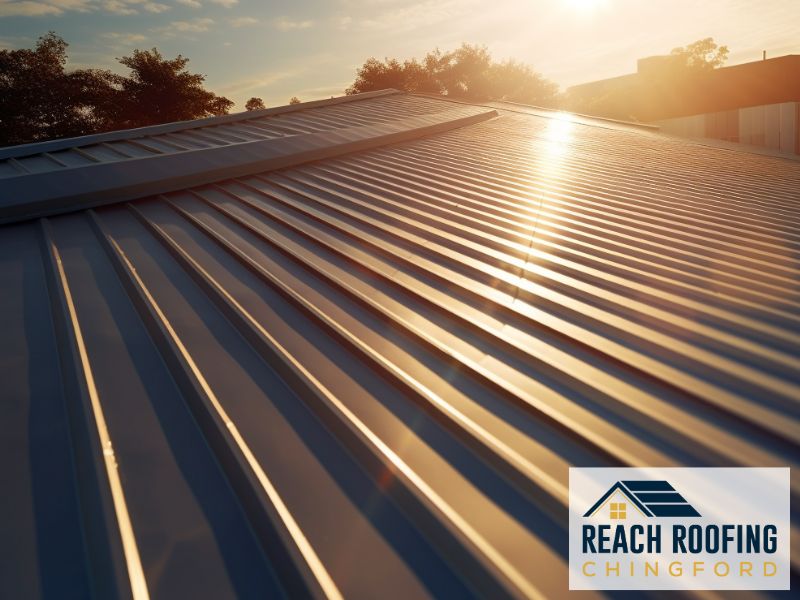
For commercial buildings with sloped or complex roofs, metal panels are often the ideal solution. While expensive upfront, a properly installed metal roof can remain watertight for 40 years or more. Key metal roof advantages include:
- Extreme durability and weather resistance
- Long-term energy cost savings from reflectivity
- Able to withstand heavy wind, rain, snow, and hail events
- Lower risk of leaks compared to membrane roofs
- Exceptional fire rating
Climate Conditions in the UK
The cool, rainy climate across much of the UK can negatively impact commercial roof lifespan if systems are not designed appropriately. Facility managers must account for the following factors:
Rain and Moisture
Certain areas of the UK receive over 200 rainy days per year. Prolonged moisture exposure accelerates the aging process for roof membranes and flashings. Warmer southwest regions also contend with algae and fungi growth. Implementing adequate drainage and runoff mitigation is critical.
Wind and Storms
High winds are another UK weather hazard, especially in coastal areas. Strong gusts can displace roofing materials over time. Wind uplift resistance should be confirmed before installation based on relevant building standards.
Temperature Fluctuations
While lacking extreme heat, the UK still sees relatively wide temperature shifts throughout the year. Thermal cycling strains many roof materials. Specifying products designed for low/high temperature tolerance improves durability.
Why Proper Installation Matters
Even premium commercial roofing products will fail prematurely if poorly installed by amateur or negligent contractors. Common problems leading to shortened roof lifespan include:
- Inadequate decking preparation and attachment
- Substandard seaming, welding, or adhesive application
- Flashing details missing or incorrectly placed
- Insufficient slope or drainage provisions
- Lack of protection during construction
Reputable commercial roofing contractors follow meticulous protocols during tear-off, deck analysis, installation, cleanup, and inspection. Choosing the right installer is just as important as materials selected.
Warning Signs to Watch For
Facility managers should routinely examine commercial roofs for any indicators of accelerated deterioration or leakage risk. Catching problems early better protects interior assets and avoids costlier future repairs.
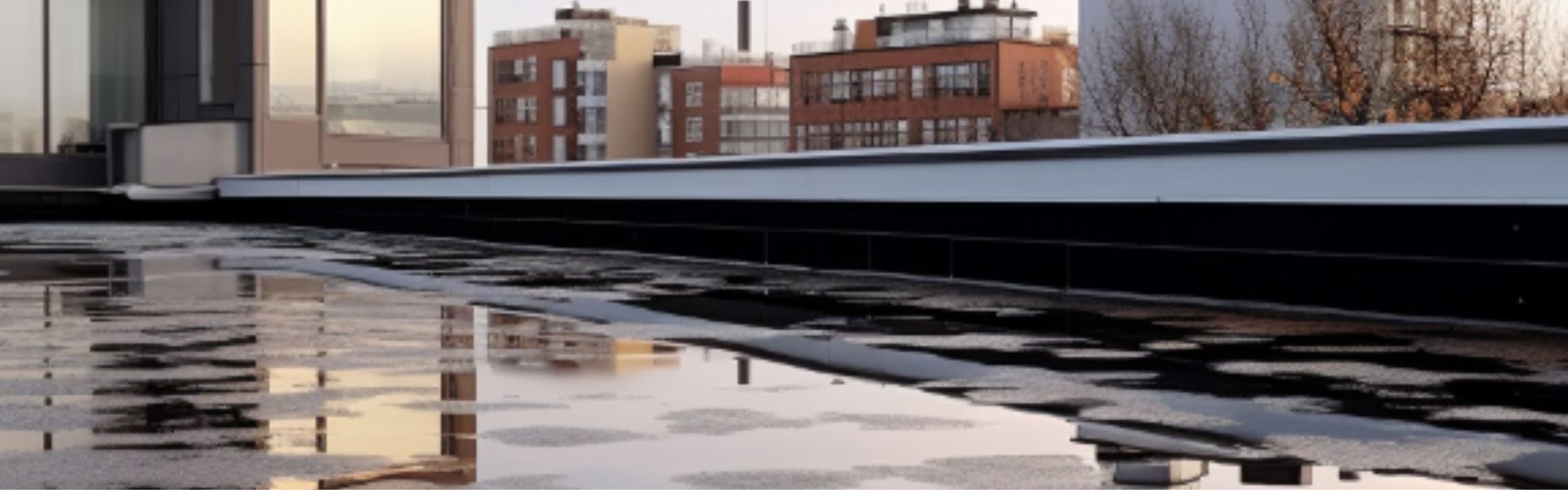
Ponding Water
Standing water that lingers more than 48 hours accelerates roof aging via prolonged material saturation. Check for low spots or clogged drains after heavy rains. Address identified trouble areas before water ingress damages decking or interior finishes.
Membrane Cracking/Brittleness
Traffic, weathering, and chemical exposure can cause single ply membranes to become rigid or cracked over time. Complete hands-on inspection while noting areas of embrittlement, surface abrasion, and crack formation. Addressing minor membrane distress early on avoids premature replacement.
Detailing Breakdown
Carefully analyze flashing, metal edging, pitch pockets, and termination points around roof protrusions. Caulking failure, loose fasteners, or separated seams signify advanced aging. Restoring failed details prevents catastrophic leakage as the roof continues to degrade.
Best Practices for Maximizing Roof Longevity
Business owners and facility managers should implement the following roof care best practices to achieve full lifespan potential from their commercial roofing investment:
Scheduled Inspections
Conduct comprehensive roof examinations at least twice per year, with additional checks after major storms. Keep detailed documentation of identified trouble spots to inform repair priorities and projected lifespan. Professional inspections are ideal for large/complex roof systems.
Timely Repairs
Upon noting any moderate roof defect during inspections, promptly engage a qualified contractor to restore integrity and prevent further damage. Catching failed flashings, adhesive issues, or membrane punctures early on limits repair costs and associated business disruptions.
Regular Cleaning/Maintenance
Remove accumulated debris, clear drain paths, trim back vegetation, and wash surfaces annually to limit material degradation. Scheduling preventative maintenance helps facility managers stick to a roof care budget rather than scrambling emergency repairs.
FAQs
What is the typical lifespan of a commercial roof in the UK?
For quality membrane roofing installed and maintained properly for UK climate conditions, facility managers can reasonably expect 15-25 years of reliable performance prior to replacement, depending on the selected system and warranty specifics. Sloped standing seam metal roofs generally last upwards of 25-40 years when well-maintained.
Can I extend roof lifespan through DIY maintenance?
Performing basic housekeeping like clearing drains or removing debris certainly helps. However, facility managers should not attempt membrane patches, flashing repairs, or other robust roof interventions themselves. Minor mistakes can void warranties or severely undermine water integrity. Instead, enlist accredited contractors for repairs.
How do UK weather conditions impact commercial roof longevity?
The wet climate, storm exposure, and annual freeze-thaw cycles all accelerate roof aging compared to warmer regions. Specifying durable materials designed for UK conditions gives roofs the best chance of meeting lifespan projections. Proactive maintenance is also essential.
Is professional inspection necessary?
While managers can perform their own routine checks, biannual professional UK roof inspections provide tremendous value for commercial buildings. Experienced roofing experts spot subtle warning signs of failure nearly impossible for amateurs to detect. The investment helps facility teams catch major issues before they escalate into crises.
Reach Roofing Chingford ensures that commercial roofs have a varying lifespan based on material choice and maintenance practices, often ranging from 20 to 50 years.
Thanks for reading our post, feel free to check out our other services:
- Chimney Repairs
- Commercial Roofing
- Flat Roofing
- Guttering, Soffits and Fascias
- Lead Roofing & Leadwork
- Pitched Roofing
- Roof Repairs
- Roof Replacement & New Roofs
- Skylights & Roof Windows
- Slate Roofing
Brief overview of lead roofing
- Durable, malleable metal that resists corrosion
- Used for roofing in Europe for centuries
- Requires little maintenance when properly installed
- Can last over 100 years when well-maintained
Importance of knowing the lifespan of a lead roof
- Lead roofs involve major upfront investment
- Lifespan determines cost-effectiveness
- Informs maintenance needs and schedule
- Helps plan for eventual replacement
Factors influencing the lifespan
- Environmental conditions
- Installation quality
- Roof design and pitch
Understanding Lead Roofing
Characteristics of Lead
- Durability and malleability - Lead is soft, flexible, and stretchable. It can cope with building movement and settlement better than other metals.
- Resistance to corrosion - Lead reacts with water and oxygen to form an outer patina layer that protects the underlying metal from corrosion. This protective coating enables exceptionally long life.
- Aesthetic appeal - Lead has a distinctive, attractive gray appearance that can complement traditional and historic architecture. The natural patina develops gradually over time.
Types of Lead Roofing
- Traditional lead sheet roofing - Used for centuries in the UK. Lead sheets custom-shaped and assembled using rolls and drips. Utilizes joints and seams.
- Lead tiles and shingles - Resemble roofing slates. Nailed to roof decking. Generally quicker to install than sheet lead.
- Lead standing seam roofing - Lead sheets with raised seams. Provides watertight performance. Allows for movement and expansion. Common on low-slope roofs.
Factors Influencing the Lifespan
Environmental Factors
- Impact of weather conditions in the UK - Frequent rain exposure overtime can accelerate patina formation. Temperature fluctuations and severe weather events also negatively impact longevity.
- Exposure to pollutants and chemicals - Industrial emissions may corrode lead or inhibit patina formation. Organic materials can also cause accelerated deterioration.
- Influence of temperature fluctuations – Repeated expansion and contraction weakens lead joints and seams over time. Temperature variations contribute to fatigue.
Installation Quality
- Importance of professional installation - Improper techniques lead to premature failures, leaks, and reduced lifespan. Qualified roofers know to accommodate expansion and contraction.
- Common installation mistakes to avoid - Errors like overdriving fasteners, improper seam placement, and poor detailing should be avoided. Pre-inspection of roof decking is also vital.
- Regular maintenance and inspections - Periodic cleaning, patina treatment, visual inspections, and minor repairs can optimize longevity. Lack of maintenance shortens lifespan.
Roof Design and Slope
- Impact of roof design on longevity - Features like adequate perimeter detailing and cricket placement influence performance. Structural issues also contribute to deterioration or leaks.
- Recommended slopes for lead roofing - Minimum slopes of 3:12 provide adequate drainage but steeper slopes up to 8:12 perform better long-term. Flat roofs require tapered design.
- Proper drainage considerations - Effective water evacuation, sufficient outlets, and slope consistency prevents pooling and associated damage over time.
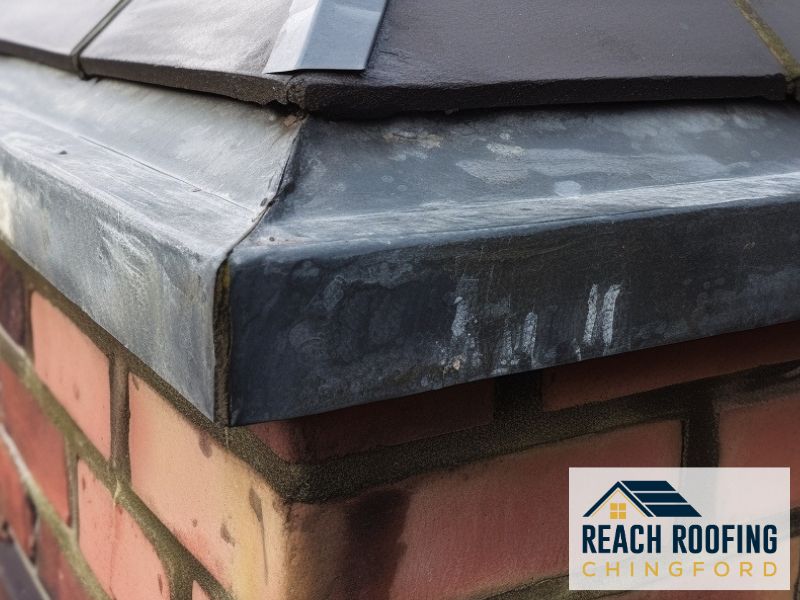
Average Lifespan of a Lead Roof in the UK
Historical Context
- Examples of long-lasting lead roofs - Well documented lead roofs surviving over 120 years include those at Yorkshire Parish Church (installed in 1864) and Tredegar House in South Wales (1696).
- Evolution of lead roofing techniques – Early lead roofs utilized primitive joint methods and lacked specialized tools. Modern precision fabrication, soldering methods, and purpose-made clips extend longevity.
Statistical Data
- Average lifespan based on industry studies - According to data, most lead roofs in the UK last between 100-150 years before needing full replacement. 70 years is considered the low end while roofs older than 200 years exist.
- Regional variations in longevity - Atmospheric conditions in coastal areas contribute to higher corrosion rates shortening lifespan by 10-15%. Industrial areas also see slightly accelerated deterioration.
- Real-world case studies - Analysis of 30 lead roofs in London, Edinburgh and Manchester revealed an average age of 110 years at replacement, confirming 100-150 year expected lifespans.
FAQ Section
What is the typical lifespan of a lead roof in the UK?
- The typical lifespan is 100-150 years for a lead roof in the UK before requiring complete replacement. Proper installation and ongoing maintenance can maximize longevity.
How does the UK climate affect lead roofing?
- Frequent rain, moderate temperature fluctuations, coastal salt exposure, and occasional severe weather in the UK climate necessitates sturdy lead sheet grades and robust detailing to achieve maximum lifespan.
Are there specific maintenance requirements for lead roofs?
- Lead roofs require regular inspections, cleaning out gutters, treating patina layers, re-fixing loose roofing components, and conducting minor repairs to offset deterioration and extend the lifespan.
Can a lead roof be repaired if damaged?
- Damaged lead roofs can be effectively patched and repaired via re-soldering joints or installing new lead sheeting pieces. This preserves the existing roof and avoids full replacement.
What are the signs that a lead roof needs replacement?
- Signs include severe structural deformation, multiple leak points, extreme patina buildup with corrosion underneath, deterioration adjacent seams and joints, or damage from storms or falling debris.
Are there alternative roofing materials with longer lifespans?
- Slate and clay tiles may last 150-200 years. Copper roofs can surpass lead too. But lead still remains a durable and practical roofing material in the UK climate.
How does the cost of lead roofing compare to other materials?
- Lead roofing has a higher upfront cost than asphalt, steel, or bitumen roofing but the extended lifespan makes it more cost efficient long-term on a cost per year basis.
Are there government regulations regarding lead roofing?
- Yes, lead roofing manufacture and installation in the UK must adhere to various health, safety and environmental regulations regarding lead levels, disposal, lifecycle assessment and responsible sourcing principles.
Roofing contractor Chingford highlights that lead roofs can last over 100 years with proper care, making them a durable choice for historical renovations.
Thanks for reading our post, feel free to check out our other services:
- Chimney Repairs
- Commercial Roofing
- Flat Roofing
- Guttering, Soffits and Fascias
- Lead Roofing & Leadwork
- Pitched Roofing
- Roof Repairs
- Roof Replacement & New Roofs
- Skylights & Roof Windows
- Slate Roofing
Flat roofs are very common in the UK, but they require regular maintenance and protection to prevent issues like leaks, ponding water damage, and material degradation. The cool, damp climate in the UK can be particularly hard on flat roofing materials if they are not properly protected.
Understanding Flat Roof Materials
There are three main types of flat roof materials used in the UK:
Bitumen (Felt) Roofing
- Bitumen, also known as felt or asphalt roofing, is one of the most widely used flat roof materials due to its affordability and water resistance.
- It is comprised of saturated roofing felts made using bitumen, a waterproof substance derived from petroleum processing.
- Advantages - inexpensive, easy to install and repair, durable against weathering and degradation when properly maintained.
- Disadvantages - Not the most aesthetically pleasing, prone to algae/moss growth if not protected. Needs reapplication of coats over time.
- Protection Methods
- Apply high-quality bituminous paint coats regularly, every 2-5 years
- Install protective chippings over final bitumen coat
- Inspect and clear debris/moss every fall and spring
EPDM (Rubber) Roofing
- EPDM (ethylene propylene diene terpolymer) is a synthetic rubber-type material used for flat roof coverings.
- Flexible and durable, EPDM can last over 50 years with proper protection.
- Characteristics - Single-ply sheets, durable, weather/UV/ozone resistant, flexible across wide temperature range
- Vulnerabilities - Can be punctured by falling debris, prone to damage from ponding water and leaves
- Protection Strategies:
- Install walkways in high foot traffic areas
- Use plastic sheeting as drop cloth when working on roof
- Inspect and clear ponding areas after storms
- Apply protective UV coating
- Seal any punctures immediately
PVC (Vinyl) Roofing
- Polyvinyl chloride (PVC) roofing utilizes plastic polymer sheets for an affordable single-ply flat roof covering.
- Key Features - Very lightweight but durable, weather/chemical resistant, easy to install
- Potential Issues - Can become brittle and crack over time, prone to damage from sunlight exposure
- Protection Best Practices
- Ensure proper slope and drainage to prevent standing water
- Apply reflective coating to protect from UV rays
- Install walkways over high traffic areas
- Inspect for cracks and re-seal as needed every 2-3 years
Considerations for Material-Specific Protection
There are some important factors to consider when deciding how to protect flat roofs in the UK climate based on the specific roofing material used:
- The cool, wet climate makes materials prone to algae and moss growth which should be prevented through biannual debris clearance and using reflective treatments on bitumen roofs.
- UV exposure takes a toll on many common flat roof materials. Regular reapplication of protective UV-resistant coatings prevents degradation.
- Freezing temperatures can damage some materials through expansion and contraction over time. Utilize winter-grade sealants as needed.
- Ponding water accelerates deterioration of all roofing materials. Ensure proper slope and drainage, clear debris from drains and valleys.
Regular Maintenance Practices
Consistent roof maintenance is vital for identifying and addressing issues early on before they cause serious flat roof damage or leaks.
Inspection Routine
- At minimum, flat roofs should be inspected twice per year - in fall and spring. Additional summer inspections may be prudent as well.
- Inspections involve thoroughly looking over the entire roof surface area and periphery for any signs of damage, deterioration, improper drainage issues, debris accumulation, cracks/holes, and more.
- It is safest and most effective to have professional roofers conduct inspections.
- Key areas to focus on include roofing material seams, flashing, protrusions like vents/ducts, perimeter edges, and existing repairs.
- Even small issues like minor pooling water or surface debris should be addressed promptly.
Clearing Debris
- Leaves, branches, airborne soil sediment, moss, and more inevitably accumulate on flat roof surfaces in the UK climate.
- It is critical to fully remove all debris shortly after it occurs on roofs before it can trap moisture and cause damage.
- Clearing debris correctly involves fully sweeping the roof using soft-bristle brooms and taking care not to damage roofing materials in the process.
- Professionals use flat shovels, scrapers, and stiff yard brooms designed not to scratch roof coatings.
- Pay special attention to clearing debris from drains, scuppers, gutters, and anywhere water pools.
Cleaning and Drainage
- Even with debris removal, roofs still require occasional deep cleaning using tri-sodium phosphate (TSP) cleaners to prevent buildup and growth of algae, fungi, and moss on bitumen and other roofing materials.
- Professionals should perform chemical roof cleaning using the appropriate ratio of cleaner to water and rinsing thoroughly after.
- Related to cleaning, it is critical to ensure flat roofs retain proper slope and drainage to prevent pooling water leading to excess roof wear and potential leaks.
- Any apparent drainage issues like flooding or evidence of standing water for over 48 hours after storms demands immediate attention and remedy.
Protective Coatings and Treatments
Applying quality protective coatings and sealants is one of the best ways to shield flat roofing materials from degradation and extend the effective lifespan of the roof.
Overview of Roof Coatings
- Liquid-applied protective roof coatings provide a continuous waterproof membrane and also reflect sunlight and resist wind uplift forces.
- Roof coating options:
- Acrylic elastomers - Offer effective UV protection and water resistance. Require occasional reapplication.
- Silicone coatings - Repel water and withstand ponding. Best for aging roofs.
- Aluminized coatings - Reflect over 90% of sunlight to reduce heat damage.
- Correct coating depends on roof material, climate conditions, and specific vulnerabilities the roof faces.
Application Techniques
- Roof coatings can be self-applied on smaller flat roofs with some technical skill. But professional application by an experienced roofer is highly recommended, especially on aging or fragile roofs.
- Proper preparation is crucial - the roof surface must be fully cleaned, dried, and repaired beforehand. Professionals also use primer.
- Rollers, squeegees or spray equipment help achieve efficient, even application across the entire roof.
- Safety is paramount when applying coatings on roofs. Harness anchorage points should be installed and used along with other fall precautions.
Maintaining Effectiveness of Coatings
- Initially roof coatings last 3-10 years typically. Though maximum coating lifespans can approach 20 years.
- Signifying the coating needs reapplication:
- Color fading, flaking, blistering
- Accumulation of grime, particles
- Evidence of erosion, especially around roof protrusions
- To maintain effectiveness:
- Repair localized flaws promptly before recoating
- Wash roof using TSP cleaner before reapplying
- Ensure proper adhesion with careful application

Frequently Asked Questions
Can I walk on my flat roof?
- It's best to minimize foot traffic on flat roofs when possible. But sometimes access is unavoidable for inspections, clearing debris, repairs or other essential upkeep.
- For bitumen and rubber roofing materials, ensure walkways are kept clear and debris that could puncture the surface is removed. Wear shoes with thick, soft soles only.
- PVC and coated metal roofs can typically support more foot traffic without damage. But use caution nonetheless.
How often should I inspect my flat roof?
- Flat roofs in the UK climate should be inspected at minimum twice per year - spring and fall. Additional summer inspection after periods of heavy storms helps catch issues early too.
- Highly prone flat roofs may demand quarterly inspections, especially if covered with aging bitumen or poorly draining.
What are the signs of flat roof damage?
- Visible signs of roof damage:
- Cracking, blistering, punctures, tears of roofing material
- Ponding water for over 48 hours after storms
- Evidence of water leakage on interior ceilings
- Dark black algae or moss growth
- Drainage pipes pulling away from roof edges
- Catching small damage early on roof inspections - before leaks occur inside - is essential to prevent costly repairs later.
Are there environmentally friendly protection options?
Yes, there are a few great eco-friendly options for protecting flat roofs:
- Green roofs with drought-resistant plantings offer natural insulation and drainage.
- Cool roofs made of highly reflective white membrane materials reduce heat.
- Recycled plastic for durable PVC roofing sheets avoids waste.
- Using natural oils in place of petroleum-based bitumen coatings.
- Maintaining good roof health through debris composting.
In addition to using sustainable materials, taking proper care of roofs greatly reduces ecological impact compared to premature replacement.
Can I perform flat roof protection in winter?
- Winter roof protection is possible but presents challenges. Icy conditions make inspections and repair work hazardous.
- Use extreme caution navigating icy roofs and delay non-emergency work until spring or warmer spells if possible.
- Choosing professional winter-grade sealants suitable for cooler application is crucial for any urgent cold weather repairs.
- Temporary slip-resistant walkways should be installed over high foot traffic areas as well.
- Ensure drainage pathways, gutters and downspouts remain free of packed snow and ice dams throughout winter.
Chingford roofers recommend regular maintenance and the use of durable materials to protect flat roofs from water damage and leaks.
Thanks for reading our post, feel free to check out our other services:
- Chimney Repairs
- Commercial Roofing
- Flat Roofing
- Guttering, Soffits and Fascias
- Lead Roofing & Leadwork
- Pitched Roofing
- Roof Repairs
- Roof Replacement & New Roofs
- Skylights & Roof Windows
- Slate Roofing