Slate roofing has been used in building construction in the UK for centuries. The natural stone material is prized for its durability, aesthetic versatility, energy efficiency, and sustainability. As an integral component of a building's overall structure, the roof must be carefully considered - slate offers many benefits that make it an excellent choice in the UK climate.
Durability of Slate Roofing
Slate is valued first and foremost for its incredible durability and resilience as a roofing material. The dense composition of slate allows it to withstand erosion, cracking and breaking down over time. Properly installed, a natural slate roof can last well over 100 years.
Resistance to Weathering and Erosion
Slate's longevity stems from its ability to endure decades of exposure to rain, wind, snow and ice without significant wear. The mineral composition of slate causes it to harden when water penetrates its surface. This allows it to withstand moisture, temperature fluctuations and UV rays without eroding.
Longevity Compared to Other Roofing Materials
Few roofing options can compete with the exceptional lifespan of slate. Asphalt and fiberglass shingles may only last 20-30 years before needing replacement. Slate significantly outpaces other natural stone options like terra cotta tile, which has a lifespan closer to 70-75 years. With only periodic inspections and isolated repairs, a slate roof can easily exceed 100 years if properly installed. The Greene King Brewery in England has had the same slate roof in use since 1700.
Low Maintenance Requirements
The durability and longevity of slate roofing also translates into lower long term maintenance requirements compared to other roofing materials. Once installed, slate needs very little in terms of upkeep and repairs.
Minimal Repairs Over Lifespan
Unless damage occurs from a major storm or fallen trees, slate roofs require virtually no repairs. The primary maintenance needed is annual inspections to check for any loose, cracked or missing slates, along with ensuring flashings around chimneys and vents remain properly sealed. Any minor issues can easily be addressed before causing any leaks or structural compromise.
Resilience to Fungal and Mold Growth
The water resistance of slate provides protection from leaks that lead to fungus or mold growth. Slate does not decompose over time, staying stable on a molecular level in all climate conditions. Porous materials like asphalt allow moisture penetration that can lead to decay, whereas slate remains breathable while preventing water absorption.
Aesthetic Appeal and Versatility
Beyond functionality, slate roofing offers timeless visual appeal and versatility to suit different architectural aesthetics. The range of available slate types and colors allows for customization options.
Varied Color Options
Slate absorbs very little light, providing a neutral base for an array of natural colors. Welsh slate is characteristically blue/grey. Red, green, purple, and multi-colored slate is also readily available. With such a wide spectrum, slate roofing can be matched to a building's existing color palette and style.
Customization Possibilities
In additional to choosing colors, slate shingles can be cut into customized shapes and patterns. Dimensional designs like diamonds, fish-scales, and scalloped edging can create visual flair. Mixing slate colors and sizes can also achieve distinctive effects. This level of personalization enables slate roofs to meet specific architectural goals.
Architectural Styles Complemented by Slate Roofing
From traditional British buildings to contemporary homes and commercial structures, slate roofing enhances a wide range of architectural aesthetics. The material's storied history translates well to period restoration projects. Meanwhile, slate's neutrality also appeals in modern designs. The scale and proportion of a structure determines appropriate slate sizes and patterns that will correspond to the intended style.
Traditional and Historical Buildings
For centuries, grand British manors and castles have relied on slate to cap turrets and sprawling roof lines. Slate remains synonymous with classic architectural heritage across the UK landscape. Owning a slate roof evokes tradition, reminiscent of Cotswold villages and country estates like Chatsworth House and Highclere Castle. Contemporary buildings that take cues from English historical architecture benefit enormously from slate's aged patina.
Modern and Contemporary Designs
While tied to history, slate also feels right at home in sleek new builds. Unadorned flat slate grey shingles complement contemporary homes with clean lines and facades. Commercial builds often utilize slate for entire exterior cladding rather than just roofing. Slate operates as a neutral canvas that allows modern architecture to take the spotlight while offering enhanced structural integrity. Modern homes can involve more contemporary mixes of slate colors and creative patterns to update the look while maintaining slate's numerous functional perks.
Energy Efficiency and Environmental Impact
In addition to visual appeal, slate roofing also provides sustainability benefits regarding a home's energy use and environmental footprint. Slate offers natural insulating qualities to enhance efficiency along with an eco-friendly lifespan.
Natural Insulation Properties of Slate
The dense, impervious nature of slate enables it to naturally insulate buildings against temperature and sound. Slate reflects solar radiation and absorbs very little heat, keeping interiors cooler in warm months. The mass of slate also provides insulation during cold winters. Homeowners can save on costly heating and cooling by installing slate roofing.
Temperature Regulation in Different Seasons
Slate's thermal mass qualities work year-round, absorbing the sun's warmth in winter to reduce heating bills while reflecting sunlight in summer to cut electricity costs for air conditioning. These insulation properties also prevent temperature fluctuations to create more consistent indoor climate control.
Reduced Energy Consumption for Heating and Cooling
Incorporating slate roofing as part of a home's insulation system enables homeowners to realize actual savings by using less energy. Facility managers also report cost and efficiency benefits when slate roofing is installed on commercial scale projects like warehouses, factories and office buildings.
Sustainability of Slate as a Natural Resource
Beyond enhancing building efficiency, the sustainability pedigree of slate itself is a major advantage over man-made roofing materials. Slate is an abundant natural stone resource that requires little processing for construction purposes. The extraction and manufacturing methods make slate a green roofing choice.
Eco-Friendly Extraction Methods
Slate quarries have minimal ecological impact compared with mining other minerals and metals. Water-cooled diamond belt saws precisely cut slate into roofing slates and tiles without waste production. This maximizes use of the natural stone while limiting environmental harm that results from resource extraction.
Recyclability and Reduced Environmental Footprint
At the end of its exceptionally long serviceable lifespan, slate roofing tiles can be recycled and put to other construction uses, reducing landfill waste. Whereas other roofing materials like asphalt shingles contain oil-based compounds, slate tiles are inert and do not decompose, preventing toxic chemicals from leaching into soil or groundwater over decades of exposure to the elements.
Cost Considerations and Return on Investment
Installing a new slate roof represents a significant upfront investment for homeowners, but offers many direct and indirect savings over time that deliver substantial ROI. When factoring in increased property value along with energy and insurance savings, a slate roof costs far less in the long run than other roofing options with shorter lifespans.
Initial Installation Costs
Due to the specialized labor involved, slate roofing falls on the higher end of upfront costs compared to asphalt, metal and other common types of residential and commercial roofing. However, increased material and construction expenses pay dividends over decades of durable performance and protection. There are also certain variables that impact overall slate roof pricing.
Comparisons with Other Roofing Materials
On average, installing a slate roof costs around £300-£550 per square meter. Asphalt or fiberglass shingles generally run between £100-£250 per square meter. The slate roof price depends on the source, thickness, tile sizes and shapes used. Unique architectural designs also drive cost higher through added customizations. Professional slate roofers are also paid higher wages due to specialized skills.
Potential Long Term Savings and Benefits
Weighing expenses over the full lifespan causes slate roofs to compare more favorably to cheaper short term options. While slate costs 2-5x more upfront, the 100+ year lifespan dwarfs alternatives that need replacement every 10-30 years. Factoring in energy savings plus insurance discounts on top of longevity makes slate a smart investment in the bigger picture.
Return on Investment for Homeowners
For homeowners, installing a premium slate roof is a value-adding improvement that literally protects an entire home's underlying structure. Slate roofing also enhances aesthetics and can directly increase property valuation. Certain slate roofing incentives deliver additional ROI for homeowners.
Increased Property Value
High-quality slate roofing demonstrates a homeowner's commitment to maintaining their home's integrity, which gets reflected in increased value perception. Historic England estimates installing a replica slate roof on period homes adds roughly 7% property value over synthetic alternatives. Even on modern builds, appraisers acknowledge the added value quality slate roofing lends.
Insurance and Energy Efficiency Incentives
Home insurance providers may offer a discount on policy premiums for houses with upgraded slate roofing. Reduced risks of storm, water and fire damage claims make slate roof homes more attractive to insure. Additionally, some local councils provide rebates and tax incentives related to slate roofing's energy efficiency enhancements under green building programs. Between insurance and energy savings, slate roofing ROI can be less than 18 years by conservative estimates - effectively paying for itself in that timeframe.
FAQ Section
Is slate roofing suitable for all climates?
Yes, the durability and water-resistance of slate roof tiles makes them suitable for all climate types. They perform well in both cold winters and hot summers. Slate's longevity is proven even in regions with substantial snow and rainfall. Salt air climates near oceans also rarely affect properly installed and maintained slate roofs despite the moisture.
How often does slate roofing need maintenance?
Slate roofing only requires inspection and maintenance every 5-10 years. Annual checkups are recommended to spot any minor damage early. Any cracked, loose or missing slates can be readily replaced without compromising the overall roof. Proactive maintenance is key for optimal performance, but major repairs are rarely needed within slate roofing's 100+ year lifespan.
Are there any downsides to using slate roofing?
The main downside of slate roofs is the high initial installation cost noted previously. Slate is also heavy, requiring added structural support on some buildings. Transporting and lifting slate tiles demands more labor and expertise as well. Wood rot is possible if moisture infiltrates from flashing failures, necessitating proper waterproof detailing around roof protrusions. When properly installed and maintained however, slate roofing provides no real disadvantages due to its extreme durability and protection.
Can slate roofing be installed on any type of structure?
Slate can be installed on nearly all forms of construction. Wood frame, steel and concrete buildings are all suitable substrates. Typically an overlay board is fastened to create a nailable base if rafters are not available. Slate also performs well on complex structural shapes like domes, turrets and irregular slopes. The heaviness of slate does somewhat limit feasible roof pitches to avoid thickness rules. Pitched roofs between 30-45 degrees are ideal for standard slate tiles.
Is slate roofing a sustainable choice?
Definitely. Slate roofing represents one of the most sustainable roofing system options over its lifetime. Minimal production processing compared with alternative man-made materials along with recyclability and take-back programs offer environmental benefits. Solar panels can also overlay slate for renewable energy generation. Smart design that maximizes slate tile lifespans across multiple building owners is key to sustainability.
What is the typical lifespan of a slate roof?
When properly engineered and installed, a slate roof in the UK climate can reliably last 120-150 years or more before replacement needs consideration. With some periodic maintenance and minor repairs, slate lasts 3-5 times longer than other steep slope roofing materials. Lifespans exceeding 200 years are seen on certain ancient church and institutional buildings. Compared cost over this extended lifespan is what makes slate such a smart choice despite higher initial price.
Roofer Chingford outlines the advantages of slate roofing, including longevity, aesthetic appeal, and low maintenance, making it an excellent investment for homeowners.
Thanks for reading our post, feel free to check out our other services:
- Chimney Repairs
- Commercial Roofing
- Flat Roofing
- Guttering, Soffits and Fascias
- Lead Roofing & Leadwork
- Pitched Roofing
- Roof Repairs
- Roof Replacement & New Roofs
- Skylights & Roof Windows
- Slate Roofing
Roof safety is an extremely important issue within the UK construction industry. There are concerning statistics regarding roof-related accidents each year, highlighting the need for greater awareness and prioritization of roof safety measures. This article will provide an overview of key regulations, common hazards, and the multitude of benefits associated with focusing on roof safety.
Health and Safety Regulations
There are several key regulations in place focused on roof safety across the UK. Understanding and complying with these regulations is critical from both a safety and legal perspective.
Work at Height Regulations 2005
The Work at Height Regulations 2005 are considered one of the main regulatory codes pertaining to roof safety. Some key points include:
- All work at height must be risk assessed and properly planned and organized
- Competent personnel must oversee and undertake the work
- Appropriate work equipment must be selected and used
- Additional measures taken where the risk of falling remains
- Ladders should only be used for light, short duration work
Failing to comply with the regulations can lead to substantial fines or even imprisonment. There have been instances of companies receiving £100,000+ fines for breaching roof safety rules.
Building Codes and Standards
There are also wider building/construction codes and standards relating to roof work, such as:
- Regulations regarding fragile roof materials
- Standards associated with edge protection and fall arrest systems
- Guidance on safe operating practices for access equipment
Adhering to all relevant codes and standards ensures roofs are designed and built with safety considered from the outset. Failing to do so risks non-compliance and also poses very real dangers to those working at height.
Employer Responsibilities
As an employer, there are several roof safety responsibilities you must fulfil, including:
- Providing appropriate roof safety training
- Ensuring suitable equipment is chosen for roof tasks
- Appointing competent supervisors to oversee roof work
- Having suitable emergency plans in place
- Regular inspection and testing of safety equipment
There can be severe punishments for employers who fail on their duty of care towards roof workers. Prison sentences have been given in the past after instances of inadequate safety standards.
Common Roof Hazards
There are three predominant hazards associated with roof safety in the UK:
Fragile Roofs
Fragile roofs pose one of the biggest risks for those working at height. Roof materials such as fiber cement sheets, roof lights and liners can easily shatter when weight is applied. According to HSE statistics, falls through fragile materials account for nearly a quarter of all fall-related deaths within the industry. Some ways to combat fragile roof dangers include:
- Identifying any fragile areas clearly
- Ensuring full edge protection and barriers are used
- Using suitable platforms or mats to spread loads
- Implementing controlled no-go zones
Adverse Weather Conditions
Weather conditions can significantly influence roof safety. Wind, rain, snow and ice all affect grip and foothold for workers on rooftops. There is often pressure to achieve tight deadlines within construction, but compromising on safety during adverse weather is never acceptable. Some precautions include:
- Rescheduling work for another day
- Reducing time spent on-site during poor conditions
- Providing slip-resistant footwear
- Using additional safety measures like anchor points
Equipment Misuse
The equipment used for working at height plays a crucial role in preventing falls and injuries. However, even the highest grade safety equipment can become a hazard if improperly used or poorly maintained. Common issues include:
- Failing to conduct routine checks and servicing
- Anchorage points not being structurally secure
- Using damaged harnesses or incomplete fall arrest systems
- A lack of relevant user training on specific equipment
Regular inspection regimes, detailed reporting procedures and comprehensive staff training courses are all vital to combat equipment misuse on roofing projects.
Benefits of Prioritizing Roof Safety
Factor in roof safety from the initial planning stages of any construction project, and you stand to gain in the following areas:
Reduced Accidents and Injuries
The most obvious benefit is a lower incident rate. Consistently implementing best practices for roof safety directly translates into fewer slips, falls and injuries. The HSE estimates that falls from height account for around 50-60 fatalities per year, as well as nearly 4000 non-fatal injuries. Many of these could be prevented with greater safety awareness.
Cost Savings
Workplace accidents generate substantial costs - from medical fees and lost time, to legal and insurance ramifications. These costs equate to around £750 million per year within the construction sector. By investing in robust roof safety measures as opposed to dealing with the fallout of incidents after the fact, businesses can achieve significant cost savings. This money can then be redirected to foster further growth and innovation.
Reputation and Compliance
By actively championing roof safety, contractors position themselves as responsible, conscientious industry players. A track record of safety excellence and regulatory compliance also provides a key competitive edge when tendering for work. With strict due diligence processes in place across most major projects, those with positive safety reputations will often be viewed more favorably.
FAQ - Roof Safety in the UK
There are some common queries relating to the issue of roof safety within the UK:
What are the primary roof safety regulations in the UK?
As outlined previously, the key pieces of legislation pertaining to roof work are the Work at Height Regulations 2005 and the wider building codes/standards also touched upon. Familiarity with these regulations is paramount for ensuring full legal compliance.
How can employers ensure roof safety for their workers?
To safeguard roof workers appropriately, employers must provide extensive training, supply proper equipment, appoint competent supervisors, have emergency response plans in place and rigorously inspect all safety measures. Failing to do so breaches their duty of care.
What are the most common hazards when working on roofs?
Fragile materials, adverse weather and improper equipment usage present the biggest dangers. Understanding these key hazards and tailoring roof work around them is crucial. Implementing appropriate control measures also helps minimize risks.
Are there financial benefits to prioritizing roof safety?
Absolutely - poor safety standards bear a heavy financial burden through medical, legal and insurance costs due to accidents. These can equate to nearly £1 billion annually across the construction sector. Work safely and costs are substantially lower.
How can contractors build a positive safety reputation?
Consistently delivering projects incident and injury-free over an extended period demonstrates a genuine commitment to safety. This gradually enhances industry standing. A proven track record of regulatory compliance also helps cement a contractor’s status as a safety leader.
Roof work will always carry inherent risks, but these can be dramatically reduced through greater attention, awareness and accountability across the sector regarding safety. Requirements are set out clearly in UK regulations and codes of practice. Now it is up to individual construction firms to ensure they actively comply with all legal responsibilities and fully embed a culture of safety first.
Ensuring roof safety, especially during maintenance or installation, is crucial to prevent accidents, a priority upheld by chingford roofing professionals.
Thanks for reading our post, feel free to check out our other services:
- Chimney Repairs
- Commercial Roofing
- Flat Roofing
- Guttering, Soffits and Fascias
- Lead Roofing & Leadwork
- Pitched Roofing
- Roof Repairs
- Roof Replacement & New Roofs
- Skylights & Roof Windows
- Slate Roofing
Gutters play a vital role in any roofing system. They collect and channel rainwater runoff from the roof to drain pipes, preventing water from pooling around the property's foundation. In the UK climate, with high rainfall, proper gutter functionality is especially important for safeguarding roof integrity and protecting homes from water damage.
Definition of gutters in roofing systems
Gutters are installed along the edge of the roof line and are sloped to direct water into downspouts which release water away from the house. They serve as the first line of defense against water penetrating the home.
Importance of gutters for overall roof health
Properly functioning gutters are critical for roof health. By channeling water safely off the roof, gutters prevent leakage, wood rot, interior water damage and protect the foundation from erosion.
Brief overview of the significance in the context of the UK climate
The UK has a temperate maritime climate characterized by cool summers, mild winters and abundant rainfall - upwards of 30 inches annually in parts of the country. With heavy year-round precipitation, dependable gutter systems are vital for preserving roof integrity.
Functionality of Gutters
Gutters on UK homes serve three core functions:
Rainwater Management
- Explanation of how gutters collect and channel rainwater - Importance of preventing water damage to the roof and foundation
The primary function of any gutter system is to gather rainwater landing on the roof and channel it safely into downspouts.
Gutters collect water and use gravity to direct it into vertical downspouts extending from roof line out and away from the foundation. Without proper guttering, water would overflow from the roof, settling around the building and seeping into cracks.
Over time standing water causes:
- Wood rot compromising roof structure
- Leaks leading to interior water damage
- Foundation erosion
By channeling runoff into downspouts, quality gutters prevent water settling and infiltration leading to expensive structural issues.
Protection Against Erosion
- Discuss the role of gutters in preventing soil erosion around the property - Highlight the impact on landscaping and structural integrity
In periods of heavy rainfall, overflow from roof runoff can wash soil away around the foundation. This erosion can damage landscaping and gradually undermine the integrity of the foundation and structures.
Soil erosion threatens:
- Flower beds, gardens and patios
- Retaining walls
- Driveways and walkways
- Eventual foundation cracking and sinking
Proper gutter systems redirect thousands of gallons of water per year away from the soil surrounding the home, preventing erosion issues.
Prevention of Basement Flooding
- Explain how gutters help in directing water away from the foundation - Discuss the potential consequences of basement flooding
Gutters play an invaluable role keeping basement flooding at bay. By catching roof runoff and diverting it into downspouts, gutters prevent water pooling around the foundation perimeter. An estimated 85% of all basement leaks result from unmanaged water settling beside basement walls and seeping into cracks.
Without functional gutters, water can:
- Collect beside foundation
- Penetrate exterior cracks
- Leak into basements
- Flood interior spaces
The consequences of basement seepage or flooding are extensive, including:
- Water damage to contents, mechanicals and structures
- Mold blooms jeopardizing air quality
- Compromised structural stability
- High repair and remediation costs
Types of Gutters Used in the UK
Sectional Gutters
- Explanation of the most common type, sectional gutters - Pros and cons of using sectional gutters in the UK climate
Sectional gutters comprise interlocking aluminum or galvanized steel segments with built-in Slope that attach with gaskets and screws. Available in multiple colors, widths and styles.
Pros
- Cost-effective option
- Lightweight for easy DIY installation
- Can be installed while leaving existing gutters intact
- Available in multiple slope options to fit site
- Easy to repair or replace sections
Cons
- More prone to leakage at seams vs. seamless gutters
- Metal can dent; plastic or vinyl can crack
- Slope built into gutter loses efficiency over time with dents or sagging
Overall the lower cost and modularity make sectional gutters a practical choice for many UK homes, if routinely maintained.
Seamless Gutters
- Discuss the benefits of seamless gutters in terms of leaks and maintenance - Considerations for choosing seamless gutters in the UK
Seamless gutters comprise custom-fit metal or copolymer guttering installed on site using specialized equipment. With no seams across sections, the system forms a unified water conveyance to downpipes.
Seamless gutters are the premium guttering option, known for durability and performance.
Benefits
- No seams means fewer leaks
- Smoother water flow to downpipes
- Resilient materials resist dents and sagging
- Long lifespan with fewer repairs needed
- Can customize sizes for perfect fit
Things to consider:
- Higher initial cost than sectional gutters
- Installation requires skilled tradespeople
- Difficult for DIY homeowners to repair damages
- Limited color and style options
For critical applications or complex roof lines, seamless systems provide unparalleled reliability in the UK climate, albeit at increased budgets.
Materials Used
- Overview of common gutter materials (e.g., aluminum, vinyl, steel) - Climate suitability and durability in the UK
Common gutter materials available in the UK include:
Aluminum
- Affordable, lightweight option
- Resists rust
- Available finish options (e.g. matte, satin)
- Can dent causing water to pool
Vinyl (PVC)
- Color integrates well with vinyl siding
- Resists dents
- More flexible in extreme cold weather
- Can still crack over time
Steel/Galvanized Steel
- Very strong yet affordable option
- May eventually show rust without maintenance
- Vulnerable to dents causing pooling issues
Copper
- Attractive finish; naturally rust-resistant
- Expensive upfront cost
- Can be customized into elegant shapes
- Vulnerable to punctures and splits
Factor in cost, lifespan, aesthetics and required maintenance when choosing gutter materials suitable for the UK climate. Copper offers beauty but higher upkeep; vinyl provides budget option needing eventual replacement. Routinely serviced steel and aluminum often strike an optimal durability-to-cost balance.
Maintenance and Cleaning Tips
All gutter systems require periodic inspection, cleaning and tune-ups to keep water flowing properly as designed. Neglecting maintenance often degrades function, necessitating expensive repairs or complete overhauls prematurely. Implement these recommended procedures for maximizing the operational lifespan of your gutters:
Regular Inspections
- Importance of inspecting gutters for damage or blockages - Recommended frequency for inspections in the UK
Aim to inspect gutters twice annually in the UK due to the wet climate:
- Early spring after winter storms
- Late fall to prep for cold months
When inspecting note:
- Damage requiring repairs/reinforcement (e.g cracks, holes corrosion, leaky joints)
- Debris collecting in gutters (leaves, litter, moss, plants)
- Proper slope efficiency directing flow
- Secure attachment to fascia board without pulling loose
- Leaks detected inside home tracing back to gutters
Address all issues promptly to restore proper functioning.
Cleaning Procedures
- Step-by-step guide on cleaning gutters - Tools and safety precautions for effective gutter maintenance
Recommended gutter cleaning process:
- Remove debris from gutters
- Use trowel or small shovel
- Consider leaf guards to ease future debris removal
- Flush gutters with garden hose
- Direct high pressure nozzle to wash debris down channels
- Check downspouts for clogs
- Clear debris using plumber's auger snake if needed
- Inspect overall system when wet for leaks at seams, seals and any cracks
- Patch small holes using gutter sealant
- Caulk leaks to restore waterproofing
- Make repairs using gutter patching plates/kits
- Reinforce leaks along seams, cracks and holes
- Install gutter protectors if not already in place
- Minimize debris accumulation
- Test gutters to ensure proper runoff control with no overflow or pooling issues
Take safety precautions when cleaning gutters around a two-story home. Use a sturdy roof ladder and correct falling protection safeguards like harnesses.
Repairs and Replacements
Routine maintenance preserves gutters, but gradual wear necessitates repairing damage or replacing entire systems.
- Signs of gutter damage and when to consider repairs or replacements - Common issues faced in the UK and how to address them
Visible signs indicating the need for gutter repairs/replacements in the UK climate include:
- Split seams along sectional gutter lines
- Leaks traced back to holes, cracking or detached joints
*Pooling water due to dent-created low spots, improper slope - Fascia board pulling loose and sagging under gutter weight
- Sections visibly rusted, extremely dented or patched
Attempt minor fixes first using gutter sealant caulking or small metal plates. But extensive issues signal the need for complete replacements.
Reassess entire gutter systems showing:
- Advanced aging 10+ years old
- Multiple leaks unable to patch succcessfully
- Warping beyond reinforcement saving
Replace older gutters upon detecting frequent failures, leaks and necessary patches. Contact qualified gutter installation crews to discuss replacement options matching your budget.
FAQ
Common gutter-related questions arising for UK homeowners:
How often should gutters be cleaned in the UK?
- Address the frequency of gutter cleaning based on UK weather patterns
The rainy UK climate causes leaves, debris and other litter to accumulate often in roof gutters. Aim to have gutters cleared and inspected twice annually as standard practice:
- Thorough clean in early spring after winter wind/rains/storms
- Follow-up maintenance check late autumn/early winter
Perform additional spot cleanings if you observe overflow issues or heavy debris buildup after periods of high winds or intense rainfall. Implement gutter screens or guards to ease debris buildup between cleanings.
Are seamless gutters worth the investment in the UK?
- Overview of seamless gutter benefits warranting higher install costs
Seamless gutters come at a premium price, but provide proven benefits:
- Eliminate leaks inherent at sectional gutter joints
- Resist denting through durable materials (copper, reinforced aluminum)
- Function optimally over a 20-30 year lifespan
Warrant the investment if your roofline shows:
- Multiple changes in pitch/slope angles
- Intricate shapes requiring molding
- Large overhanging trees dropping debris and needles
Otherwise sectional gutters properly serviced also deliver decades of reliable drainage at a lower price point for many UK homes. Evaluate your needs.
Can gutter maintenance be a DIY task?
- Offer insights into the feasibility of DIY gutter maintenance - Provide tips for those considering handling gutter tasks themselves
Basic gutter cleaning can be a DIY endeavor by able-bodied homeowners using proper safety precautions. Invest in quality ladders/harnesses rated for roof work.
- Use sturdy ladders, place properly, wear non-slip shoes
- Allow another person to anchor ladders/assist
- Attach harnesses to roof anchors when working from heights
- Never lean ladders against gutters themselves
For repairs beyond minor patch caulking, engaging professional installers is advisable. They have specialized equipment to access and replace gutters safely. But installing gutter guards, clearing simple debris jams or reinforcing small holes/gaps can be DIY if following safe practices.
What materials are recommended for gutters in the UK?
- Overview of materials suitable for the UK climate and their advantages
The cool, wet UK climate coupled with higher debris accumulation from trees makes aluminum and galvanized steel go-to gutter materials:
Aluminum gutters
- Affordable, lightweight
- Resist rust in damp conditions
- Available in finishes blending with exterior
- Vulnerable to dents causing water pooling
Galvanized steel gutters
- Very durable and affordable
- Resist rusting through galvanized zinc coating
- Can eventually show corrosion without maintenance
Both deliver proven performance in UK conditions if properly installed and serviced. Get references and assess warranties when engaging professional crews for installation or replacement projects.
How can one identify gutter damage in the UK?
Be alert for signs of leaks, damage or blockages needing repair - especially after intense weather:
- Leaks inside traced back to exterior gutter sources
- Gutters pulling loose from fascia boards
- Water pooling in areas along gutters
- Downspouts frequently clogged with debris
- Plants/mosses growing prolifically in gutters
Don't ignore small issues which can degrade into much larger repair problems if left unchecked due to UK weather exposure. Inspect twice annually and perform maintenance to maximize lifespan.
Gutters play a vital role in roofing systems by preventing water damage, an installation Chingford roofing professionals can expertly handle.
Thanks for reading our post, feel free to check out our other services:
- Chimney Repairs
- Commercial Roofing
- Flat Roofing
- Guttering, Soffits and Fascias
- Lead Roofing & Leadwork
- Pitched Roofing
- Roof Repairs
- Roof Replacement & New Roofs
- Skylights & Roof Windows
- Slate Roofing
Slate roofs refer to roofing systems that utilize slate tiles as the primary water-shedding surface. Slate is a fine-grained, foliated metamorphic rock that splits into thin sheets. These properties make slate an ideal roofing material that has been used for centuries across the UK.
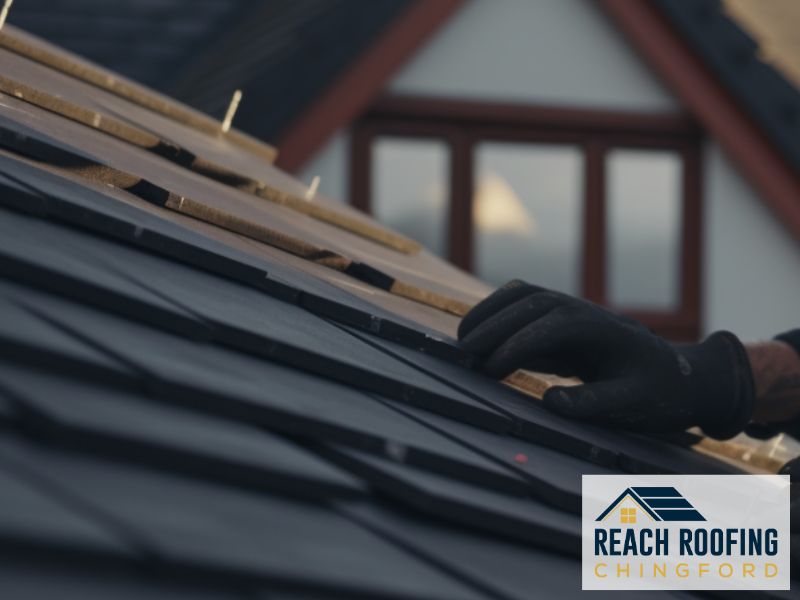
Slate tiles themselves are produced by hand-splitting quarried slate into uniform rectangles, squares or polygons which can then be installed on roof decking. The unique layered structure of slate tiles enables them to effectively shed water and protect buildings from exterior damage.
Traditional slate roofing has played an important role in UK architectural history. During the 19th century, slate quarrying and export became a major UK industry centered around key regions in Wales, Lancashire and Cumberland. Welsh slate in particular remains highly renowned and sought-after globally.
Today, slate roofs are valued for their durability, natural aesthetics and sustainable qualities. Homeowners, builders and architects choose slate tiles when seeking roofs that require little maintenance yet retain their structural integrity and visual appeal over extended time periods.
Advantages of Slate Roofs
Slate roofs provide a number of compelling advantages that explain their sustained popularity across the UK:
- Durability - Slate is an extremely durable material, resulting in roof lifetimes exceeding 100 years. The dense mineral composition repels water while resisting damage from wind, rain, snow and sunlight. Slate won't rot, burn or be susceptible to insect damage.
- Aesthetic Beauty - Slate possesses a uniquely attractive, layered appearance. Natural slate variations in veining, cleft texture and modular sizing result in depth and visual character difficult to replicate with artificial materials.
- Sustainability - Slate is inherently environmentally friendly. Quarrying slate has relatively low ecological impact, while slate tiles don't require chemical treatments or coatings to extend their longevity. Slate tiles can be recycled and reused multiple times after roof replacement occurs. Minimal maintenance needs also enhance the material's sustainability profile.
For these reasons, architects, homeowners and builders continue to utilize slate as a premium roofing solution able to meet demanding structural requirements while delivering beautiful, sustainable protection.
Challenges Faced by Slate Roofs in the UK
While valued for many positive qualities, slate roofs face some inherent challenges - particularly given the unique climate conditions across the UK:
Weathering
- Over decades of exposure, UK weather takes a toll on any roofing material, including slate. Key issues involve the natural weathering process:
- Repeated freeze-thaw cycles can create small cracks and fissures within slate tiles.
- Driving wind and rain slowly erodes the cleavage planes between slate layers.
- Ultraviolet radiation from sunlight causes slow mineral decomposition and fading of original color tones.
- As slate tiles weather, their water shedding capacity becomes compromised, risking leakage and interior damage. Regular maintenance is required to continually assess slate condition and repair issues promptly. Neglected roofs ultimately require expensive replacement.
Cost Considerations
- Slate roofing demands notable upfront expenditure:
- Slate tile costs are higher than materials like asphalt shingles.
- Multi-layer installation processes require skilled tradespeople charging premium rates.
- Intricate architectural elements (e.g. valleys, dormers) further drive up initial price.
- Over decades of service, the cumulative costs of professional inspections, routine maintenance (e.g re-fastening, damaged slate replacement) and eventual full replacement represent major considerations.
Weight and Structural Factors
- Fully installed, slate roofing exerts substantial dead weight load stresses onto buildings.
- Slate tiles average 6-10 lbs per square foot installed weight.
- Buildings must be engineered and constructed to support this static load over slate's long service life.
- Many older UK buildings with timber rafters lack sufficient structural margins for dense slate roofing. Additional reinforcement is often mandated, increasing project scope, complexity and cost.
Limited Color Options
- Natural slate possesses an inherently limited color palette centered around various shades of blue-grey.
- Architects, homeowners lack the freedom to select vibrant or diverse hues possible with alternatives like clay tiles.
- Color fading due to weathering further narrows available options as roofing ages.
- Creative blends of slate tile sizes, textures and geometries are often leveraged to inject visual diversity.
Common Misconceptions About Slate Roofs
Despite their longevity and capabilities, some key misbeliefs persist regarding slate roofs:
Maintenance-Free Myth
A common slate roof myth is that minimal maintenance is required after installation. In reality:
- Yearly inspections should assess for cracked, loose or missing tiles.
- Storm damage often dislodges poorly fastened slate tiles.
- Small issues left unaddressed risk escalating into costly repairs.
- Vigilant maintenance vastly extends roof lifetime at minimal expense.
While durable, slate roofs perform best with consistent, proactive stewardship focused on early issue detection.
Uniformity of Appearance
Many first-time slate owners expect their roof's appearance to remain uniform over decades. In reality:
- Slate is a natural material with inherent mineral variations that manifest upon weathering.
- Differential weathering can create visual patches and color blending as roofing ages.
- Owners should embrace the organic, evolving patina slate acquires rather than expect permanence of original appearance.
Proper oversight accepts and plans for slate's changing visual character.
Frequently Asked Questions About Slate Roofs
Can slate roofs withstand heavy snowfall?
Yes - The combination of slate's durability, steep pitch and slippery surface composition enable UK slate roofs to reliably shed heavy snow accumulations. Homeowners should still:
- Inspect roofs after heavy snowstorms for any damage
- Use snow rakes to safely remove overhanging accumulations along eaves
- Install slate-cut copper snow fences along vulnerable roof edges
When properly installed and maintained, slate roofs stand up to the UK's most extreme winter conditions.
How often should slate roofs be inspected?
Industry associations recommend inspecting slate roofs at least yearly. Factors warranting more frequent inspection include:
- Roof pitch below 30 degrees
- Presence of overhead trees (risk of debris accumulation)
- Complex roof geometry
- Advanced age of roof and demonstrated weathering
- After major wind/rainstorms
Annual inspections enable early identification of any issues, preventing costly water damage from neglected problems.
Are slate roofs environmentally friendly?
Yes - Slate possesses inherent properties that make it an ecologically wise roofing choice:
- Slate quarrying has relatively low long-term environmental impact
- No tree harvesting or plastic/bitumen materials required
- Extreme longevity means fewer replacement cycles over time
- Tiles can be recycled and reused indefinitely
- Needs no chemical treatments to augment durability
When sourced responsibly, slate roofing's sustainability credentials are difficult for other roofing products to match.
What is the average lifespan of a slate roof?
Properly installed and maintained slate roofs can last 100+ years. Factors extending roof lifespan include:
- Selecting high-quality slate grade and minimum thickness
- Using corrosion-resistant fasteners
- Annual inspections to identify issues early
- Proactive maintenance and repair of vulnerabilities
- Avoiding roof traffic and vegetation encroachment
With appropriate stewardship, slate roofs provide centuries of protection, making them a wise investment in enduring architectural beauty.
Slate roofs offer unmatched longevity and aesthetic appeal, making them a top choice for homeowners seeking quality roofing solutions from Reach Roofing Chingford.
Thanks for reading our post, feel free to check out our other services:
- Chimney Repairs
- Commercial Roofing
- Flat Roofing
- Guttering, Soffits and Fascias
- Lead Roofing & Leadwork
- Pitched Roofing
- Roof Repairs
- Roof Replacement & New Roofs
- Skylights & Roof Windows
- Slate Roofing
Flat roofs are a popular architectural feature in the UK, owing to the country's temperate and often rainy climate. When properly installed and maintained, flat roofs provide durable, weather-resistant coverage. They are also easier to inspect and repair than complex multi-angle roof structures. The most common materials used for flat roofs in the UK include:
Felt Roofing
- Traditional bitumen felt has been the most popular flat roofing material in the UK for decades. Felt is comprised of sheets coated in bitumen - an oil-based waterproofing material.
- Felt is relatively inexpensive and simple to work with, making do-it-yourself installation achievable. It also allows for easy repairs, as sections can be replaced.
- Downsides include a limited lifespan of 10-25 years. Additionally, complex installation is needed to properly seal seams and flashings. Regular maintenance is vital to avoid leaks.
EPDM
- EPDM (ethylene propylene diene monomer) is a type of synthetic rubber that has grown in popularity for UK flat roofs. It offers extreme durability and weather protection.
- As a single-piece membrane, EPDM has no seams that could lead to leaks. It easily conforms around roof protrusions like vents and skylights.
- Professional installation is recommended, given the large single-sheet that must be properly positioned. But once in place, EPDM requires almost no maintenance.
GRP
- GRP (glass reinforced plastic) provides excellent leak protection. It is a composite of polyester resin reinforced by a fiberglass matrix.
- With proper installation, GRP can last over 50 years. Aesthetic customization like adding decorative stones is also an option.
- Downsides include high material and installation costs. Being a rigid structure, any damage is more complex to repair.
Single-Ply Membrane
- Single-ply membranes are growing in popularity due to effective waterproofing, durability, and ease of installation and repair.
- Materials like PVC and TPO can be custom-fit to a roof with heat welding to create seamless barriers to moisture. Up to 30 year material warranties are common.
- Drawbacks include vulnerability to chemicals, flames, falling debris. UV exposure requires placement of a protective surfacing layer. Environmental concerns related to production exist as well.
When selecting a flat roof material, the following factors should shape your decision:
Climate Considerations
- Chilly UK winters can limit material effectiveness if not designed for low temperatures. Snow accumulation capacity is also vital.
- UK locations like Scotland and Northern England experience more inclement weather than southern regions. Material durability is even more essential.
- Rainfall averages also affect choices. Steep-surfaced slate or high-performance membranes provide optimal protection.
Cost Considerations
- Short term cost should not be the only consideration. While options like felt shingles are cheaper up-front, the material will require replacing more frequently.
- Investment in a quality EPDM or single-ply system often pays dividends after 20+ years of reliable service with minimal inspection or repairs required.
- Professional installation further adds cost but helps guarantee proper positioning for maximum product lifespan.
Installation Complexity
- Felt shingles allow for DIY installation. But improperly positioned seams and flashing causes leaks over time.
- EPDM's single sheet takes skill to maneuver into place - professional crews have this specialized knowledge.
- For intermediate DIYers, GRP can offer a middle ground in complexity and application mastery required.
Maintenance and Lifespan
Regular inspections and cleaning are important for any flat roof:
- Traditional bitumen felt requires vigilant checking for seal deterioration. Any breaches must be patched immediately to prevent water ingress.
- EPDM has very low maintenance requirements thanks to its no seam, single sheet construction. Lifespan of 50+ years is common.
- GRP can last 30-50+ years with limited maintenance aside from cleaning debris and visual inspections. Cracks or damage necessitate a professional patch repair.
- Single ply systems demand professional installation but offer long warranties due to their durability. Annual cleaning and inspections are advisable nonetheless.
Frequently Asked Questions
Which flat roof material is the most cost-effective?
While bitumen felt is the cheapest material upfront, its shorter lifespan means multiple replacements compared to longer-lasting options like EPDM and GRP that maintain weather protection for decades. When accounting for lifetime costs, EPDM provides effective waterproofing at greater value.
How often should flat roofs be inspected?
Industry guidelines advise inspecting flat roofs twice per year - in spring and fall. This allows you to clean winter debris ahead of rainy seasons, check for deterioration, identify potential leaks before they worsen, and make any necessary repairs.
Can I install a flat roof myself, or should I hire a professional?
Basic materials like bitumen felt sheets offer novice DIYers an achievable weekend project with proper planning. But for roofing systems that utilize single sheet membranes or liquid resins that require seamless application, professional installation expertise is advisable.
What is the environmental impact of different flat roof materials?
Sustainable flat roof options include solar-reflective membranes, recycled rubber EPDM sheets, and fully recyclable PVC sheets. Composite shingles made from recycled plastic and rubber also provide eco-friendly roofing with extreme hail and fire resistance.
Are there any government regulations for flat roof materials in the UK?
UK Building Regulations Section C stipulates standards for external building envelopes, including roof construction to meet minimum weatherproofing guidelines. The National House Building Council also audits roof installations to ensure proper seals, drainage, vents and other protections from moisture damage.
In conclusion, while felt remains the most common flat roofing in the UK today due to familiarity and cost, advanced materials like EPDM and GRP offer superior durability and weather resistance. Government guidelines, regional climate, installation complexity, and lifetime value should all factor into your flat roof purchase. With regular cleaning and semi-annual inspections, quality flat roofing materials provide 50+ years of reliable leak-proof coverage.
EPDM, known for its durability and cost-effectiveness, is a common flat roof material, one that roofer Chingford can expertly install
Thanks for reading our post, feel free to check out our other services:
- Chimney Repairs
- Commercial Roofing
- Flat Roofing
- Guttering, Soffits and Fascias
- Lead Roofing & Leadwork
- Pitched Roofing
- Roof Repairs
- Roof Replacement & New Roofs
- Skylights & Roof Windows
- Slate Roofing
A pitched roof refers to a sloped roof typically found on residential and commercial buildings. This style of roof has a framing structure that provides an angled pitch, allowing precipitation like rain and snow to easily drain off into a gutter system. Pitched roofs have long been the preferred roof style across the UK due to their aesthetic appeal and weather-resistant properties.
When selecting a roof for a home or building, it is crucial to choose an option well-suited to deal with the climate. The UK experiences high rainfall and strong winds, so roofs must provide durable protection from these elements. A pitched roof offers distinct advantages over flat roof alternatives when it comes to design, insulation, ventilation, durability, and maintenance.
Aesthetic Appeal
One of the top reasons homeowners opt for pitched roofs is their versatility and attractive appearance. This style blends seamlessly with classic British architecture as well as modern home designs.
Architectural Versatility
- Pitched roofs complement various architectural styles beautifully, from traditional Tudor facades to contemporary square homes.
- This roof design adds height and dimension, combining well with gabled details and dormer windows.
- Pitched roofs allow architects creative freedom in terms of shapes like hipped or skillion forms.
Enhanced Curb Appeal
- The sloped silhouette and proportions of a pitched roof make an eye-catching statement in neighborhoods.
- This distinctive roofline has a quaint yet cohesive look compared to flat roofs.
- Materials like slate or clay tiles in gray, terracotta or black hues further boost aesthetic value.
Weather Resilience
Given the UK's wet climate and occasional extreme weather, pitched roofs offer superior protection compared to flat roofs.
Efficient Water Drainage
- The angled slope allows water, snow and debris to easily run off into gutters.
- This prevents moisture accumulating and reduces risk of leaks plus structural damage.
- Large amounts of precipitation are quickly shed off pitched surfaces.
Snow Load Distribution
- The slope enables snow accumulation to safely slide off to the roof edge.
- The pitch avoids excessive snow piling up in one spot, preventing heavy loads.
- Weight distribution is even, reducing chance of roofs caving in.
Ventilation & Insulation
In addition to their weather-resistant qualities, pitched roofs also provide better air flow and insulation efficiency.

Improved Ventilation
- The gap between roof framing allows air circulation from the eave area to the ridge.
- This ventilation lets moisture escape, inhibiting condensation & mold issues.
Energy Efficiency
- The angled structure suits thicker insulation layers better than flat roofs.
- Materials like mineral wool trap air pockets for better insulation against heat/cold.
- Reduced energy consumption cuts costs & environmental impact.
Long-Term Durability
Investing in a pitched roof leads to long-term savings as this design lasts for decades with lower maintenance needs.
Material Longevity
Common durable roofing materials used include:
- Clay Tiles: Beautiful traditional option lasting over 100 years. Waterproof and weatherproof.
- Slate: Natural stone slabs can withstand extreme rain, wind and snow for 70-150 years.
- Concrete Tiles: Affordable concrete tiles last up to 50 years.
- Asphalt Shingles: Budget-friendly asphalt shingles have a lifespan of 15-30 years.
- These pitched roof materials offer longer life spans than flat roofing alternatives which deteriorate faster.
Lower Maintenance
- The sloped roof surface allows debris and leaves to wash off easily in rain.
- With no flat areas, water ponds and puddles rarely accumulate.
- This cuts back on time-consuming maintenance needs.
- Monitoring and repairs are less costly than frequently reapplying seam tape or sealants to flat roofing.
Are Pitched Roofs Suitable for All Homes?
Yes, pitched roofs work on all types of homes. Key aspects that influence choice of pitch include:
- House dimensions – lower pitches suit smaller homes.
- Climate – steeper 60+ degree pitches handle heavy snow better.
- Budget – lower pitches allow smaller roof areas needing less materials.
- Personal taste - aesthetic preferences guide pitch selection.
With flexibility in slope angles, peaked roofs accommodate any residential building style.
How Do Pitched Roofs Fare in Windy Conditions?
Pitched roofs are highly wind-resistant for the following reasons:
- Aerodynamic angled shape allows wind to easily glide over the surface.
- Slope prevents uplift pressure compared to flat roofs.
- Additional structural braces can be added for extra wind-load support.
- Durable roofing materials avoid wind damage issues.
Are Solar Panels Compatible With Pitched Roofs?
Yes, pitched roofs offer ideal solar panel installation options. Key benefits include:
- Angled orientation is optimal for capturing sun exposure.
- Strong framed structure offers solid base to attach panels securely.
- Increased roof surface area accommodates more solar modules.
- Unobstructed sunlight exposure results in greater solar energy output.
Are Pitched Roofs More Expensive Than Flat Roofs?
The upfront cost of installing a pitched roof is typically higher due to increased materials, structural supports and skilled labor fitting the slope framework. However, this style leads to major long-term savings from:
✔️ Enhanced lifespans of over 5 decades minimum.
✔️ Lower annual maintenance costs.
✔️ Reduced likelihood of repairs, leaks or replacements.
✔️ Higher resale value for the property.
Over the total lifespan, pitched roofs offer substantially lower lifetime costs along with protection from damage.
What Maintenance Do Pitched Roofs Require?
Overall, pitched roofs demand less frequent repairs thanks to their water shedding abilities. But occasional maintenance helps them last for decades.
Typical pitched roof maintenance includes:
- Checking and cleaning gutters seasonally.
- Inspecting flashings around joints or protrusions for cracks.
- Re-sealing any small gaps, holes or exposed nail heads using waterproof caulk.
- Pruning overhanging tree branches.
- Power washing surface grime every 2-3 years.
- Moss removal.
Conducting preventative pitched roof maintenance saves thousands in future repairs if water seepage issues or leaks occur. Monitoring the roof post extreme weather also allows catching minor damage early.
Roofing contractor Chingford outlines the advantages of pitched roofs, including better drainage and more attic space, making them a popular choice in the UK.
Thanks for reading our post, feel free to check out our other services:
- Chimney Repairs
- Commercial Roofing
- Flat Roofing
- Guttering, Soffits and Fascias
- Lead Roofing & Leadwork
- Pitched Roofing
- Roof Repairs
- Roof Replacement & New Roofs
- Skylights & Roof Windows
- Slate Roofing
Roofs are a critical component of any building, providing vital protection from the elements. However, roof materials deteriorate over time and can become damaged. Identifying when it’s time for roof replacement is essential to prevent further issues from developing. There are several key factors that indicate a roof in the UK may need replacing.
External Signs of Roof Damage
Carefully examining the exterior of the roof is the first step in detecting potential problems. Some clear warning signs it may be time for replacement include:
- Missing or Damaged Shingles - Shingles that are cracked, broken, or blown off completely compromise the roof's integrity. Just a few missing shingles can lead to substantial leaks.
- Curling or Buckling Shingles - Occurs when shingles have aged and no longer lie flat. Curled edges allow water intrusion and eventually shingle detachment.
- Algae or Moss Growth - Indicates areas of roof damage from moisture accumulation. Can accelerate deterioration by retaining dampness.
- Sagging Roof Structure - Often signals the roof frame or rafters have weakened and can no longer sufficiently support the weight of the roofing material.
Internal Signs of Roof Damage
In addition to external red flags, key indications inside the home that strongly point to the need for roof replacement include:
- Water Stains on Ceilings - Leaks from the roof that manifest as stains on ceiling finish. Typically the first obvious interior consequence of roof trouble.
- Leaks Visible in the Attic - Seeing pools of water or daylight shining through roof boards when inspecting the attic points to breach integrity.
- Increased Energy Bills - Heat loss through a damaged roof in winter and reduced efficiency of insulation driving up energy expenditures.
- Visible Daylight Through the Roof Boards - Once roof decks become compromised, daylight can be seen shining through from the exterior indicating full thickness breaches.
Common Causes of Roof Damage in the UK
Several prevalent causes lead to roof replacement becoming necessary in the UK climate and environment:
Weather-Related Causes
- Heavy Rainfall and Flooding - The abundant rainfall in the UK can take a major toll on roofs over time, with pounding water erosion eventually causing leakage. Flooding accelerates wear.
- Snow Accumulation and Ice Dams - Long winters with heavy snow adds substantial weight to roofs. Ice dam formation also strains roofing materials.
- High Winds and Storms - Powerful wind gusts during UK storms or hurricanes inflict serious blows to roof coverings and structures. Torn off shingles or tiles is common.
Age-Related Wear and Tear
- Deterioration of Roofing Materials - All roofing products have a finite lifespan and degrade over decades until failure occurs. Signs of advanced aging indicate replacement time.
- Weakening of Structural Components - The roof's frame, rafters and sheathing also age and lose strength after many years of enduring weather elements.
Poor Installation and Maintenance
- Inadequate Ventilation - Attics need thorough ventilation to allow heat and moisture to escape. Insufficient air flow causes premature roof failures.
- Incorrect Installation - Shortcuts or sloppy work during the original roof installation often leads to eventual leakage and the need for replacement.
- Lack of Regular Inspections/Maintenance - Preventative maintenance helps maximize a roof's durability. Ignoring minor issues enables further damages.
Benefits of Timely Roof Replacement in the UK
Replacing a worn or damaged roof promptly provides multiple advantages:
- Improved Energy Efficiency - A new insulated roof significantly reduces heat loss compared to an old roof allowing for noticeably lower heating expenses in winter.
- Enhanced Structural Integrity - Reestablishing weather tightness preserves the home’s internal framework from moisture related deterioration.
- Prevention of Further Damage - Swift roof replacement curtails additional harms from ensuing such as molds, collapsed ceilings, or rotted rafters.
- Increased Property Value - An updated roof substantially boosts resale value versus attempting to sell with a visibly aged roof needing replacement.
Frequently Asked Questions about Roof Replacements in the UK
How Often Should a Roof be Inspected?
Roofs should be thoroughly inspected by a professional roofer at least every 2 years in the UK climate. This helps catch small issues before they escalate into major damages requiring full replacement.
What are the Costs Associated with Roof Replacement?
Costs range dramatically based on the roof’s size/pitch, accessibility, materials and contractors. However, expect to invest £4,000-£8,000 on average for a typical residential roof replacement.
Can Roof Repairs be a Viable Alternative to Replacement?
If damage is minor and isolated, spot repairs may temporarily extend the roof’s serviceable life. But once broad deterioration occurs, full replacement is the only long-term solution.
Are There Government Incentives for Eco-Friendly Roofing Materials?
Yes, under the Green Homes Grant program, vouchers up to £5,000 are available to subsidize the installation of energy efficient roofing materials meeting sustainability benchmarks.
How Long Does the Roof Replacement Process Take?
After permitting, expect a total timeframe of 2-4 weeks depending on size. The actual hands-on work typically takes a crew 2-5 days working weather permitting.
What Factors Should be Considered When Selecting a Roofing Contractor?
Key considerations include licensing/certifications, years in business, warranty policies, local references/reviews, adequacy of liability insurance, and manufacturer affiliations.
Is it Possible to Replace a Roof During Any Season?
Yes, but ideal conditions are typically spring through fall when weather is mildest in the UK. Extra precautions must be taken during rainy or winter months.
Are There Any Environmentally Friendly Roofing Options Available?
Many eco-options exist like solar tiles, recycled rubber slate/shingles made from tires, natural slate/clay tiles, and insulated vegetative green roofs. Tax incentives may offset costs.
Timely roof replacement by chingford roofers can prevent costly water damage and enhance your home's energy efficiency and curb appeal.
Thanks for reading our post, feel free to check out our other services:
- Chimney Repairs
- Commercial Roofing
- Flat Roofing
- Guttering, Soffits and Fascias
- Lead Roofing & Leadwork
- Pitched Roofing
- Roof Repairs
- Roof Replacement & New Roofs
- Skylights & Roof Windows
- Slate Roofing
Brief Overview of Lead Roofing
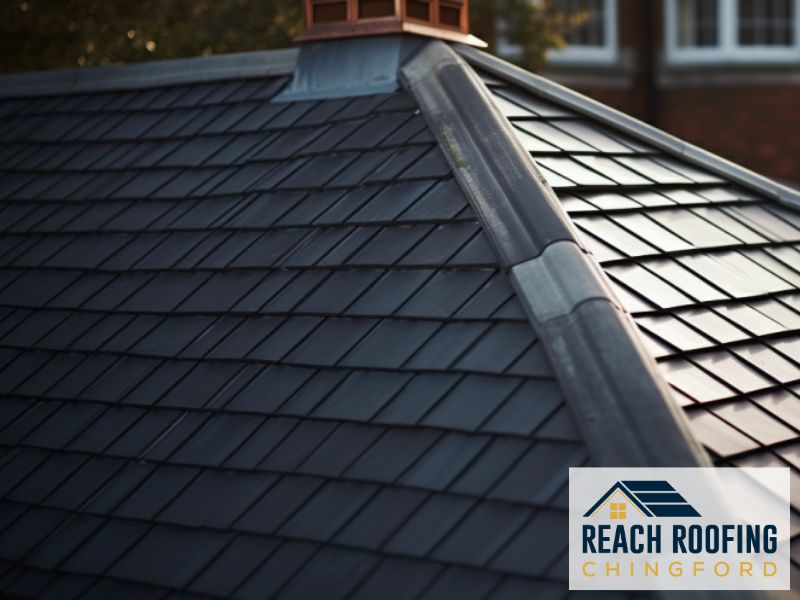
Lead roofing refers to roofing material made from lead sheets. It has been used for roofing and flashing for centuries across Europe thanks to its durability, weather resistance, aesthetic qualities, and recyclability.
In the UK context, lead has historically been used for roofing on churches, public buildings, country houses and cottages for its beauty and longevity. However, while admired for these virtues, lead also carries environmental issues, high costs, maintenance requirements and theft risks.
Roofers in Chingford discuss the advantages and disadvantages of lead roofing, noting its durability and environmental considerations.
This article will analyze the pros and cons of using lead roofing in the UK today, weighing up considerations around:
- Durability and lifespan
- Weather resistance
- Aesthetics
- Environmental impact
- Cost comparisons
- Maintenance needs
- Security against theft
Thoughtful evaluation of these factors can determine if lead roofing is the right choice based on your budget, priorities and building type.
Advantages of Lead Roofing in the UK
Durability and Longevity
One of the main benefits of lead as a roofing material is its exceptional durability and potential for longevity. Key advantages are:
Resistance to Corrosion
Lead has a high resistance to corrosion and oxidization from exposure to water and weather over time. Unlike other metals, lead forms an outer layer of protective patina as it oxidises, preventing deeper damage to the roof. This gives it a remarkably long lifespan.
Lifespan Comparisons with Other Roofing Materials
- Compared to cheaper materials like asphalt shingles (average 20 year lifespan), lead can last from 70-100+ years with proper maintenance and repairs.
- Slate and tile roofs (50-70+ year lifespan) can approach lead's durability.
- However, lead significantly outlasts most metal roofs (30-50 years). Its longevity rivals expensive copper roofs (70-100+ years).
This extreme longevity offsets higher initial costs over decades of use, offering great return on investment. It's what makes lead roofing a fixture on heritage buildings across Britain needing roofs to weather the ages.
Weather Resistance
Lead is highly impervious to water and stands up well to extreme weather conditions, making it an ideal roofing material for the wet British climate.
Waterproof Properties
- Lead is non-porous and does not absorb or retain water. This prevents leaks, mildew risks and interior damage.
- Joints in lead roofing are soldered not nailed or sealed with adhesives. This further waterproofs the structure.
Performance in Harsh Weather Conditions
Lead stands up to:
- Heavy rain, storms
- Snow, hail, freezing and ice
- High winds
- Pollution, saline conditions in coastal areas
- Sun/heat exposure causing expansion and contraction
It reliably protects buildings in all regions and climates across the UK year-round for decades, keeping interiors dry.
Aesthetic Appeal
Beyond functional advantages, lead also offers attractive visual qualities which contribute to its popularity in British architectural tradition.
Architectural Versatility
Due to its softness and malleability, lead sheets can be:
- Worked into custom decorative shapes
- Formed to fit any roofline or detail
This allows for flexible, distinctive architectural expression. The material's historical usage has created signature regional roof styles still prized today for cultural heritage preservation:
- Intricate spires, turrets and domes on churches
- Pitched gables on Tudor era buildings
- Crenellated parapets on country estates
Patina Development
Exposure to weather causes lead roofing to develop a patina - a greyish dull matte coating from oxidization. This patina is considered pleasing and enhances visual integration with stone buildings. Its variability also lends a dynamic, living quality to roofing.
Patina takes on unique aging characteristics in different environmental conditions. So UK regions have signature patina qualities, like the blue-hued roofing in coastal areas.
Disadvantages of Lead Roofing in the UK
However, using lead roofing also comes with some downsides to consider regarding environmental impact, costs, and security.
Environmental Concerns
Lead production and roofing does raise some environmental considerations:
Impact on the Ecosystem
- Lead mining and smelting to create roof sheets can contribute to deforestation, pollution, habitat destruction and more. This needs to be factored in.
- Risk of lead leaching into surrounding soil and water supplies if not managed correctly, causing environmental contamination. Proper patina development is key.
Recycling Challenges
- Energy, resource and carbon intensive to produce so recycling lead is crucial.
- Reusing old lead roofing is common but has decreased with growing safety concerns over lead contamination. Needs dedicated specialist recycling programs.
More sustainable lead sourcing and recycling initiatives are expanding in the UK to help address these impacts.
Initial Cost
Another downside to assess is lead's high initial material and installation cost compared to other common options:
Comparison with Other Roofing Materials
- Asphalt, slate, tile roofs = lowest cost options
- Copper > Lead > Zinc/Stainless Steel > Metal > Thatch > Slate/Tile
On average installing a new lead roof costs £460-£680 per m2 depending on:
- Roof size/layout complexity - economies of scale on larger spans
- Custom fabrication needs - intricacies like crenellations cost more
- Access issues adding labor expenses - height, restrictions
Installation Expenses
- Structural considerations - lead weighs approx. 25kg/m2
- Specialised leadwork skills
- Scaffolding for access
Total installation costs for an average home = £15k-30k+. Worth planning for in your budget.
Theft Risk
Unfortunately lead's high value and malleability also make it an attractive target for metal theft, an ongoing problem in the UK:
Attractiveness to Thieves
- High scrap metal resale value due to lead's market value
- Easy to subtly steal small lead flashings and meltdown
- Hard to trace or identify stolen architectural lead
- Used to metal theft from church roof stripping epidemics
Security Measures
Protecting lead roofing usually requires:
- Physical deterrents - CCTV, security lighting, roof alarms
- Community vigilance against suspicious activity
- Secure storage of lead sheets during installation/repairs
Consider theft likelihood based on:
- Building visibility
- Accessibility features - ladders, flat roofs etc.
- Region's metal theft rates
Most thefts occur on vacant buildings so vigilant monitoring is key.
The hassle and expenses of preventing lead theft should be planned for if choosing this roofing material.
Maintenance Considerations
While durable, lead roofs do require some periodic maintenance and cleaning to prolong lifespan. Plan for:
Regular Inspections
- Check for cracks, holes, loose lead flashing annually after storms.
- Assess patina changes signalling damage - white chalky patches or black corrosion.
- Repair issues promptly before water gets underneath.
Getting a professional assessment every 5-10 years ensures no problems are missed.
Cleaning and Maintenance Tips
- Wipe down surfaces with a damp cloth and gentle cleaner annually - prevents moss/lichen growth which retains moisture.
- Re-seal any joints needing resoldering to maintain waterproofing.
- Monitor and treat staining or discoloration from weathering, bird droppings etc. Hard water deposits can damage patina so need removing.
- Recommended cleaning products - non acidic options like sugar soap that will not react with lead. Never use bleach or chemicals.
With attentive care, lead roofs will last for generations.
FAQ Section
Here are answers to some frequently asked questions about lead roofing to help with decision making:
Is lead roofing environmentally friendly?
The environmental pros and cons of lead roofing include:
Exploring the Environmental Impact
- Lead production can contribute to habitat destruction, pollution, carbon emissions.
- But properly maintained lead roofs don’t contaminate surroundings. Patinas prevent lead leaching.
- The need for periodic lead roof replacement consumes fewer new resources than shorter lasting materials.
- Recycling programs increasingly reuse old lead sheets.
Sustainable Practices
- Using recycled lead, supporting responsible UK suppliers with ethical mining processes, and recycling through roof life helps minimize impact.
- Long lifespan offsets higher embedded carbon relative to other roofing.
So while not fully eco-friendly, lead can be an environmentally sound roofing investment in the UK if responsibly sourced and maintained.
How does lead roofing compare to other materials in terms of cost?
Initial Costs vs. Long Term Value
- Cheaper upfront than lead: asphalt, slate, tile, sheet metal
- But lead substantially outlasts these options, recouping costs over its 70-100+ year lifespan.
Financial Considerations
- Consider lead roofing as a legacy investment for longstanding buildings.
- The value lead adds aesthetically also boosts building property values.
- Requires planning for high initial roofing budget plus ongoing maintenance.
- Protection systems against theft add expenses too.
Lead makes financial sense for longevity needs despite its premium pricing. Value it as durable heritage craftsmanship.
Can lead roofing be easily repaired?
Lead’s longevity depends on prompt repairs when issues emerge:
Common Repair Issues
- Joint failures, small cracks and holes from weathering, animal damage. These must be resealed before water penetrates.
- Loss of adhesive between layers. Requires re-soldering and possibly reflashing.
- Patina deterioration signaling corrosion underneath needs assessment and fixing.
DIY vs Professional Repairs
- Minor maintenance like cleaning gutters or sealing joints can be DIY.
- But assessing issues, accessing the roof safely and intricate soldering usually requires specialist leadworkers. Their expertise preserves roof integrity and your safety.
So while issues can often be repaired easily, professional assistance is best for lasting results without risk.
What measures can be taken to prevent lead theft?
Protecting roofs from lead theft requires:
Security Systems and Deterrents
- CCTV cameras covering roof access points
- Layered physical barriers - locked roof hatches, anti-climb paints
- Infrared alarm systems or PIR sensors trigged by movement
- Gutter spikes preventing footholds for climbing
Legal Implications for Lead Theft
Penalties for metal theft in the UK include:
- Fines up to £50k + victim compensation costs
- Up to 10 years imprisonment
So invest in comprehensive security proportional to your roof's theft likelihood. And report any suspicious activity to the local police. Vigilance will help deter this frustrating issue.
Thanks for reading our post, feel free to check out our other services:
- Chimney Repairs
- Commercial Roofing
- Flat Roofing
- Guttering, Soffits and Fascias
- Lead Roofing & Leadwork
- Pitched Roofing
- Roof Repairs
- Roof Replacement & New Roofs
- Skylights & Roof Windows
- Slate Roofing
Definition of roof slope
The slope or pitch of a roof refers to the angle at which it is inclined. It is typically measured by the ratio of vertical "rise" to horizontal "run", or by the angle of inclination relative to horizontal. Properly sloping a commercial roof is important for facilitating drainage and minimizing standing water.
Importance of roof slope in commercial buildings
An optimal roof slope is crucial for commercial buildings in order to:
- Enable water runoff and prevent leaks/accumulation
- Withstand wind uplift forces
- Shed snow load in colder climates
- Allow proper ventilation
- Accommodate design elements like roof-mounted solar panels
- Adhere to any regulatory slope requirements
Brief explanation of how roof slope is measured
There are two main methods for measuring a roof's slope:
- Rise-to-Run Ratio: This involves measuring the vertical "rise" and horizontal "run" between two points on the roof in inches and expressing them as a ratio. For example, a 4:12 pitch roof rises 4 inches vertically for every 12 inches horizontally.
- Roof Slope Angle: This measures the angle of inclination relative to horizontal, using a protractor or slope finder tool. The slope is expressed in degrees.
Overview of the relevance of roof slope in the UK
The UK's temperate maritime climate with high rainfall, risk of snow in winter, and exposure to wind storms means commercial roof slope takes on heightened relevance. Proper slope facilitates drainage, while still allowing solar integration, ventilation, and aesthetic design freedom. Compliance with regulations like UK Building Regulations for rainwater disposal is also a factor.
Factors Influencing Roof Slope in the UK
Climate Considerations
- Impact of different weather conditions on roof slope
- Steeper slopes generally required for snow shedding
- Enhanced drainage capacity needed for heavy rainfall
- Withstand uplift winds during storms
- Specific challenges posed by the UK climate
- Temperate but highly variable climate
- Frequent high winds and rainfall
- Winter snow/ice potential
Building Design
- Influence of architectural design on roof slope
- Aesthetic preferences for flat or sloped roofs
- Integration with other design elements like rooftop solar
- Variations in slope based on building purpose (e.g., warehouses, offices)
- Flat roofs more practical for large square footage
- Pitched roofs allow additional living spaces
Regulatory Requirements
- Building codes and regulations affecting roof slope in the UK
- UK Building Regulations Part H - covers drainage and waste disposal
- Local authority planning permissions
- Compliance standards for commercial roofs
- BS 6229:2018 - sets out code of practice for flat roofing
- Accounting for snow load in high-altitude areas
Common Roof Slopes for Commercial Buildings
Flat Roofs
- Explanation of flat roof designs
- Minimal slope for drainage (1°-3°)
- Built up flat roofing (BUR) system
- Single ply membranes like PVC
- Pros and cons of flat roofs in the commercial sector
- Pros
- Increased usable rooftop space
- Easier to construct and install rooftop HVAC
- Often lower construction costs
- Cons
- Drainage challenges if not properly sloped
- Vulnerable to standing water and ponding
- Can experience membrane failure over time
- Pros
Pitched Roofs
- Characteristics of pitched roofs
- Sloped at 10° or greater
- Framed with rafters and beams
- Finished with shingles, slate, metal panels etc.
- Suitable applications for pitched roofs in commercial settings
- Smaller buildings like retail shops
- Allow additional attic space utilization
Mansard Roofs
- Overview of Mansard roof design
- Combination dual-pitched roof with upper steep slope and lower gentle slope
- Offers aesthetic benefits of pitched roof with practical flat roof space
- Commercial applications and considerations
- Well suited to hotels, restaurants, and retail
- Can accommodate additional rooftop structures
- More complex architectural considerations
Measuring and Calculating Roof Slope
Roof Pitch vs. Roof Slope
Differentiating between pitch and slope
- Roof pitch - Ratio of rise to run (e.g. 6:12)
- Roof slope - Angle of inclination in degrees
Methods of Measurement
Explanation of the rise-over-run method
- Measure rise (vertical) and run (horizontal)
- Express as ratio, (e.g. x inches of rise per 12 inches of run)
- Use of slope angle and degrees
- Utilize angle finder or protractor tools
- Express as slope degrees relative to horizontal
Importance of Accurate Measurements
Impact of precise slope calculations on drainage and structural integrity
- Insufficient slope can lead to ponding, leaks, ice dams
- Overly steep pitches stresses structural framework
- Match slopes for seamless drainage and diversion
- Proper factoring of snow load
- Account for potential accumulation based on region
- Steeper pitch helps accelerate snow shedding
FAQ - Addressing Common Queries
What is the ideal slope for a commercial roof in the UK?
Discussing optimal slopes for different roofing types
- Flat roofs - 1° to 3° slope
- Pitched roofs - 10°+ slope dependent on material
- Must account for snow load at higher slopes
How does roof slope affect drainage?
Explaining the role of slope in water runoff
- Facilitates gravity-based drainage
- Avoids standing water accumulation
- Must exceed minimum criteria per regulations
Are there regulations governing commercial roof slopes?
Overview of relevant building codes and regulations
- UK Building Regulations Part H regulates drainage
- Planning permissions govern aesthetic considerations
Can the slope be modified after construction?
Discussing the feasibility and challenges of altering roof slope
- Pitch alterations require significant structural changes
- Often easier to rebuild entirely or opt for overlay
Commercial roof slope impacts drainage and aesthetic; Reach Roofing Chingford can design a roof that meets both practical and visual requirements.
Thanks for reading our post, feel free to check out our other services:
- Chimney Repairs
- Commercial Roofing
- Flat Roofing
- Guttering, Soffits and Fascias
- Lead Roofing & Leadwork
- Pitched Roofing
- Roof Repairs
- Roof Replacement & New Roofs
- Skylights & Roof Windows
- Slate Roofing
Lead has been used in roofing for centuries due to its durability, flexibility, and waterproofing abilities. Here is an in-depth look at the properties and applications of lead when used in British roofing.
Properties of Lead in Roofing
Durability
- Resistance to corrosion - Lead does not rust or corrode easily, allowing it to withstand decades of exposure to weather elements. This gives lead roofs exceptionally long lifespans.
- Longevity in various weather conditions - Lead holds up well to rain, snow, wind, and sun exposure. It expands and contracts minimally with temperature fluctuations, retaining its weatherproofing abilities.
Flexibility
- Ability to adapt to different roof shapes - Lead sheets can be bent and molded into place during installation, conforming smoothly to curved or angled roofing structures.
- Ease of installation compared to rigid materials - The pliable nature of lead makes covering awkward roof geometries simple for contractors. Less custom fabrication is required compared to using inflexible materials.
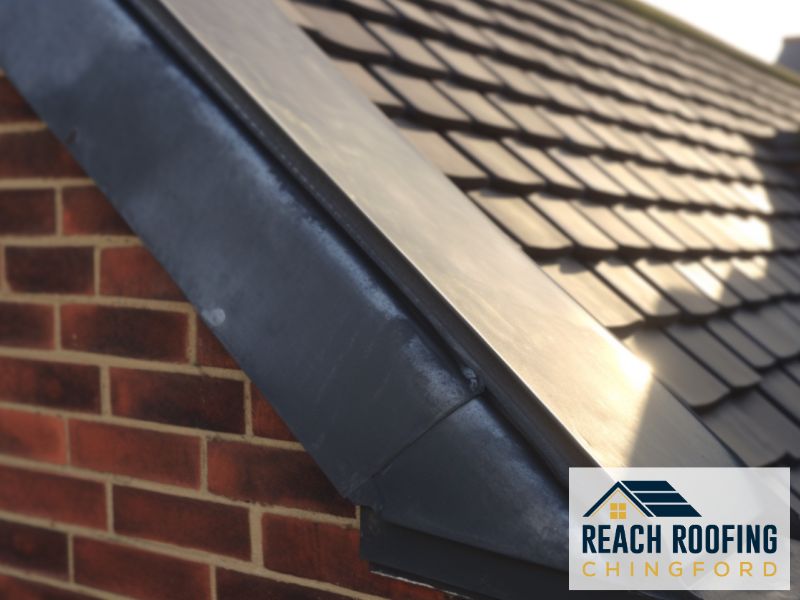
Advantages of Using Lead in Roofing
Waterproofing
- Lead as an effective water barrier - Overlapped lead sheets prevent rainwater penetration, keeping interiors dry. Lead resists corrosion and degradation from water, maintaining watertightness for extended periods.
- Prevention of water damage to the underlying structure - Lead shields roof components from moisture infiltration, protecting wood, plaster, and masonry from expensive water damage over time. Leaks are also minimized.
Thermal Conductivity
- Lead's role in regulating temperature - Lead absorbs the sun's heat in summer while insulating buildings in winter. This thermal mass effect enhances energy efficiency in buildings.
- Energy efficiency and insulation benefits - Properly underlaid lead reflects interior heat back inwards during cold weather. This reduces heating costs compared to poorly-insulated roofing systems.
Aesthetic Appeal
- The distinctive look of lead roofing - Lead develops a noble, gray patina over time that lends antique charm to traditional British architecture. Its soft metallic sheen is unmatched by modern roofing products.
- Aging gracefully over time - Unlike other materials that degrade, lead retains its functionality while taking on a dignified appearance through decades of weathering. It adds character to aged structures.
Environmental Impact and Sustainability
Recycling
- Lead as a recyclable material - All lead roofing scrap can be fully recycled into new lead products. This closes the material loop, saving energy and resources.
- Contribution to eco-friendly roofing practices - Using recycled lead, which has very high reuse rates, promotes green and sustainable construction standards in the UK roofing trade.
Energy Efficiency
- Lower energy consumption in lead production - Secondary lead created via recycling requires significantly less energy to manufacture than smelting virgin lead ore. This lightens lead's carbon footprint.
- Reduced environmental impact compared to alternative materials - Studies show lead roofing to have better lifecycle analysis results than materials such as steel or plastic across energy use, pollution, and other eco-impact criteria.
Frequently Asked Questions
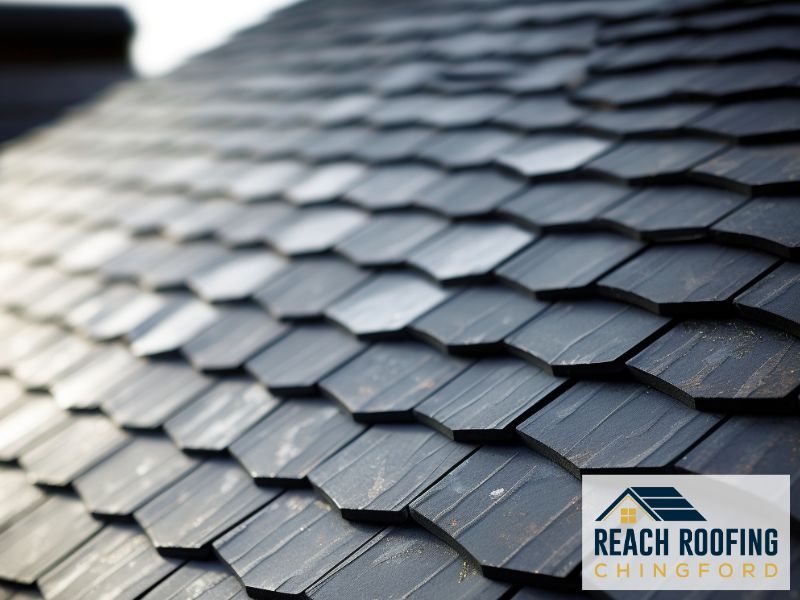
Is lead safe for roofing?
- Discussion on lead safety standards - Lead is regulated under UK Control of Lead at Work guidelines and is considered safe when properly handled by certified contractors wearing appropriate PPE precautions. Certain lead compounds are more hazardous and are restricted.
- Proper handling and installation practices - As long as crews use common sense practices like washing hands before eating, lead can be worked with safely during roof fabrication and installation. Standard construction site precautions apply when working with lead sheets and solder.
How does lead compare to other roofing materials?
- Comparative analysis with common roofing materials - Lead generally lasts longer than cheaper alternatives like asphalt, steel, copper, aluminum or zinc when utilized in roofing applications, giving it a superior lifespan. It also requires less maintenance over time.
- Pros and cons of lead in comparison - High upfront cost is the main detriment of lead roofing. However, this expense pays off over decades of near zero maintenance requirements as lead endures while other materials need frequent replacement and refinishing to achieve the same longevity.
Can lead be recycled, and is it environmentally friendly?
- Insights into lead recycling processes - Lead is the most recycled commercial metal globally. In the UK over 80% of lead-based products are produced via secondary lead smelting of recycled content. This saves substantial amounts of energy and natural resources while diverting lead waste from landfills.
- Environmental benefits of using recycled lead in roofing - Studies verify that utilizing recycled lead, especially in durable long-life applications like roofing, is an ecologically-sound practice that reduces lead's environmental impact across numerous sustainability metrics. Specifying recycled lead promotes greener industry standards.
Commercial roof slope impacts drainage and aesthetic; Reach Roofing Chingford can design a roof that meets both practical and visual requirements.
Thanks for reading our post, feel free to check out our other services:
- Chimney Repairs
- Commercial Roofing
- Flat Roofing
- Guttering, Soffits and Fascias
- Lead Roofing & Leadwork
- Pitched Roofing
- Roof Repairs
- Roof Replacement & New Roofs
- Skylights & Roof Windows
- Slate Roofing