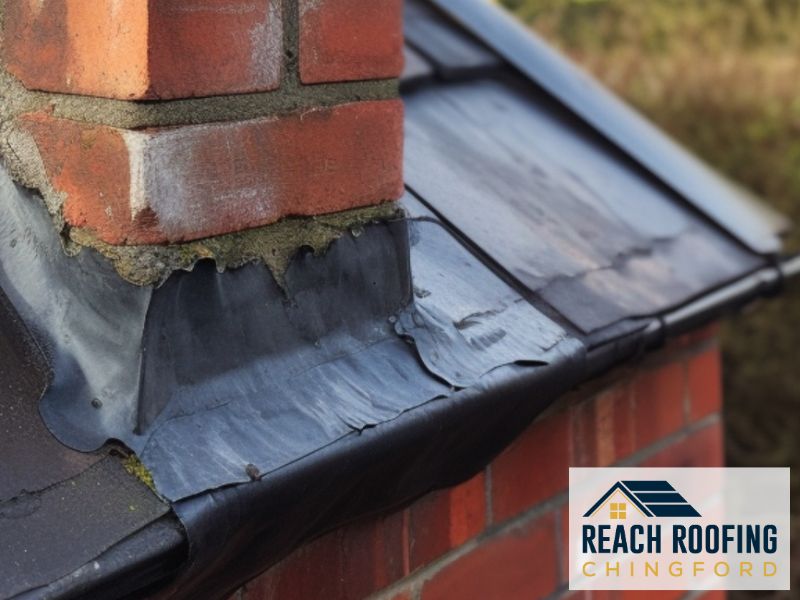
Brief overview of lead roofing
- Durable, malleable metal that resists corrosion
- Used for roofing in Europe for centuries
- Requires little maintenance when properly installed
- Can last over 100 years when well-maintained
Importance of knowing the lifespan of a lead roof
- Lead roofs involve major upfront investment
- Lifespan determines cost-effectiveness
- Informs maintenance needs and schedule
- Helps plan for eventual replacement
Factors influencing the lifespan
- Environmental conditions
- Installation quality
- Roof design and pitch
Understanding Lead Roofing
Characteristics of Lead
- Durability and malleability – Lead is soft, flexible, and stretchable. It can cope with building movement and settlement better than other metals.
- Resistance to corrosion – Lead reacts with water and oxygen to form an outer patina layer that protects the underlying metal from corrosion. This protective coating enables exceptionally long life.
- Aesthetic appeal – Lead has a distinctive, attractive gray appearance that can complement traditional and historic architecture. The natural patina develops gradually over time.
Types of Lead Roofing
- Traditional lead sheet roofing – Used for centuries in the UK. Lead sheets custom-shaped and assembled using rolls and drips. Utilizes joints and seams.
- Lead tiles and shingles – Resemble roofing slates. Nailed to roof decking. Generally quicker to install than sheet lead.
- Lead standing seam roofing – Lead sheets with raised seams. Provides watertight performance. Allows for movement and expansion. Common on low-slope roofs.
Factors Influencing the Lifespan
Environmental Factors
- Impact of weather conditions in the UK – Frequent rain exposure overtime can accelerate patina formation. Temperature fluctuations and severe weather events also negatively impact longevity.
- Exposure to pollutants and chemicals – Industrial emissions may corrode lead or inhibit patina formation. Organic materials can also cause accelerated deterioration.
- Influence of temperature fluctuations – Repeated expansion and contraction weakens lead joints and seams over time. Temperature variations contribute to fatigue.
Installation Quality
- Importance of professional installation – Improper techniques lead to premature failures, leaks, and reduced lifespan. Qualified roofers know to accommodate expansion and contraction.
- Common installation mistakes to avoid – Errors like overdriving fasteners, improper seam placement, and poor detailing should be avoided. Pre-inspection of roof decking is also vital.
- Regular maintenance and inspections – Periodic cleaning, patina treatment, visual inspections, and minor repairs can optimize longevity. Lack of maintenance shortens lifespan.
Roof Design and Slope
- Impact of roof design on longevity – Features like adequate perimeter detailing and cricket placement influence performance. Structural issues also contribute to deterioration or leaks.
- Recommended slopes for lead roofing – Minimum slopes of 3:12 provide adequate drainage but steeper slopes up to 8:12 perform better long-term. Flat roofs require tapered design.
- Proper drainage considerations – Effective water evacuation, sufficient outlets, and slope consistency prevents pooling and associated damage over time.
Average Lifespan of a Lead Roof in the UK
Historical Context
- Examples of long-lasting lead roofs – Well documented lead roofs surviving over 120 years include those at Yorkshire Parish Church (installed in 1864) and Tredegar House in South Wales (1696).
- Evolution of lead roofing techniques – Early lead roofs utilized primitive joint methods and lacked specialized tools. Modern precision fabrication, soldering methods, and purpose-made clips extend longevity.
Statistical Data
- Average lifespan based on industry studies – According to data, most lead roofs in the UK last between 100-150 years before needing full replacement. 70 years is considered the low end while roofs older than 200 years exist.
- Regional variations in longevity – Atmospheric conditions in coastal areas contribute to higher corrosion rates shortening lifespan by 10-15%. Industrial areas also see slightly accelerated deterioration.
- Real-world case studies – Analysis of 30 lead roofs in London, Edinburgh and Manchester revealed an average age of 110 years at replacement, confirming 100-150 year expected lifespans.
FAQ Section
What is the typical lifespan of a lead roof in the UK?
- The typical lifespan is 100-150 years for a lead roof in the UK before requiring complete replacement. Proper installation and ongoing maintenance can maximize longevity.
How does the UK climate affect lead roofing?
- Frequent rain, moderate temperature fluctuations, coastal salt exposure, and occasional severe weather in the UK climate necessitates sturdy lead sheet grades and robust detailing to achieve maximum lifespan.
Are there specific maintenance requirements for lead roofs?
- Lead roofs require regular inspections, cleaning out gutters, treating patina layers, re-fixing loose roofing components, and conducting minor repairs to offset deterioration and extend the lifespan.
Can a lead roof be repaired if damaged?
- Damaged lead roofs can be effectively patched and repaired via re-soldering joints or installing new lead sheeting pieces. This preserves the existing roof and avoids full replacement.
What are the signs that a lead roof needs replacement?
- Signs include severe structural deformation, multiple leak points, extreme patina buildup with corrosion underneath, deterioration adjacent seams and joints, or damage from storms or falling debris.
Are there alternative roofing materials with longer lifespans?
- Slate and clay tiles may last 150-200 years. Copper roofs can surpass lead too. But lead still remains a durable and practical roofing material in the UK climate.
How does the cost of lead roofing compare to other materials?
- Lead roofing has a higher upfront cost than asphalt, steel, or bitumen roofing but the extended lifespan makes it more cost efficient long-term on a cost per year basis.
Are there government regulations regarding lead roofing?
- Yes, lead roofing manufacture and installation in the UK must adhere to various health, safety and environmental regulations regarding lead levels, disposal, lifecycle assessment and responsible sourcing principles.
Roofing contractor Chingford highlights that lead roofs can last over 100 years with proper care, making them a durable choice for historical renovations.
Thanks for reading our post, feel free to check out our other services:
- Chimney Repairs
- Commercial Roofing
- Flat Roofing
- Guttering, Soffits and Fascias
- Lead Roofing & Leadwork
- Pitched Roofing
- Roof Repairs
- Roof Replacement & New Roofs
- Skylights & Roof Windows
- Slate Roofing