Identifying roof damage early is crucial to prevent further deterioration and costly repairs down the line. There are several common causes of roof damage in the UK climate, from storms and heavy rainfall to age and improper maintenance. Regularly inspecting your roof, both visually and for signs of water damage, can help spot issues promptly. This allows you to describe the damage accurately to an inspector or repair company.
Some clear indications that your roof needs attention include missing, curling, or blistering shingles, moss or algae growth, interior water stains or leaks, and structural weaknesses like sagging. Being able to identify and describe these specific problems will make the diagnosis and repairs much simpler. Continue reading for more details on how to thoroughly assess and describe roof damage on your UK property.
Visual Inspection
The first signs of roof damage are often visible from the exterior. Conduct visual inspections of your roof twice per year, ideally in spring and fall. This helps identify issues before the damage worsens through harsh weather conditions.
Exterior Examination
When examining the exterior roof, look for:
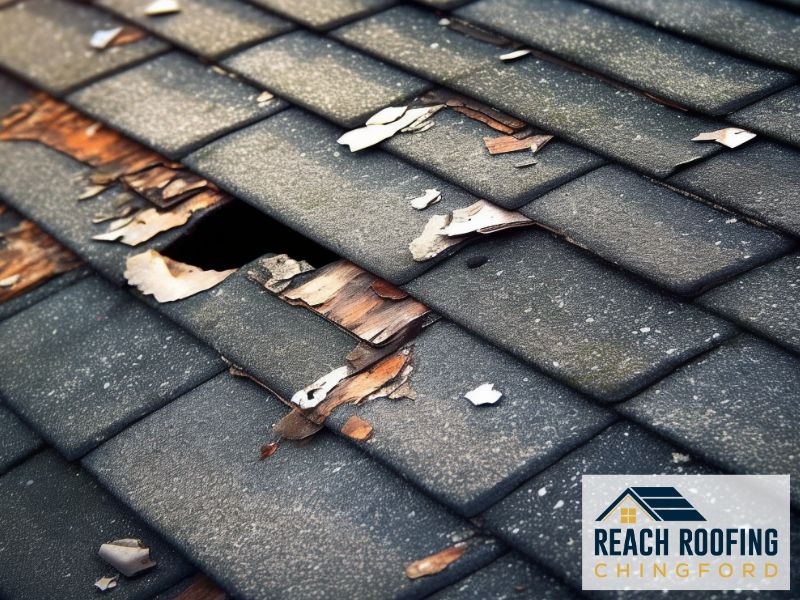
- Missing or damaged shingles: Storms may tear shingles away completely or crack them. Look for missing sections or pieces of curved shingles.
- Curling or blistering shingles: Exposure to moisture and sun often causes shingles to warp or bubble up. Spot check for smoothness.
- Moss or algae growth: In damp climates, thick green or black buildup may appear. Note any slippery growth or discoloration.
- Sagging roof deck: From the ground, use binoculars to check for obvious dips or depressions on the roof surface.
- Flashing damage: Look for cracked paint, rust spots, or gaps where flashing meets chimneys or roof joints.
Make note of the locations and extent of any visible exterior damage. Take close-up photos documenting issues as well.
Interior Inspection
Complement an external visual inspection with one inside your attic and ceilings as well. Common interior warning signs include:
- Water stains on ceilings or walls: Discolored splotches indicate a leak. Note the shape, location, and if the area feels damp.
- Sagging roof deck: Use a level to check for horizontal planes. Sagging 2 inches or more often means damaged roof structure.
- Leaks in the attic: See wet insulation, dripping water, or damaged storage items. Feel for dampness and mold as well. Document where each leak occurs.
Catching damage internally early is key to prevent rotting frames, walls, and attic contents from water exposure.
Signs of Water Damage
While visual inspections offer the first indicators, further water damage may be invisible at first. Yet unchecked moisture from leaks causes extensive structural and health issues long-term. Be alert for:
Water Stains and Discoloration
- Brownish stains often indicate wood rot from prolonged leaks.
- White powdery stains signal mineral deposits from evaporation.
- Yellow stains may mean mold or nails rusting from water exposure.
- Document the locations and extent of varied discoloration.
Mold and Mildew Growth
- Tiny black specks along rafters or corners point to mold colonies.
- Fluffy white or gray buildup signals mildew infestation.
- Take photos and note locations to show repair crews.
- If you have respiratory issues, consider hiring mold testing services.
Water Pooling
- Flat roofing materials like rubber or tar often bubble or dip if compromised.
- Standing puddles or cracks with water leakage mean improper drainage.
- Measure and describe flow rate and frequency.
- Have drains snaked to clear expected blockages as well.
Pinpointing areas affected by moisture ensures that crews can adequately dry out and repair all identified damage.
Structural Assessment
If visual examinations reveal shingles missing in patches or sections of visible sagging, further structural damage is likely. Two important areas to assess closely include:
- Use a ladder at the peak to gauge sagging spots across ridgelines. Compare to level planes.
- Push along the length of each sagging area to estimate flexibility.
- Severe sagging shows failed rafters or decking buildup issues.
- Note whether sagging occurs on one or multiple roof sides.
Damaged Flashing
- Flashing seals joints vulnerable to water infiltration. Signs of deterioration allow leaks.
- Rust spots along flashing indicate corrosion from moisture exposure.
- Gaps where flashing meets chimneys or vents can cause interior damage.
- Use a gauge to measure any separated seams or peeling from surfaces.
If structural instability allows sagging more than 2-3 inches deep or multiple signs of deteriorated flashing appear, consult a roofing professional. Reinforcing compromised underlying structure is critical.
Frequently Asked Questions (FAQ)
What are the common causes of roof damage in the UK?
Frequent wind, rain, and extreme temperatures take a toll on UK roofs. Most damage stems from ordinary wear as roofing materials age. Steep pitched roofs also see more stress across surfaces. Common causes include hail impacts, fallen branches, torn membrane flashing, and lack of maintenance.
How often should I inspect my roof for damage?
Ideally, conduct visual inspections from the ground twice per year - spring and fall. This helps spot damage before weather worsens it. If possible, do one annual hands-on inspection as well, when an experienced roofer can check surfaces and structure up close.
Can I repair a damaged roof myself, or do I need a professional?
Minor issues like replacing a few shingles or resealing flashing gaps you can DIY. But structural damage like sagging rafters requires roofers. They have the expertise and safety equipment to adequately assess and repair deeper issues.
What are the potential consequences of neglecting roof damage?
Ignoring signs of roof compromise allows water infiltration that can destroy framing and decking, warp walls, rot interiors, cause mold, and ruin possessions. Plus, it is unsafe if structural issues exist. Catching problems early via inspection prevents very costly repair jobs down the line.
How can I prevent future roof damage in the UK?
Regular cleaning, resealing, and inspections help, along with prompt repairs at the first sign of damage. Also use thick, durable materials rated for the UK elements when roofing. Consider preventative options like ice barrier membrane in vulnerable areas. And trim overhanging branches nearby.
Chingford roofing suggests looking for signs like missing shingles, leaks, or sagging to describe a damaged roof accurately for repair assessments.
Thanks for reading our post, feel free to check out our other services:
- Chimney Repairs
- Commercial Roofing
- Flat Roofing
- Guttering, Soffits and Fascias
- Lead Roofing & Leadwork
- Pitched Roofing
- Roof Repairs
- Roof Replacement & New Roofs
- Skylights & Roof Windows
- Slate Roofing