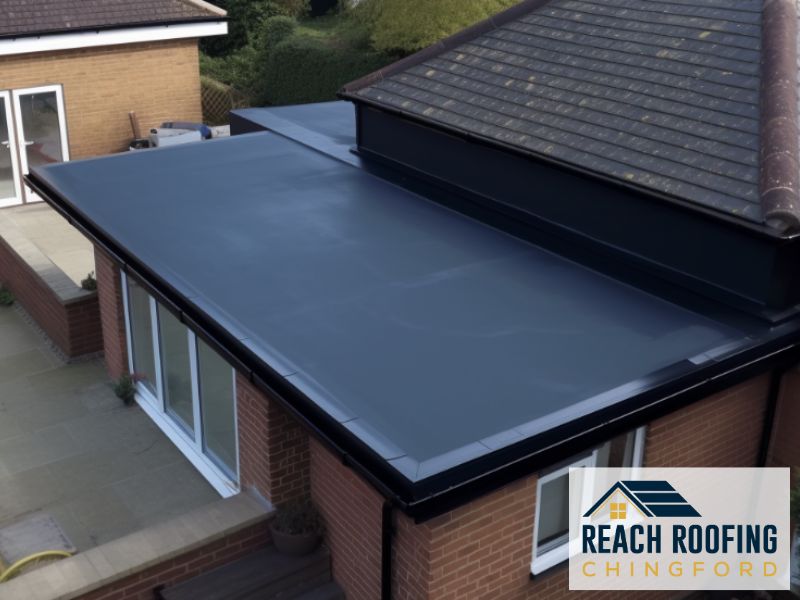
Flat roofs are commonly found on extensions, garages, dormers, commercial buildings and porches in the UK. Determining the right thickness is crucial for durability, preventing leaks, insulation, and adhering to building regulations. The thickness depends on the roofing material used, climate and weather conditions, pitch, and intended purpose.
This comprehensive guide examines the key factors in determining flat roof thickness in the UK. We’ll overview building regulations, analyze the most common roofing materials and required thicknesses, consider climate impacts, and answer frequently asked questions about maintaining optimal flat roof thickness.
Building Regulations for Flat Roofs
Building regulations set the standards for design and construction in the UK, covering critical factors like safety, energy efficiency, accessibility, sound insulation and fire safety. Relevant sections related to flat roofs include:
- Part A: Structure – impacts strength requirements
- Part C: Site preparation and resistance to contaminants and moisture – influences weatherproofing
- Part L: Conservation of fuel and power – governs insulation
Minimum Thickness Requirements
The main regulation influencing flat roof thickness is Part C, which mandates a minimum construction thickness for flat roofs of not less than 30mm. This refers to the waterproof layer itself.
However, merely meeting this bare minimum thickness is not advisable, as it will likely lead to issues with leaks, ponding water, damage and mold.
Exceptions and Variations
Exceptions to the 30mm minimum standard include:
- Non-habitable garages or detached buildings below 30 sq m
- Refurbishment projects where the existing structure inhibits meeting standards
- Installation of green roofs
In these cases, lower thicknesses may be allowable, subject to approval from building control inspectors.

Types of Flat Roof Materials and Thickness
Asphalt
Asphalt is a bituminous roofing material composed of strong waterproofing agents. For flat roofs, asphalt thickness should be 9-13mm over weatherproof decking.
Advantages:
- Durable
- Long-lasting (over 30 years)
- Can withstand ponding water
Disadvantages:
- Damaged by high heat and cold temperatures
- Heavy (adds substantial roof load)
EPDM
EPDM (ethylene propylene diene terpolymer) is a popular synthetic single-ply flat roof membrane with reliable durability and flexibility. Recommended thickness is 1.14–1.52mm, with additional layers for areas likely to experience damage.
Pros
- Extremely durable and weatherproof
- Lightweight and flexible
- Easy to install and repair
Cons:
- Vulnerable to tears or punctures
- Can experience shrinkage and contraction over time
Built-Up Roofing (BUR)
BUR systems (also called tar-and-gravel) provide exceptional protection and a long service life. They involve layers of bitumen membranes reinforced with materials like felt, topped with an aggregate surface.
For BUR flat roofs:
- Bitumen waterproofing layer thickness should be ≥ 4mm
- Total system thickness is typically 38-51mm
Benefits
- Very effective waterproofing
- Long lifespan – can last over 30 years
- Withstand ponding water and snow loads
Potential Drawbacks
- Additional roof load from multiple layers
- Installation is labor-intensive
- Vulnerable to solar heat damage
Climate Impact on Flat Roof Thickness
The UK’s temperate maritime climate means seasons exhibit variations in temperatures, rainfall, snow and wind. This affects the optimal flat roof thickness.
Cold Climate Considerations
In winter months, flat roofs must withstand heavy snow loads, ice dams, freeze-thaw cycles plus cold temperatures and winds. To cope with this:
- Increase insulation thickness to retain warmth and prevent ice buildup
- Use materials resistant to low temperatures like EPDM and asphalt
- Install protective layers over waterproofing to shield from damage
Recommended minimum total thickness for cold climates: ≥100mm
Hot Climate Factors
UK summers can reach fairly high temperatures. To handle heat and sunlight exposure:
- Use reflective coatings and surfaces
- Ensure adequate vapor barriers and ventilation
- Select materials capable of withstanding heat and UV light like EPDM
Suggested minimum for hot climates: ≥75mm

Frequently Asked Questions
What is the standard flat roof thickness in the UK?
The technical standard for flat roof waterproofing thickness is 30mm. However, additional protective and insulating layers mean total thickness typically ranges from 50mm up to 200mm.
Can I use insulation to compensate for thinner waterproofing?
Increasing insulation thickness cannot offset an inadequate waterproof barrier. Insulation protects the roof structure rather than weatherproofs it. Adequate waterproofing thickness is essential.
Are there eco-friendly flat roof options?
Yes, green roofs with soil and planted vegetation provide environmental benefits. They require specialist design and installation but are permitted to have reduced thickness. Other eco options include solar reflective paint, recycled materials and responsibly sourced suppliers.
How does roof pitch impact thickness?
Low-pitched flat roofs require greater thickness – at least 50mm. Steeper pitches enable improved drainage and weatherproofing, allowing possibility of lower thickness but still adhering to 30mm minimum standards.
What maintenance preserves thickness?
Inspect flat roofs annually and perform repairs quickly to prevent further deterioration or leaks which can damage waterproofing integrity. Control vegetation growth and clear drains and outlets regularly. Top up aggregate on BUR roofs when thinning.
Is planning permission needed to increase thickness?
If thickness changes exceed 200mm, planning permission may be required. Additionally, excess weight could require structural reinforcements. When planning flat roof projects, consult with your local authority building control department.
Roofing Chingford advises on the optimal thickness for flat roofs in the UK, considering insulation, durability, and building regulations.
Thanks for reading our post, feel free to check out our other services:
- Chimney Repairs
- Commercial Roofing
- Flat Roofing
- Guttering, Soffits and Fascias
- Lead Roofing & Leadwork
- Pitched Roofing
- Roof Repairs
- Roof Replacement & New Roofs
- Skylights & Roof Windows
- Slate Roofing