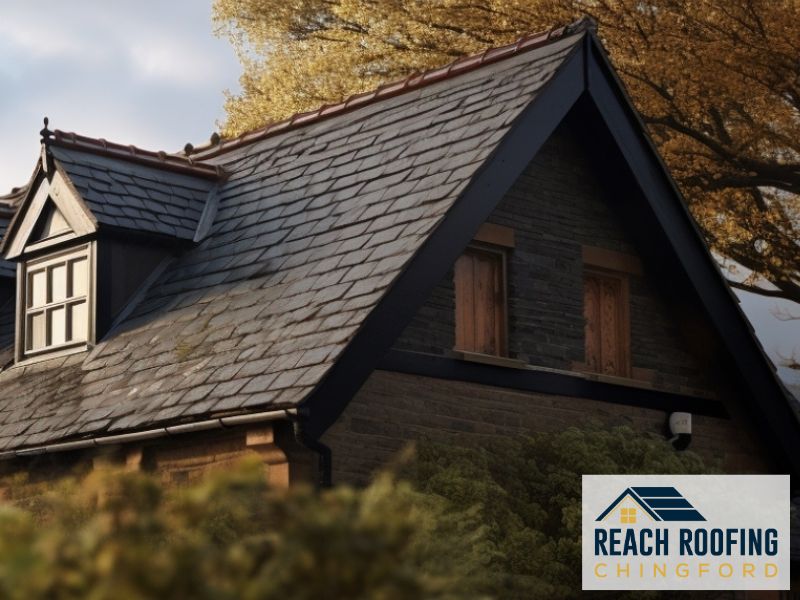
Slate and roof tiles are two of the most popular roofing materials used in the UK. When deciding on which material to use for a new roof or re-roofing project, one of the key factors that homeowners consider is cost. In general, slate roofing tends to be more expensive upfront compared to concrete or clay roof tiles. However, slate is highly durable and requires little maintenance over its lifetime, making it cost-competitive.
This article provides an in-depth comparison of the costs of using slate versus roof tiles for roofing in the UK. Factors examined include upfront installation expenses, long-term maintenance and repairs, energy efficiency implications, and variables that affect overall costs like roof size and complexity. The article also addresses common questions homeowners have about the affordability of slate roofing.
Understanding Slate Roofing
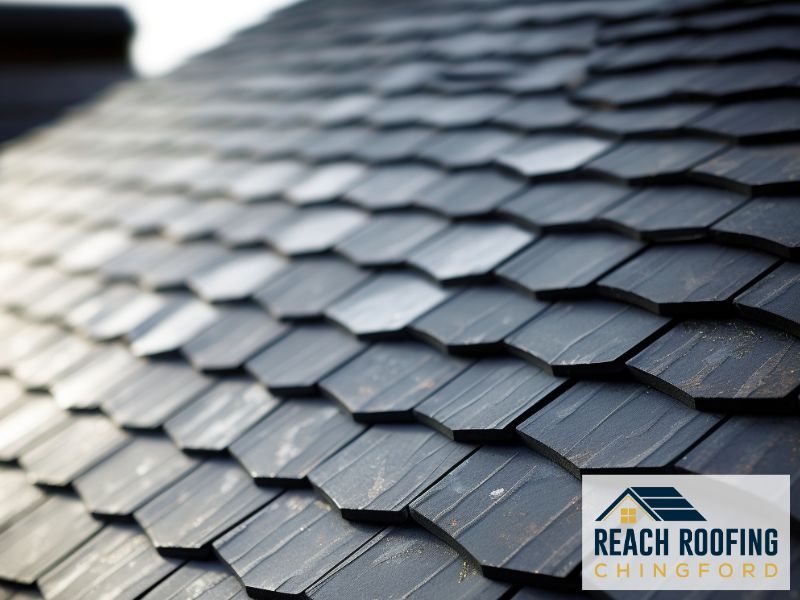
Slate roofing has been used in Europe for centuries and is known for its durability, beauty, and low maintenance needs. Some key characteristics of slate that impact its costs include:
Natural Origin
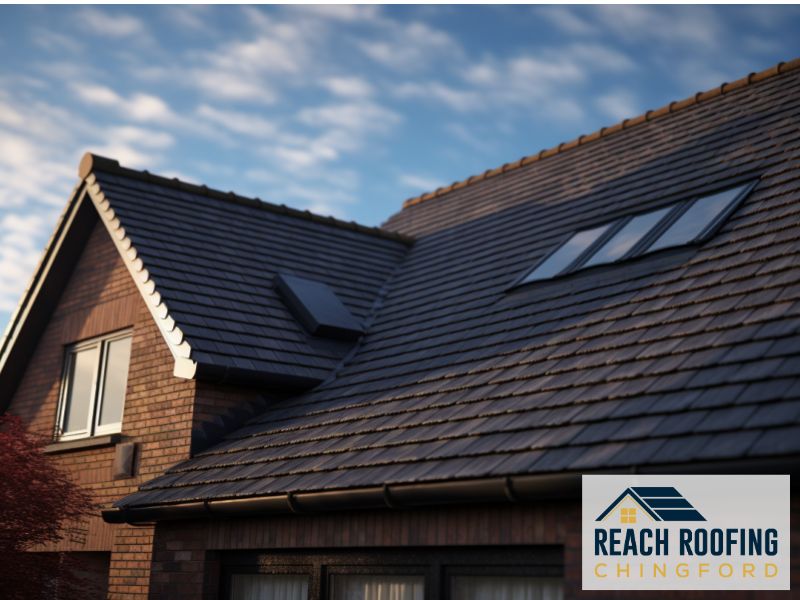
- Slate is a natural stone product quarried from slate deposits. This gives it an attractive look and feel but also makes it heavier and potentially more expensive than manufactured tiles.
Durability
- Quality slate can last over 100 years with proper installation. This extreme durability offsets some of slate’s higher initial costs over the lifespan of the roof.
Aesthetic Appeal
- Slate comes in a range of earthy colors from purple and red to gray and green. The natural cleft texture of slate shingles makes for beautiful, distinctive rooflines.
Some additional pros and cons of slate roofing that factor into costs considerations include:
Advantages
- Longevity – With a lifespan ranging from 80-150 years, slate negates the need for frequent roof replacements.
- Low Maintenance – Little to no maintenance is required after slate installation, saving homeowners long-term expenses and hassle. Only periodic inspections and isolated repairs are needed.
Disadvantages
- Cost – The installation of slate shingles is more expensive than other roofing materials. Prices range from $300 – $1,500 per square (100 square feet), not including installation labor.
- Weight – Slate’s heavy weight, at 800-1,000 pounds per square, requires additional roof support and reinforcement, further adding to upfront expenses.
Exploring Roof Tiles
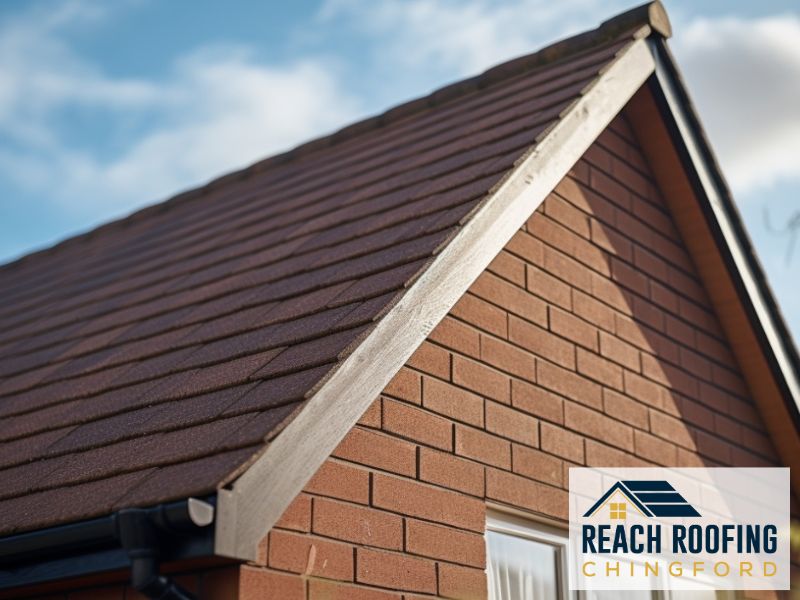
In the UK, the two main types of manufactured roof tiles offered as an alternative to natural slate are clay tiles and concrete tiles.
Clay Tiles
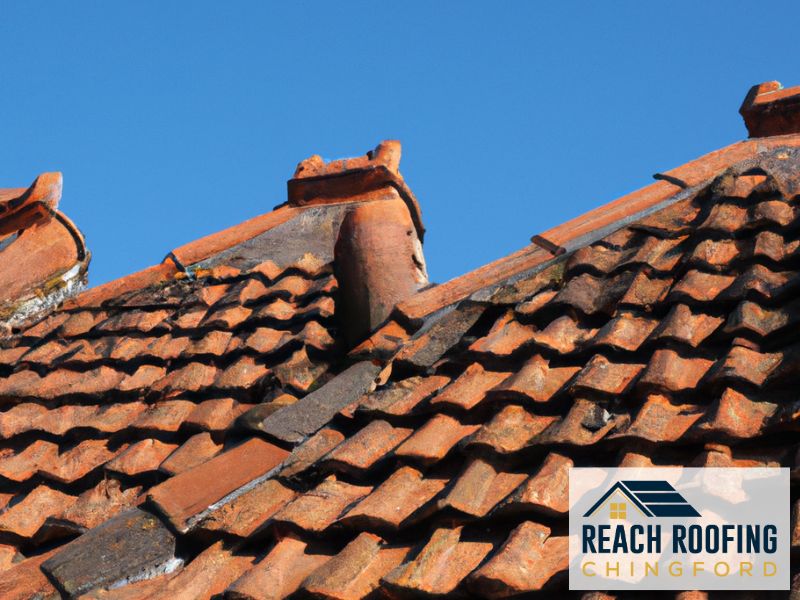
- Made from clay which is fired at high temperatures to harden
- Offer an extensive variety of styles and colors
- Durable but brittle so some breakage can occur
Concrete Tiles
- Manufactured from sand, cement, and mineral color pigments
- Cheaper than clay and slate tiles in most cases
- Offers similar shapes and styles as clay
Roof tiles have both advantages and disadvantages when it comes to cost factors:
Advantages
- Affordability – Concrete tiles in particular offer an inexpensive roofing option, with prices ranging from just $100-250 per square installed.
- Variety – Clay and concrete tiles come in diverse styles and colors at multiple price points to suit different budgets.
Disadvantages
- Lifespan – Tiles typically last 30-50 years at best before needing replacement, though high-end clay tiles may reach 100 years.
- Maintenance – Roof tiles require more frequent maintenance such as clearing debris and moss or isolated repairs of broken or missing tiles.
Cost Comparison: Slate vs. Roof Tiles
How do the upfront installation costs and long-term expenses really compare when choosing between slate versus clay or concrete roof tiles in the UK?
Initial Installation Costs
- Slate – $300-1,500 per square PLUS $300+ per square for professional installation labor costs
- Clay/Concrete Tiles – $100-250 per square installed
Clearly, the installation of roofing slate is substantially more expensive. However, slate’s extreme durability of 80-150+ years compared to just 30-50 years for most tiles helps compensate for the higher initial costs.
Long-Term Expenses
Over decades of use, cheaper tiles end up costing homeowners more when you factor in maintenance and repairs or complete re-roofing every 30-50 years. Key differences:
- Maintenance/Repairs
- Slate requires little annual maintenance and few repairs over its lifetime.
- Tiles require frequent clearing of debris and moss plus broken tile replacements.
- Energy Efficiency
- Slate provides excellent insulation, reducing home heating and cooling costs.
- Some tiles have thermal performance issues resulting in higher energy bills.
Ultimately, the longevity of slate makes it more cost-competitive in the long run, saving homeowners roof replacements and maintenance expenses over time.
Cost Influencing Factors
Variables that impact the overall comparative costs of slate versus roof tiles include:
- Roof Size – Materials costs directly correlate to roof square footage.
- Installation Complexity – Intricate roof structures drive up slate installation labor expenses especially.
So while basic installation of roof tiles tends to be cheaper upfront, larger or complex roofs close this cost gap through increased labor needs and a greater quantity of tiles required. Regional contractor rates also influence installed costs of both materials.
Frequently Asked Questions (FAQs)
Many homeowners have additional questions about the costs and value considerations when evaluating slate versus roof tiles:
Is slate more expensive than roof tiles?
Yes, the upfront cost of purchasing and installing slate shingles is typically much higher than clay or concrete roof tiles. Slate ranges from $600-2000+ per square installed, while tiles average $100-250 per square installed.
How does the lifespan of slate compare to roof tiles?
Slate lasts 2-3 times longer on average than any type of manufactured tile. Quality slate will last 80-150+ years with minimal maintenance required during its lifetime. Concrete and clay tiles last just 30-50 years typically.
Are there any eco-friendly considerations?
Though slate quarrying has some environmental impacts, slate is non-toxic, recyclable, and does not require high heat kilns for manufacturing like clay. Regional sourcing of slate and tiles impacts transportation energy costs as well.
Which material offers better insulation?
Slate provides outstanding thermal performance to reduce heating/cooling costs. Some tiles rate poorly for conductivity resulting in increased home energy use. Additional underlayments can compensate but increase project expenses.
Can I install slate or roof tiles myself?
Due to their heavy weight and breakability, professional installation is highly recommended for slate or tile roofs. Attempting DIY installation risks property damage, injury hazards, and subpar roof performance unless your skill level is very high.
Are there regional variations in cost?
Yes, contractor labor rates fluctuate moderately across different UK regions driving install costs up or down for both slate and tiles. Material transport costs may also vary depending on distances from local quarries or manufacturing plants.
What factors should I prioritize when choosing between slate and roof tiles?
Focus on upfront budget, lifespan/long-term costs, visual appeal, thermal efficiency, and required maintenance. Weigh your needs and project specifications before deciding on slate, clay tiles, or concrete tiles based on these key cost factors.
Roofers in Chingford compare the costs of slate and roof tiles, highlighting slate’s long-term value despite its higher upfront cost.
Thanks for reading our post, feel free to check out our other services:
- Chimney Repairs
- Commercial Roofing
- Flat Roofing
- Guttering, Soffits and Fascias
- Lead Roofing & Leadwork
- Pitched Roofing
- Roof Repairs
- Roof Replacement & New Roofs
- Skylights & Roof Windows
- Slate Roofing