Brief Overview of Lead Roofing
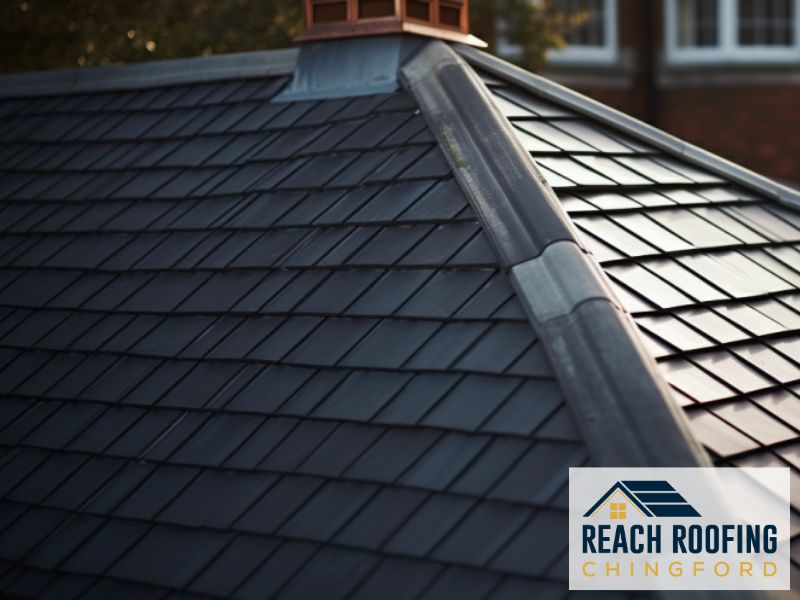
Lead roofing refers to roofing material made from lead sheets. It has been used for roofing and flashing for centuries across Europe thanks to its durability, weather resistance, aesthetic qualities, and recyclability.
In the UK context, lead has historically been used for roofing on churches, public buildings, country houses and cottages for its beauty and longevity. However, while admired for these virtues, lead also carries environmental issues, high costs, maintenance requirements and theft risks.
Roofers in Chingford discuss the advantages and disadvantages of lead roofing, noting its durability and environmental considerations.
This article will analyze the pros and cons of using lead roofing in the UK today, weighing up considerations around:
- Durability and lifespan
- Weather resistance
- Aesthetics
- Environmental impact
- Cost comparisons
- Maintenance needs
- Security against theft
Thoughtful evaluation of these factors can determine if lead roofing is the right choice based on your budget, priorities and building type.
Advantages of Lead Roofing in the UK
Durability and Longevity
One of the main benefits of lead as a roofing material is its exceptional durability and potential for longevity. Key advantages are:
Resistance to Corrosion
Lead has a high resistance to corrosion and oxidization from exposure to water and weather over time. Unlike other metals, lead forms an outer layer of protective patina as it oxidises, preventing deeper damage to the roof. This gives it a remarkably long lifespan.
Lifespan Comparisons with Other Roofing Materials
- Compared to cheaper materials like asphalt shingles (average 20 year lifespan), lead can last from 70-100+ years with proper maintenance and repairs.
- Slate and tile roofs (50-70+ year lifespan) can approach lead's durability.
- However, lead significantly outlasts most metal roofs (30-50 years). Its longevity rivals expensive copper roofs (70-100+ years).
This extreme longevity offsets higher initial costs over decades of use, offering great return on investment. It's what makes lead roofing a fixture on heritage buildings across Britain needing roofs to weather the ages.
Weather Resistance
Lead is highly impervious to water and stands up well to extreme weather conditions, making it an ideal roofing material for the wet British climate.
Waterproof Properties
- Lead is non-porous and does not absorb or retain water. This prevents leaks, mildew risks and interior damage.
- Joints in lead roofing are soldered not nailed or sealed with adhesives. This further waterproofs the structure.
Performance in Harsh Weather Conditions
Lead stands up to:
- Heavy rain, storms
- Snow, hail, freezing and ice
- High winds
- Pollution, saline conditions in coastal areas
- Sun/heat exposure causing expansion and contraction
It reliably protects buildings in all regions and climates across the UK year-round for decades, keeping interiors dry.
Aesthetic Appeal
Beyond functional advantages, lead also offers attractive visual qualities which contribute to its popularity in British architectural tradition.
Architectural Versatility
Due to its softness and malleability, lead sheets can be:
- Worked into custom decorative shapes
- Formed to fit any roofline or detail
This allows for flexible, distinctive architectural expression. The material's historical usage has created signature regional roof styles still prized today for cultural heritage preservation:
- Intricate spires, turrets and domes on churches
- Pitched gables on Tudor era buildings
- Crenellated parapets on country estates
Patina Development
Exposure to weather causes lead roofing to develop a patina - a greyish dull matte coating from oxidization. This patina is considered pleasing and enhances visual integration with stone buildings. Its variability also lends a dynamic, living quality to roofing.
Patina takes on unique aging characteristics in different environmental conditions. So UK regions have signature patina qualities, like the blue-hued roofing in coastal areas.
Disadvantages of Lead Roofing in the UK
However, using lead roofing also comes with some downsides to consider regarding environmental impact, costs, and security.
Environmental Concerns
Lead production and roofing does raise some environmental considerations:
Impact on the Ecosystem
- Lead mining and smelting to create roof sheets can contribute to deforestation, pollution, habitat destruction and more. This needs to be factored in.
- Risk of lead leaching into surrounding soil and water supplies if not managed correctly, causing environmental contamination. Proper patina development is key.
Recycling Challenges
- Energy, resource and carbon intensive to produce so recycling lead is crucial.
- Reusing old lead roofing is common but has decreased with growing safety concerns over lead contamination. Needs dedicated specialist recycling programs.
More sustainable lead sourcing and recycling initiatives are expanding in the UK to help address these impacts.
Initial Cost
Another downside to assess is lead's high initial material and installation cost compared to other common options:
Comparison with Other Roofing Materials
- Asphalt, slate, tile roofs = lowest cost options
- Copper > Lead > Zinc/Stainless Steel > Metal > Thatch > Slate/Tile
On average installing a new lead roof costs £460-£680 per m2 depending on:
- Roof size/layout complexity - economies of scale on larger spans
- Custom fabrication needs - intricacies like crenellations cost more
- Access issues adding labor expenses - height, restrictions
Installation Expenses
- Structural considerations - lead weighs approx. 25kg/m2
- Specialised leadwork skills
- Scaffolding for access
Total installation costs for an average home = £15k-30k+. Worth planning for in your budget.
Theft Risk
Unfortunately lead's high value and malleability also make it an attractive target for metal theft, an ongoing problem in the UK:
Attractiveness to Thieves
- High scrap metal resale value due to lead's market value
- Easy to subtly steal small lead flashings and meltdown
- Hard to trace or identify stolen architectural lead
- Used to metal theft from church roof stripping epidemics
Security Measures
Protecting lead roofing usually requires:
- Physical deterrents - CCTV, security lighting, roof alarms
- Community vigilance against suspicious activity
- Secure storage of lead sheets during installation/repairs
Consider theft likelihood based on:
- Building visibility
- Accessibility features - ladders, flat roofs etc.
- Region's metal theft rates
Most thefts occur on vacant buildings so vigilant monitoring is key.
The hassle and expenses of preventing lead theft should be planned for if choosing this roofing material.
Maintenance Considerations
While durable, lead roofs do require some periodic maintenance and cleaning to prolong lifespan. Plan for:
Regular Inspections
- Check for cracks, holes, loose lead flashing annually after storms.
- Assess patina changes signalling damage - white chalky patches or black corrosion.
- Repair issues promptly before water gets underneath.
Getting a professional assessment every 5-10 years ensures no problems are missed.
Cleaning and Maintenance Tips
- Wipe down surfaces with a damp cloth and gentle cleaner annually - prevents moss/lichen growth which retains moisture.
- Re-seal any joints needing resoldering to maintain waterproofing.
- Monitor and treat staining or discoloration from weathering, bird droppings etc. Hard water deposits can damage patina so need removing.
- Recommended cleaning products - non acidic options like sugar soap that will not react with lead. Never use bleach or chemicals.
With attentive care, lead roofs will last for generations.
FAQ Section
Here are answers to some frequently asked questions about lead roofing to help with decision making:
Is lead roofing environmentally friendly?
The environmental pros and cons of lead roofing include:
Exploring the Environmental Impact
- Lead production can contribute to habitat destruction, pollution, carbon emissions.
- But properly maintained lead roofs don’t contaminate surroundings. Patinas prevent lead leaching.
- The need for periodic lead roof replacement consumes fewer new resources than shorter lasting materials.
- Recycling programs increasingly reuse old lead sheets.
Sustainable Practices
- Using recycled lead, supporting responsible UK suppliers with ethical mining processes, and recycling through roof life helps minimize impact.
- Long lifespan offsets higher embedded carbon relative to other roofing.
So while not fully eco-friendly, lead can be an environmentally sound roofing investment in the UK if responsibly sourced and maintained.
How does lead roofing compare to other materials in terms of cost?
Initial Costs vs. Long Term Value
- Cheaper upfront than lead: asphalt, slate, tile, sheet metal
- But lead substantially outlasts these options, recouping costs over its 70-100+ year lifespan.
Financial Considerations
- Consider lead roofing as a legacy investment for longstanding buildings.
- The value lead adds aesthetically also boosts building property values.
- Requires planning for high initial roofing budget plus ongoing maintenance.
- Protection systems against theft add expenses too.
Lead makes financial sense for longevity needs despite its premium pricing. Value it as durable heritage craftsmanship.
Can lead roofing be easily repaired?
Lead’s longevity depends on prompt repairs when issues emerge:
Common Repair Issues
- Joint failures, small cracks and holes from weathering, animal damage. These must be resealed before water penetrates.
- Loss of adhesive between layers. Requires re-soldering and possibly reflashing.
- Patina deterioration signaling corrosion underneath needs assessment and fixing.
DIY vs Professional Repairs
- Minor maintenance like cleaning gutters or sealing joints can be DIY.
- But assessing issues, accessing the roof safely and intricate soldering usually requires specialist leadworkers. Their expertise preserves roof integrity and your safety.
So while issues can often be repaired easily, professional assistance is best for lasting results without risk.
What measures can be taken to prevent lead theft?
Protecting roofs from lead theft requires:
Security Systems and Deterrents
- CCTV cameras covering roof access points
- Layered physical barriers - locked roof hatches, anti-climb paints
- Infrared alarm systems or PIR sensors trigged by movement
- Gutter spikes preventing footholds for climbing
Legal Implications for Lead Theft
Penalties for metal theft in the UK include:
- Fines up to £50k + victim compensation costs
- Up to 10 years imprisonment
So invest in comprehensive security proportional to your roof's theft likelihood. And report any suspicious activity to the local police. Vigilance will help deter this frustrating issue.
Thanks for reading our post, feel free to check out our other services:
- Chimney Repairs
- Commercial Roofing
- Flat Roofing
- Guttering, Soffits and Fascias
- Lead Roofing & Leadwork
- Pitched Roofing
- Roof Repairs
- Roof Replacement & New Roofs
- Skylights & Roof Windows
- Slate Roofing