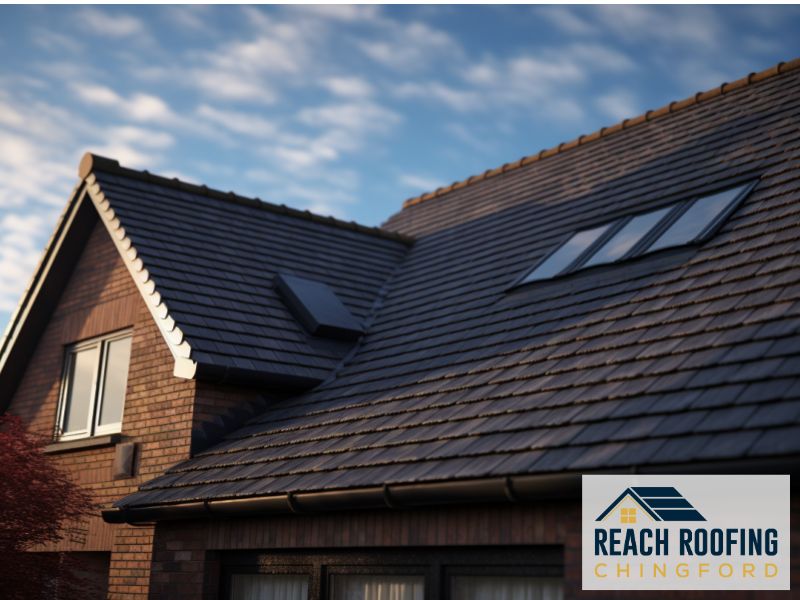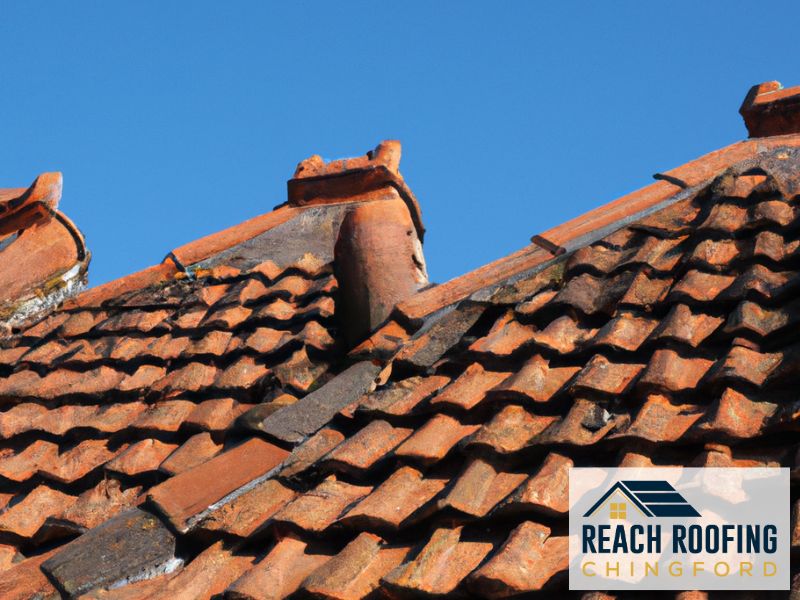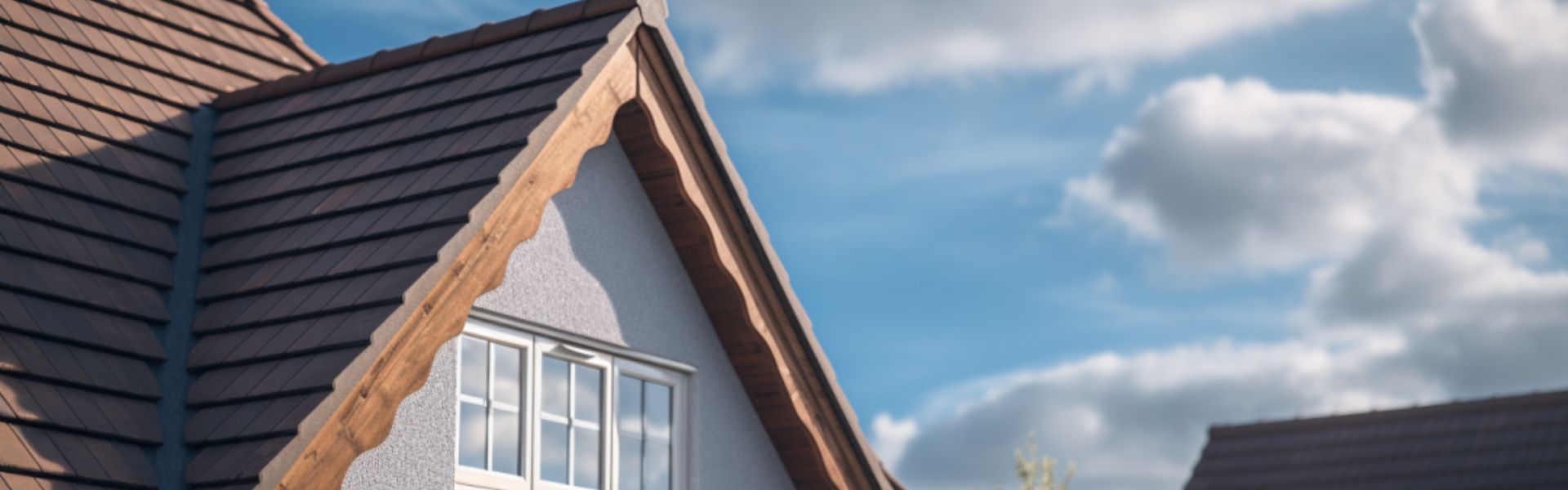
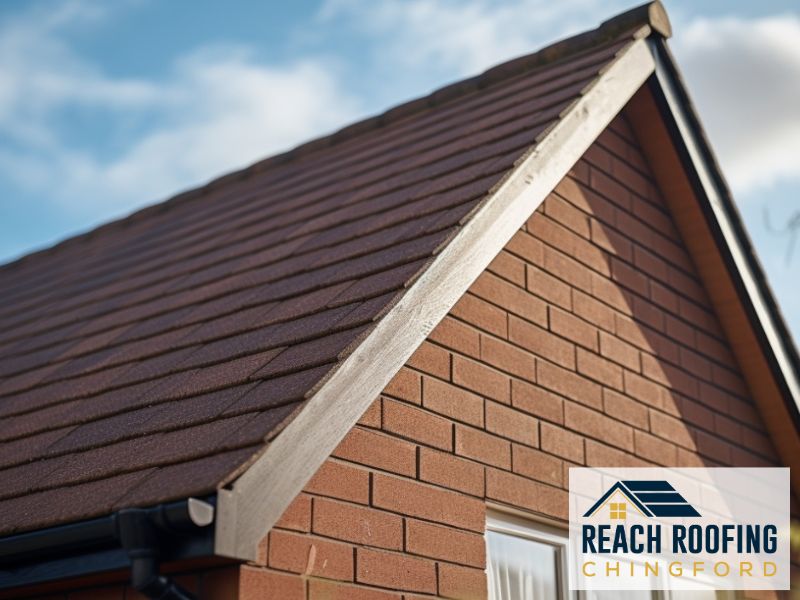
A pitched roof refers to a roof that has sloped surfaces rather than a flat surface. Pitched roofs are a very common sight across the UK. They are especially popular for use in residential housing, but also widely utilized in many commercial buildings as well. Pitched roofing offers some key practical and aesthetic advantages that make it so prevalent. With various options to choose from, it is important to understand the different classification of pitched roofs seen in British architecture.
Types of Pitched Roofs
The pitch or slope of a roof refers to the angle at which the roof surfaces incline upwards from its lowest to highest point. Roof slope is also sometimes called roof angle. While a standard pitch for UK domestic roofs falls in 30°-45° range, pitched roofs can vary greatly in their steepness and design. The common pitched roof styles in the country include:
Gable Roof
A gable roof is one of the most popular pitched roof styles for homes across the UK. It is incredibly versatile and suits small cottages as well as more elaborate house designs.
- Description and Characteristics
Gable roofs have a triangular shape on two sides with a gable or vertical wall created at either end. The roof slopes downwards uniformly on both sides from the central ridge towards these side walls. The triangular gable ends are left open underneath the overhanging section of roof.
Gable roofs are symmetrical with the gables typically built on the shorter sides of a rectangular-shaped home. The dihedral or open space created by the two slopes of roof can be used to add an extra floor like a spacious attic or loft conversion.
Advantages
- Gable roofs have excellent water runoff capabilities thanks to their sloped shape. This prevents any water accumulation issues.
- The overhanging gable ends provide additional protection to the vulnerable corners and wall joints from exposure to rain.
- Gable roof houses enjoy expanded floor space with the scoping for an additional storey/attic area under the pitched roof.
- The freespan triangular shape is ideal for maximizing natural lighting and ventilation within the loft space.
Disadvantages
- Gable roofs can be tricky to properly insulate given their open loft design. Proper vapour barriers and insulation choices are key.
- The unsupported angled overhang of gables makes them vulnerable in high wind zones. Additional bracing may be needed.
Hip Roof
Hip roofs have sloping sides just like gable roofs but also feature sloped ends. The ‘hip’ refers to the additional roof surfaces that create a closed sloping finish on all four roof edges.
- Description and Characteristics
Hip roofs comprise four uniformly pitched roof surfaces that slope inwards from all sides to culminate at a central ridge. Both the triangular gable ends found in regular pitched roofs are replaced by trapezoidal shaped hip ends that mirror the pitch and style of the adjacent sloping roof sides.
The closed sloping edges of hip roofs lend a neatly tailored finish making them highly suited to modern minimal designs. Hip roofs also integrate well with other roofing elements like dormers. A nested hip roof style can be created by having smaller hips built on top of the main roof.
Advantages
- The additional hip surfaces boost wind resistance and offer enhanced protection from rain and snow infiltration
- Lower maintenance than open gable ends
- No need for structural support or bracing of roof edges
- Easier to weatherproof compared to gable roofs
Disadvantages
- Hip roof structures have complex rafter and ceiling joist requirements owing to the multi-directional roof slopes
- More complicated to build than straightforward gable roofs
- Difficult to maximize attic/loft space utilization due to changing ceiling heights
Mansard Roof
Mansard roofs (also called Gambrel roofs) have a unique dual sloping style created by combining both shallow lower pitches and steep upper pitches into one roof line. The visually striking mansard profile makes it ideal for adding distinction to architectural façades.
- Description and Characteristics
A Mansard roof is like a gambrel roof sliced in half to create a two-tiered sloping effect. The lower roof section has a relatively shallow slope. It meets the much steeper, almost vertical upper roof section at a clear sharp diagonal line rather than a typical ridged peak.
This dual-pitched profile maximizes space within the attic zone while maintaining a compact overall height. Dormer windows can be worked into the steep upper slope for added design flair and interior space lighting. The angle of slope and the position of the mansard line can differ greatly based on architectural style and purpose.
Advantages
- Excellent solution for creating a spacious attic level while conforming to strict building height regulations
- Increased attic ventilation and lighting potential
- Visually appealing façade with a unique Old World charm
Disadvantages
- Complicated waterproofing and flashing details
- High rafter skills needed to construct the multi-angled surfaces
- Prone to leaks and decay issues if poorly maintained
Gambrel Roof
Similar in form to a Mansard roof with its dual pitches, Gambrel roofs feature uninterrupted slopes and offer barn-style rustic appeal.
- Description and Characteristics
Gambrel roofs have two distinct roof planes on every sloping side – an upper and lower plane – that intersect to create a peaked ridgeline rather than a straight one.
The flatter lower roof slopes at a sharper angle upwards half way up to culminate in much steeper upper roof slopes, reminiscent of inverted V shapes. Gambrel roofs may also feature gables or hips at the ends.
The Gambrel form factor allows for excellent use of internal space, much like its Mansard cousin. The style is most synonymous with barns and other agricultural/equestrian buildings.
Advantages
- Distinctive rustic aesthetic well suited historically to rural buildings
- Allows for full utilization of upper loft space unlike typical pitched roofs
- Sheds water, ice and snow efficiently off the steeply angled top roof planes
Disadvantages
- Complex rafter framework
- Large overhangs of the upper roof require additional supports
- Difficult to properly insulate and ventilate internally
Shed Roof
As the name suggests, shed roofs have a simple singular sloping plane reminiscent of backyard storage sheds. The lean-to appearance makes them ideal for use as extensions, dormers and porches.
- Description and Characteristics
Shed roofs comprise a single uniformly pitched roof plane that slopes downwards from the higher back roof line or façade to a lower front edge. They lack a standard peak or ridge.
Sometimes there is no raised back border at all, and the roof starts sloping down directly from the wall of the core building. This makes them incredibly cost-effective to construct. The angle of roof pitch can vary based on factors like climatic conditions and architectural requirements.
Advantages
- Very easy to construct and frame owing to uncomplicated open beam design
- Cost-efficient roofing solution for basic structures, extensions etc
- Suits contemporary minimalist styles and tiny home applications
Disadvantages
- Limited internal space utilisation compared to pitched roofs with lofts
- Poor resistance to wind uplift forces and susceptibility to leaks
- Continuous outwards water runoff can undermine foundations if improperly managed
Roofing Materials
While the distinctive profiles make up the skeleton of different pitched roof styles, the outer ‘skin’ or roofing membrane is equally important for aesthetics and functionality. Some common roofing materials used are:
Tiles
Tiles make for one of the most popular and visually appealing pitched roofing finishes across the UK. Pitched tiled roofs are an iconic component of classic British architectural styles. The types used include:
- Clay Tiles – Made from terracotta clay and available glazed or unglazed, clay roof tiles are highly durable, breathable and weather/fire-resistant. Their high cost is offset by an exceptional lifespan of 70-100 years.
- Concrete Tiles – Pre-cast concrete roofing tiles replicate the look of clay tiles while being lighter and more affordable. Thanks to UV-protective acrylic coatings, modern concrete tiles offer good frost and chemical resistance.
- Slate Tiles – Sourced from slate stone, these roofing slates provide complete water impermeability thanks to their dense, non-porous composition. They need minimal maintenance while providing great durability. Natural slate is expensive but offers a 150+ year lifespan.
Shingles
Shingles provide an overlapping, multi-layered covering across pitched roofs. Asphalt composite shingles are especially common but wood or even metal types are also available:
- Asphalt Shingles – Fiberglass mats reinforced with asphalt make for cost-effective and simple pitched roofing. Their layered installation boosts weather protection. Modern laminated architectural shingles provide good resilience.
- Wood Shingles – Sourced from easily renewable softwood or hardwood timber varieties, wood shingles offer visual warmth and eco-friendly natural roofing. They need regular treatment and maintenance for durability.
- Metal Shingles – Made from steel, aluminium or copper, architectural metal shingles promise exceptional longevity, fire/UV-resistance and minimal maintenance needs but are costlier.
Roofing Membrane
Modern pitched roofs also integrate specialized membrane layers underneath the exterior roofing for improved insulation, weatherproofing and ventilation:
- Felt Roofing – Breathable high-strength roofing felt provides cost-efficient supplementary protection from water/snow when installed under shingles or tiles.
- Synthetic Underlayment – Unlike felt paper, woven or non-woven synthetic polymer membranes offer improved tear resistance and longevity when used as underlayment.
Factors Influencing Roof Pitch Selection
Choosing an appropriate roof slope and style is dictated by various factors beyond just aesthetics. These include:
- Climate Considerations – Weather across the UK varies greatly based on region. Areas with heavy snow need steeper pitches for speedy slippage while high rainfall zones require good drainage capacity. Flat roofs suit drier regions best.
- Architectural Style – Modern minimal designs often work best with simple pitched forms like hip or shed roofs. Mansard and gambrel roof profiles provide a heritage charm.
- Cost Implications – Complex multi-gabled or hipped roofs entail higher building and rafter material expenses. Flat concrete slab roofing offers cost savings for basic small designs.
- Local Building Regulations – Council development regulations include various pitched roofing directives like minimum slopes, stormwater management specifications etc that must be factored in.
Frequently Asked Questions
What is the typical pitch for a residential roof in the UK?
The UK follows European Union Standards that specify a minimum pitch of 30° for new pitched roofs in residential buildings to safely facilitate natural precipitation runoff. More commonly, inhabited loft spaces are created with steeper 40-45° pitches. Flat roofs under 10° require additional structural considerations.
Can I change the pitch of my existing roof?
Yes, it is possible to alter the pitch of your current roof through a roof raise or lower job, but this requires modifications to the complete rafter framework. The complexity, costs and building regulations depend greatly on whether it is part of a loft conversion or not. Professional input is advised.
How do I maintain a pitched roof?
Pitched roof maintenance involves checking annually for any material damage like missing, cracked or slipped tiles/shingles and getting them replaced. Also important is clearing any moss accumulation, treating exposed woodwork, checking flashings and keeping gutters/drainage clear to prevent leaks and decays.
Are there any eco-friendly options for pitched roofing materials?
Yes, pitched roofs can also adopt eco-friendly materials like natural slate/clay tiles, recycled polymer slates and membranes, solar tiles or panels, green roof solutions, timber shingles from sustainable forestry and lightweight aluminium/zinc sheeting for sustainability benefits.
What are the signs that my pitched roof needs repairs?
Common indications that your pitched roof requires repairs include leaking interior ceilings, darkened water stains on external roof planes, sagging beams, presence of mould or moss, misaligned or cracked tiles/shingles, blocked gutters, overflowing drains and accelerate wear/erosion of overhanging sections. Getting such issues evaluated and fixed promptly is crucial.
Roofers in Chingford explains the basic types of pitched roofs, from simple gable to complex mansard designs, to complement your home’s architecture.
Thanks for reading our post, feel free to check out our other services:
- Chimney Repairs
- Commercial Roofing
- Flat Roofing
- Guttering, Soffits and Fascias
- Lead Roofing & Leadwork
- Pitched Roofing
- Roof Repairs
- Roof Replacement & New Roofs
- Skylights & Roof Windows
- Slate Roofing