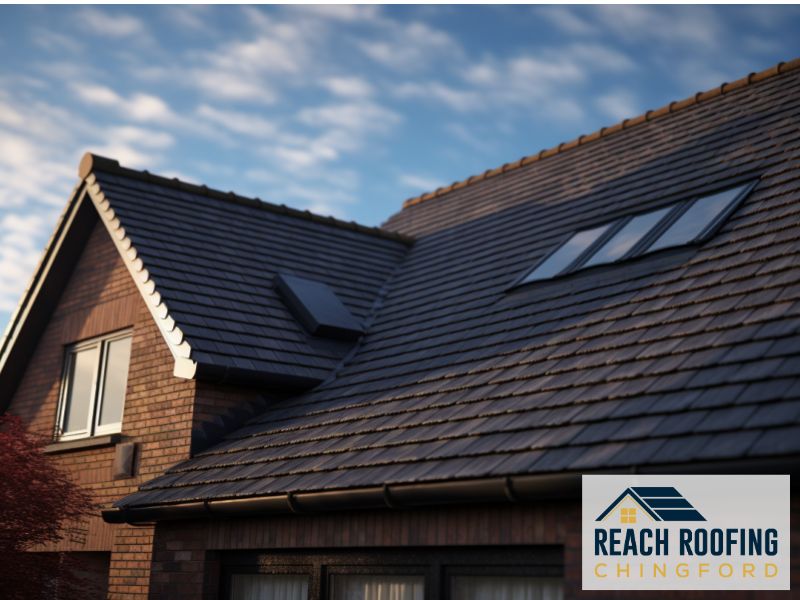
Indoor spaces can often feel cramped and closed off without sufficient natural lighting. Installing skylights or roof windows allows sunlight to permeate these areas, instantly making them feel more open and inviting. But what exactly is the difference between skylights and roof windows in the UK? This comprehensive guide will outline everything you need to know.
Skylights Overview
First, let’s look at skylights. These are essentially windows installed on roof slopes that allow natural light into the spaces below. Skylights may be fixed or openable to allow for ventilation as well.
Skylight Placement and Materials
- Placement: Skylights are mounted on top of the roof structure rather than being integrated within it. They do not impact the roof design themselves.
- Materials: Most skylights incorporate glass or acrylic glazing to allow light transmission. Premium options may use polycarbonate for increased impact resistance. The outer frames are typically wood, vinyl, or aluminium.
Types of Skylights
There are two main skylight varieties available:
- Fixed skylights – Stationary windows that do not open. These maximize light permeability.
- Ventilating skylights – Units that incorporate venting mechanisms, either manually or automatically operated, great for allowing fresh air in.
Benefits of Installing Skylights
Some key advantages that skylights offer include:
- Natural light – Skylights flood interior spaces with natural daylight without the need for artificial lighting during the daytime. This creates brighter, more uplifting environments.
- Ventilation – Ventilated skylights can be opened to improve airflow and air quality, especially useful if opening external windows isn’t an option.
Considerations When Installing Skylights
While skylights provide excellent natural daylighting capabilities, some factors require consideration before installation:
- Roof type – The roof framework needs to structurally support the additional skylight weight. Sometimes reinforcing measures may be required.
- Standing water – Flat roof skylight positioning needs to prevent rainwater pooling which could leak over time.
- Sealing – Proper seals around openings are vital to prevent potential moisture ingress or heat loss which could lead to condensation build-up.
Roof Windows Overview
Now, let’s examine the key traits of roof windows:
Roof Window Design and Integration
- Integration – Roof windows are built-in within the existing roof structure rather than mounted on top like skylights.
- Window styles – Various hinged, pivot, sliding, or domed window types are available to suit preferences.
Main Features of Roof Windows
There are two defining roof window features:
- Opening functionality – Almost all roof windows are operable to various degrees unlike mostly fixed skylights. This allows for ventilation and accessibility.
- Above rafter placement – Roof windows sit neatly between roof rafters rather than disturbing the external roof cladding.
Types of Roof Windows
Some main roof window varieties found in UK homes include:
- Centre-pivot roof windows – The window sash rotates vertically from the centre to ventilate. Good for out-of-reach spaces.
- Top-hung roof windows – The window is hinged at the top and opens outwards like a conventional vertical window. Provides complete external access.
Benefits of Installing Roof Windows
Key upsides for installing roof windows are:
– Accessibility – The hinged openings on roof windows allows for physical or mechanical access which skylights do not provide. This makes roof spaces more functional.
- Ventilation – Almost all roof windows have manual or automatic opening functionality for fresh airflow. Great for bedrooms, bathrooms and kitchens.
Considerations When Installing Roof Windows
Some aspects requiring planning when installing roof windows cover:
- Roof pitch – To prevent exterior water ingress, roof windows need proper integration based on roof slope. Custom flashing and seals may be required.
- Sun exposure – Large roof windows facing direct sunlight for many hours could lead to overheating issues inside during summer. Heat reflective glazing or shading solutions help.
- Maintenance – The movable parts on roof windows means occasional lubrication, adjustment and seal replacement is required over time which fixed skylights may not need.
Key Differences Between Skylights and Roof Windows
Now that we’ve covered skylights and roof windows individually, let’s clearly outline the major differences between them:
Design and Integration Comparison
Skylights:
- Mounted on top of roof structure
- Do not alter roof design
Roof Windows:
- Integrated within roof structure
- Require framing modifications to roof
Functionality and Usage Differences
Skylights:
- Mainly allow natural light permeation
- Primarily fixed or inaccessible
Roof Windows:
- Allow ventilation and physical access
- Mostly operable windows
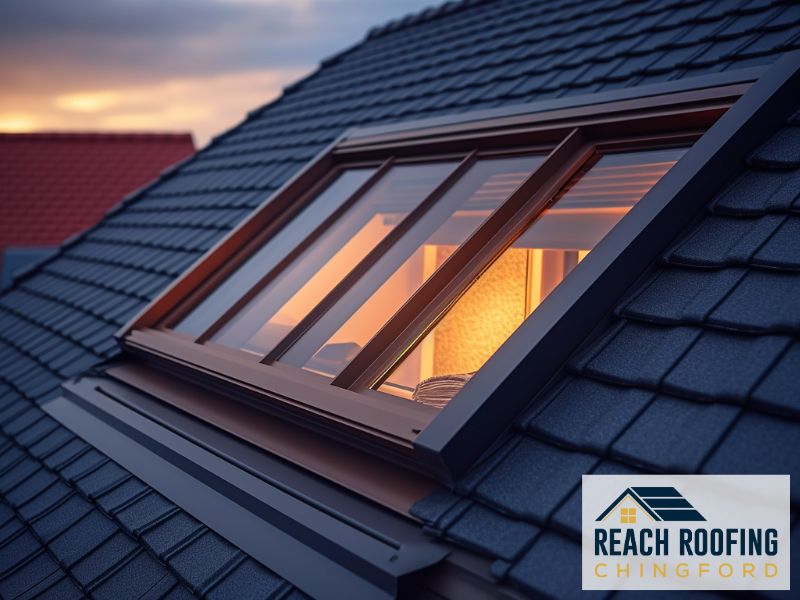
FAQs
Below are answers to some frequently asked questions regarding skylights versus roof windows:
Are skylights and roof windows interchangeable?
No, while both allow overhead daylighting, skylights and roof windows have quite distinct differences in design and functionality as outlined above. Replacing one with the other usually requires significant building modifications.
Can any roof type have skylights installed?
Skylights can potentially be installed on sloped or flat roof structures, but each type requires some special considerations beforehand:
- Pitched roofs require rafter assessment to ensure adequate support
- Flat roof skylights need proper positioning to facilitate water drainage
Do roof windows require more maintenance than skylights?
Yes, the movable and accessible nature of roof windows means they need occasional maintenance over time:
- Lubrication of hinges, pivots and springs
- Seals and weather stripping replacement
- Opening/closing mechanism adjustments
Fixed skylights require much less routine servicing once correctly installed. Proper sealing is still vital though for durability.
Which is more energy efficient – skylights or roof windows?
It depends. Well-installed double glazed skylights minimise heat transfer slightly better than roof windows. But roof windows with Low-E coatings, argon gas filling and insulated frames can match or even exceed skylight thermal performance. Closing roof windows also provides better insulation during cold weather.
Summary
We’ve explored the major differences between skylights versus roof windows prevalent in UK home construction:
- Skylights are fixed transparent panels atop the roof providing natural light
- Roof windows integrate within the roof as operable windows for daylight, ventilation and accessibility
Both roof systems have pros and cons depending on the specific building requirements. Hopefully the explanations and comparisons covered here provide clarity when deciding between skylights or roof windows for your project!
Roofers in Chingford explain that skylights are fixed units designed for overhead lighting, while roof windows can be opened for ventilation.
Thanks for reading our post, feel free to check out our other services:
- Chimney Repairs
- Commercial Roofing
- Flat Roofing
- Guttering, Soffits and Fascias
- Lead Roofing & Leadwork
- Pitched Roofing
- Roof Repairs
- Roof Replacement & New Roofs
- Skylights & Roof Windows
- Slate Roofing