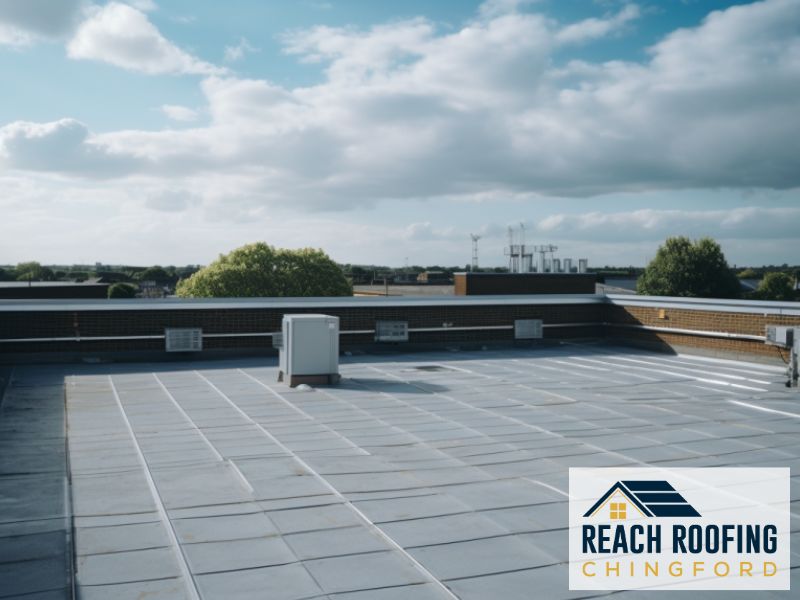
Commercial roofing in the United Kingdom, as in many parts of the world, tends to utilize flat roofing systems more often than pitched roofs. There are several reasons that flat roofs are overwhelmingly the most common roof type installed on commercial buildings across the UK.
Why Are Flat Roofs So Prevalent on UK Commercial Buildings?
There are a few key factors that make flat roofing the preferred choice for the majority of commercial structures in the UK:
- Cost-effectiveness - Flat roofing is typically cheaper to install than pitched roofs. The simplicity of construction and fewer required materials reduce overall cost.
- Maximized space utilization - Flat roofs allow HVAC equipment, solar panels, exhaust vents and other mechanical infrastructure to be installed on the roof without complicated bracketing or platforms.
- Ease of maintenance - Walking, standing and working on a flat roof is far easier than on steep sloped pitched roofs. This is essential for regular inspection and repairs.
- Structural integrity - Large clear span buildings without interior supports rely on the roof's strength and stiffness. Flat roofs require less robust framing.
- Flexibility - Flat roofs can utilize diverse waterproof membranes and materials that can be adapted to various building needs.
There are also UK climate factors that make the controlled water runoff and drainage of flat roofs desirable:
- Significant rainfall - Flat roofs allow water to drain efficiently and are less prone to leakage. Pitched roofs can struggle handling heavy rain.
- Few snow load concerns - The UK has modest snow accumulation. Flat roofs are adequate whereas pitched roofs fare better in heavy snow.
- Mild temperatures - The UK's temperate weather reduces thermal expansion concerns that can impact flat roofs in extremely hot or cold climates.
Common Flat Roofing Systems Used on Commercial Buildings
There are a handful of specific flat roofing types, materials and systems commonly installed on commercial buildings across the United Kingdom:
Built-Up Roofing
This multi-ply hot asphalt and fabric system has waterproof redundancy through layered construction:
- Asphalt - Hot asphalt is mopped between each layer to adhere and seal the plies.
- Roofing felt - Tarred organic or fiberglass mat forms roofing membrane. 3 or more layered plies.
- Surfacing - Gravel or mineral coat protects the roofing felts from weathering.
Modified Bitumen Roofing
Factory blended sheets fuse rubberized asphalt with reinforcement layers:
- Asphalt blending - Bitumen is blended with elastomers for flexibility.
- Reinforcement - Polyester mat or fiberglass mesh for durability and strength.
- Application method - Self-adhering, torch-on, or hot asphalt adhere membranes.
- Reflectivity - White mineral surface treatments can increase solar reflectance.
Single-Ply Membrane Roofing
Pre-fabricated waterproof thermoplastic or rubber sheets:
- Thermoplastic - Flexible PVC or TPO sheets are heat welded at seams.
- Rubber - EPDM synthetic rubber remains flexible in all temperatures.
- Ballast - Gravel, pavers or other ballast may be required to counter wind uplift on low-slope roofs.
Factors Impacting Pitched Roof Use on Commercial Buildings
While flat roofs dominate the commercial sector, pitched roofs are occasionally used on UK commercial building construction. Pitched roofing may be considered based on:
- Desired aesthetic - Pitched roofs can provide a more traditional appearance. Flat roof structures tend to have an industrial look.
- Enhanced rainwater drainage - Steeply pitched roofs and gables shed water rapidly during extreme rainfall. Slow drainage on complex flat roofs can be problematic.
- Snow and wind loads - Pitched roofs are inherently capable of managing substantial snow accumulation and wind pressure loads. This can minimize snow drifts and roof damage.
Pitched Roof Materials Seen on UK Commercial Buildings
The pitched roofing materials applied to commercial buildings in the UK are similar to residential roofing but with enhancements to handle greater loads, higher traffic and potential access issues:
Commercial Metal Roofing
- Steel - Heavy gauge steel with durable Kynar 500 finish for corrosion resistance.
- Aluminum - Lightweight sheet metal shingles or panels with baked-on paint finishes.
- Copper - Naturally corrosion resistant roofing for unique architecture. Requires specialized installers.
Commercial Tile Roofing
- Clay - Kiln fired ceramic clay tiles with water shedding shapes. Heavy and brittle.
- Concrete - Pre-cast concrete roofing tiles with integral color. Cheaper but also heavy.
- Composite - Plastic, resin and recycled rubber tiles imitating natural clay tiles but lighter.
Commercial Slate Roofing
- Natural slate - Mined slate stone tiles renowned for durability but expensive and heavy. Required skilled installers.
- Synthetic slate - Molded plastic and recycled rubber tiles provide appearance of natural slate. Lighter and cheaper.
Incorporating Green Roofs on Commercial Buildings
Green roofs with vegetation plantings are occasionally incorporated into commercial buildings in the UK for environmental and architectural benefits including:
- Stormwater management - Vegetation and soils capture and utilize rainwater runoff.
- Energy efficiency
- Plants and growing medium insulate the building, reducing heating and cooling demands.
- Evapotranspiration from plants provides passive cooling.
- Air purification - Plants improve air quality by filtering dust and pollutants.
- Aesthetic appeal - Gardens and designed greenscapes elevate architectural interest.
There are two main types of green roofs applied to commercial buildings:
Extensive Green Roofs
- Lightweight - Thin 2-6 inch soil layer and succulent plants
- Minimal maintenance - Hardy drought-tolerant plants
- Low installation cost - Minimal reinforcement for shallow soil and plants
Intensive Green Roofs
- Custom landscapes - Deeper soil layer sustains wide variety of plants including trees and shrubs
- Regular gardening maintenance
- Higher installation costs - Require significant structural support and membrane protection underneath
Frequently Asked Questions About Commercial Roofing in the UK
UK building owners, architects and contractors often have common questions around commercial roofing best practices. Some of the most frequent commercial roofing FAQs include:
What Factors Should be Considered When Choosing a Commercial Roof Type in the UK?
Some of the key considerations around commercial roof selection include:
- Cost - Roof construction and lifetime maintenance costs
- Structural requirements - Accommodating clear spans, HVAC equipment weights, snow loads
- Climate conditions - Managing insulation, rain and wind uplift issues
- Maintenance access - Safety harness anchor points, service paths
- Sustainability - Stormwater runoff, solar panel readiness, green roof options
- Fire resistance - External spread of flame ratings per UK regulations
- Aesthetics - Appearance for design continuity and architectural coordination
Are There Specific Regulations Governing Commercial Roof Types in the UK?
UK building regulations include some commercial roofing specific requirements around:
- Fire safety - Reaction to fire and resistance to external fire exposure ratings on materials
- Structure - Accommodating minimum snow, wind, occupancy and equipment loadings
- Access and falls - Safety railing, fall restraint anchors and rooftop equipment access paths
Relevant British Standards (BS Standards) also guide commercial roof testing and best practices for wind uplift resistance, water infiltration resistance and mechanical performance metrics.
How Does Climate Influence the Choice Between Flat and Pitched Roofs?
The temperate oceanic climate across much of the UK with high rainfall and moderate temperatures is well suited for flat roofing on commercial buildings for several reasons:
- Drainage - Positive drainage with tapered insulation or structure is more readily achieved with flat roofs
- Snow loads - The modest annual snow accumulation commonly experienced does not typically overload most flat roof designs
- Wind uplift - Properly ballasted and flashed flat roofs can withstand even hurricane force wind speeds
Conversely, pitched roofs can struggle with adequate water discharge during extreme UK rain events but handle higher snow loads in northern areas.
What are the Maintenance Requirements for Different Commercial Roof Types?
Typical commercial roof maintenance activities and frequencies include:
Flat Roofs
- Semi-annual inspections - clear drains, check leaks, membrane defects
- Annual preventative repairs - flashings, sealants, penetrations
- Every 3-5 years - coating restoration
Pitched Roofs
- Annual inspections - missing/broken materials, ridge/eave debris
- Every 2-3 years - Re-secure loose flashings, tiles, slates
- Every 10-20 years - Partial replacements and repairs
- 1-2 annual growing season maintenance visits - Weeding, nutrient application, watering
- Soil, membrane and drainage inspection every 3-5 years
Is it Possible to Combine Different Roofing Systems for a Commercial Building?
It is certainly feasible to utilize different roofing solutions across a large commercial building. Some examples include:
- Main warehouse facility covered by cost effective built-up flat roofing
- Adjacent office building section incorporates a pitched standing seam metal roof with gables and skylights
- Ancillary single storey structures use simplified EPDM rubber flat roofs
- Rooftop patio area features an intensive green roof with decorative plantings
Proper detailing, workmanship and quality materials for waterproofing roofing transitions and penetrations is vital whenever multiple roofing systems abut one another on a commercial building.
Roofer in Chingford identifies EPDM as a prevalent roofing system for commercial buildings in the UK, known for its durability and cost-effectiveness.
Thanks for reading our post, feel free to check out our other services:
- Chimney Repairs
- Commercial Roofing
- Flat Roofing
- Guttering, Soffits and Fascias
- Lead Roofing & Leadwork
- Pitched Roofing
- Roof Repairs
- Roof Replacement & New Roofs
- Skylights & Roof Windows
- Slate Roofing