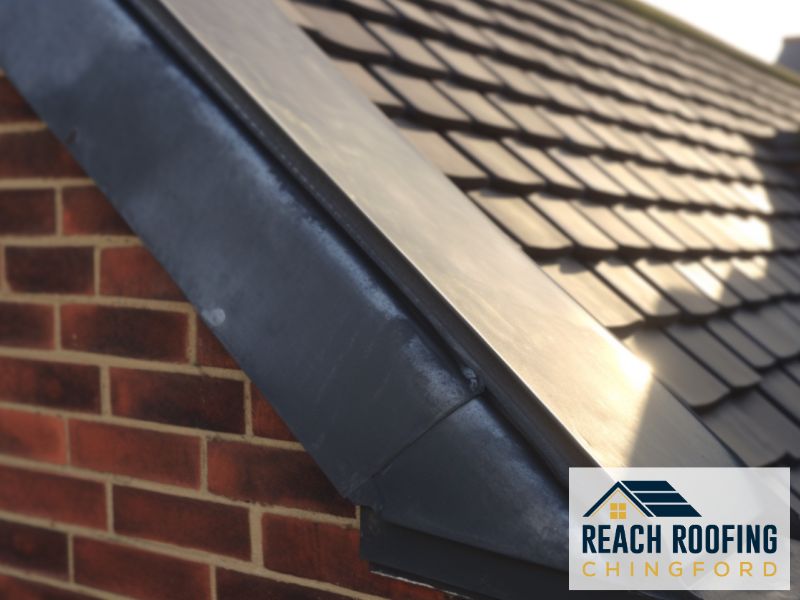
Lead has been used in roofing for centuries due to its durability, flexibility, and waterproofing abilities. Here is an in-depth look at the properties and applications of lead when used in British roofing.
Properties of Lead in Roofing
Durability
- Resistance to corrosion - Lead does not rust or corrode easily, allowing it to withstand decades of exposure to weather elements. This gives lead roofs exceptionally long lifespans.
- Longevity in various weather conditions - Lead holds up well to rain, snow, wind, and sun exposure. It expands and contracts minimally with temperature fluctuations, retaining its weatherproofing abilities.
Flexibility
- Ability to adapt to different roof shapes - Lead sheets can be bent and molded into place during installation, conforming smoothly to curved or angled roofing structures.
- Ease of installation compared to rigid materials - The pliable nature of lead makes covering awkward roof geometries simple for contractors. Less custom fabrication is required compared to using inflexible materials.
Advantages of Using Lead in Roofing
Waterproofing
- Lead as an effective water barrier - Overlapped lead sheets prevent rainwater penetration, keeping interiors dry. Lead resists corrosion and degradation from water, maintaining watertightness for extended periods.
- Prevention of water damage to the underlying structure - Lead shields roof components from moisture infiltration, protecting wood, plaster, and masonry from expensive water damage over time. Leaks are also minimized.
Thermal Conductivity
- Lead's role in regulating temperature - Lead absorbs the sun's heat in summer while insulating buildings in winter. This thermal mass effect enhances energy efficiency in buildings.
- Energy efficiency and insulation benefits - Properly underlaid lead reflects interior heat back inwards during cold weather. This reduces heating costs compared to poorly-insulated roofing systems.
Aesthetic Appeal
- The distinctive look of lead roofing - Lead develops a noble, gray patina over time that lends antique charm to traditional British architecture. Its soft metallic sheen is unmatched by modern roofing products.
- Aging gracefully over time - Unlike other materials that degrade, lead retains its functionality while taking on a dignified appearance through decades of weathering. It adds character to aged structures.
Environmental Impact and Sustainability
Recycling
- Lead as a recyclable material - All lead roofing scrap can be fully recycled into new lead products. This closes the material loop, saving energy and resources.
- Contribution to eco-friendly roofing practices - Using recycled lead, which has very high reuse rates, promotes green and sustainable construction standards in the UK roofing trade.
Energy Efficiency
- Lower energy consumption in lead production - Secondary lead created via recycling requires significantly less energy to manufacture than smelting virgin lead ore. This lightens lead's carbon footprint.
- Reduced environmental impact compared to alternative materials - Studies show lead roofing to have better lifecycle analysis results than materials such as steel or plastic across energy use, pollution, and other eco-impact criteria.
Frequently Asked Questions
Is lead safe for roofing?
- Discussion on lead safety standards - Lead is regulated under UK Control of Lead at Work guidelines and is considered safe when properly handled by certified contractors wearing appropriate PPE precautions. Certain lead compounds are more hazardous and are restricted.
- Proper handling and installation practices - As long as crews use common sense practices like washing hands before eating, lead can be worked with safely during roof fabrication and installation. Standard construction site precautions apply when working with lead sheets and solder.
How does lead compare to other roofing materials?
- Comparative analysis with common roofing materials - Lead generally lasts longer than cheaper alternatives like asphalt, steel, copper, aluminum or zinc when utilized in roofing applications, giving it a superior lifespan. It also requires less maintenance over time.
- Pros and cons of lead in comparison - High upfront cost is the main detriment of lead roofing. However, this expense pays off over decades of near zero maintenance requirements as lead endures while other materials need frequent replacement and refinishing to achieve the same longevity.
Can lead be recycled, and is it environmentally friendly?
- Insights into lead recycling processes - Lead is the most recycled commercial metal globally. In the UK over 80% of lead-based products are produced via secondary lead smelting of recycled content. This saves substantial amounts of energy and natural resources while diverting lead waste from landfills.
- Environmental benefits of using recycled lead in roofing - Studies verify that utilizing recycled lead, especially in durable long-life applications like roofing, is an ecologically-sound practice that reduces lead's environmental impact across numerous sustainability metrics. Specifying recycled lead promotes greener industry standards.
Commercial roof slope impacts drainage and aesthetic; Reach Roofing Chingford can design a roof that meets both practical and visual requirements.
Thanks for reading our post, feel free to check out our other services:
- Chimney Repairs
- Commercial Roofing
- Flat Roofing
- Guttering, Soffits and Fascias
- Lead Roofing & Leadwork
- Pitched Roofing
- Roof Repairs
- Roof Replacement & New Roofs
- Skylights & Roof Windows
- Slate Roofing