
Brief explanation of the growing popularity of skylights in the UK
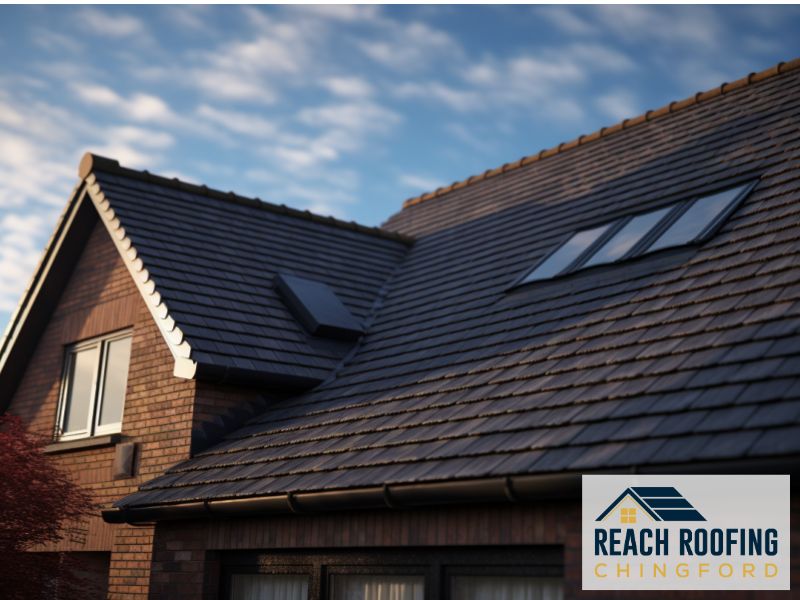
- Skylights, also known as roof windows, have become increasingly popular in UK homes over the past few years.
- They allow natural light into the home, creating bright and airy spaces, especially in rooms without external-facing windows.
- Skylights can also help reduce electricity usage since artificial lighting may not be needed during daylight hours.
Importance of proper planning before installing a skylight
- Installing a skylight requires careful consideration regarding placement, type of skylight, installation method and long-term maintenance.
- Advance planning ensures proper sunlight exposure, temperature regulation, privacy and avoids issues like leaks or condensation.
- This article provides key factors to review when assessing if a skylight is right for your home and planning a quality installation.
Overview of the key considerations to be discussed in the blog post
- Roof type and structure integrity
- Skylight types: fixed vs ventilated
- Material selection
- Professional installation vs DIY
- Location and placement
- Maintenance requirements
- Energy efficiency and costs
- FAQ section on common concerns
Assessing Your Roof and Home Structure
Roof Type and Pitch
- The type of roof you have and its pitch will influence what kind of skylight can be installed and where to best place it.
- Pitched roofs sloping at an angle are the most suitable for skylights. Different roof types like gable, hip, mansard can accommodate skylights if structurally sound.
- Flat roofs require more customized skylight structures that account for water drainage.
- The roof pitch, referring to the steepness of the slope, should be between 15° to 60°. Pitches 45°- 60° are ideal. Too low a pitch can cause water leakage; too steep reduces sunlight access.
Structural Integrity
- Assessing if the existing roof structure can handle a skylight’s additional weight without needing reinforcement is critical.
- Consult a structural engineer to evaluate if roof rafters or trusses require additional support for the new loads.
- For older homes especially, inspect the roof from the attic for signs of weaknesses or damage before cutting into it to install a skylight.
Choosing the Right Skylight Type
Fixed vs Ventilated Skylights
- Fixed skylights are non-opening. They provide excellent light and insulation but no ventilation. Better for cramped attic spaces with no room for opening units.
- Ventilating skylights have an opening section allowing fresh air in. Benefits include air circulation and temperature regulation. More prone to leaks if not properly installed.
Material Selection
- Glass skylights provide clarity and durability. Insulation levels vary; double or triple pane options improve insulation.
- Acrylic plastic skylights diffuse light well. Cheaper but can discolour, scratch or crack over time.
- Polycarbonate plastic skylights offer high impact resistance and good insulation. Prone to yellowing as they age.
Key factors influencing material choice:
- Insulation capability
- Light transmission quality
- Durability
- Ease of maintenance
- Cost
Installation Considerations
Professional Installation vs DIY
- Given complex building codes and roof structural considerations, professional installation is highly recommended for skylights.
- Trying DIY risks improper waterproofing leading to major leaks, poor insulation, subpar light direction or structural instability.
- Hiring an experienced tradesperson ensures correct placement calculations, framing, flashing and sealing for optimal performance.
Location and Placement
- South-facing placement provides best sunlight access in the UK. Consider potential sunshine glare in rooms.
- Place away from overhanging branches or structures which could eventually block light.
- Consider attic space uses before fixing skylight placement to maximize illumination below.
- Offset multiple skylights rather than lining up to distribute natural light most effectively throughout interior rooms.
Maintenance and Long-Term Considerations
Cleaning and Upkeep
- Use a soft cloth with mild detergent and water to clean interior and exterior glass 3-4 times a year.
- Check flashing seals, frames and glazing for any deterioration annually. Re-caulk areas as needed to prevent leaks.
- Have professional inspections done every 3 years to spot potential problems early like condensation between panes or roof movement around frames.
Energy Efficiency
- Double or triple pane skylights with argon gas fill provide better insulation and energy savings.
- Adding a remote-controlled blind helps regulate heat gain and loss. Close blinds at night for better insulation.
- Consider solar powered, self-regulating skylights to prevent overheating in sunny weather and reduce energy costs.
- Energy-efficient skylights cost more upfront but provide better temperature regulation and savings over a lifespan of 15-20 years.
FAQ Section
How can I prevent leaks from my skylight?
- Quality installation by a professional certified in skylight flashing methods is key for preventing water seepage long-term. Ensuring proper drainage slope, durable sealants and weatherproofing materials are used will safeguard against leaks.
Is condensation buildup inside skylights a concern?
- It’s common for temperature variations between cold external air and warmer interior air to create some light condensation on the inner skylight pane. Unless pooling occurs between panes, it’s not a problem. Proper ventilation around skylights prevents excessive moisture buildup.
Will a skylight lead to significant heat loss in my home?
- High performance double or triple pane skylights filled with argon or krypton gas minimise heat transmission. Blinds and insulated kerfs further limit heat loss. South facing skylights collect abundant free solar warmth during colder months too.
Can skylights withstand extreme weather events like hailstorms?
- Yes, modern skylights are rigorously impact-resistance tested for durability. Polycarbonate and laminated glass models can tolerate golf ball-sized hail pounding at up to 200 mph wind speeds. Some even come with 20 year weatherproof warranties for glass and frames.
Before installing a skylight, consider its placement, size, and energy efficiency, details Roofing Chingford experts can help you navigate.
Thanks for reading our post, feel free to check out our other services: