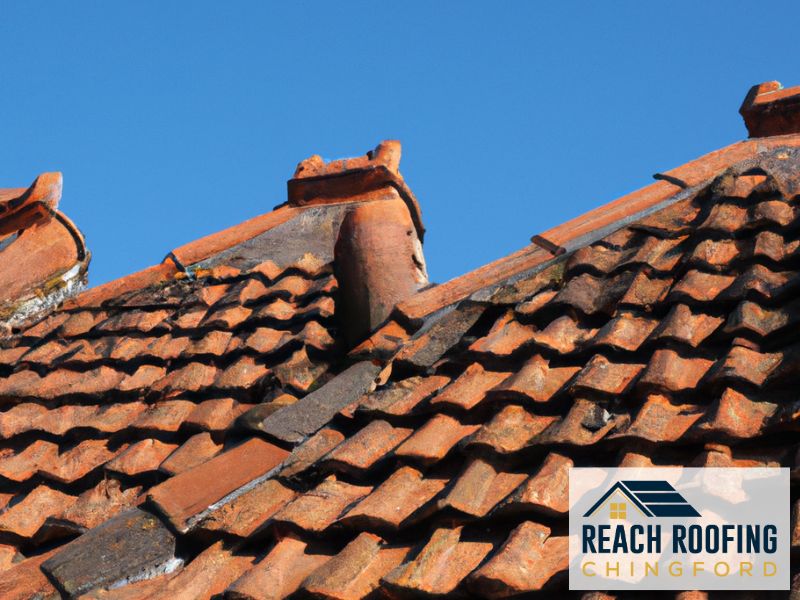
The choice between a flat or pitched roof is one of the most important decisions when building or renovating a property. The climate in the UK brings heavy rainfall and fluctuating temperatures, making the roof design and materials critical factors. When selecting a roof, it is essential to consider the advantages and disadvantages, architectural styles, maintenance needs and costs associated with both flat and pitched options. This guide provides an in-depth comparison to help determine which roof type is better suited for your needs.
Flat Roof Characteristics
A flat roof refers to a roof structure with little to no slope or pitch. These roofs may have a slight incline to facilitate drainage but do not use sloped rafters.
Common design features of flat roofs include:
- Low slope or completely flat surface
- Built-up construction using multiple layers
- Covered with waterproof membranes
Flat roofs are typically constructed using materials like EPDM rubber, PVC, TPO, modified bitumen, or asphalt. These waterproof membranes make the roof surface weather-tight and prevent leaks. Materials can be glued or mechanically fastened to the roof deck.
The main advantages of flat roofs are:
- Cost-effective – Flat roofs tend to cost less upfront compared to pitched roofs. Installing a flat roof requires less structural framework and materials.
- Increased usable space – The flat surface adds a usable living space or roof deck. It also allows for easier installation of equipment like HVAC units.
However, flat roofs also come with some potential disadvantages including:
- Drainage issues – Standing water can accumulate and cause leaks over time due to the lack of slope or pitch. This makes proper drainage systems essential.
- Potentially shorter lifespan – Exposure to weather elements can deteriorate flat roof membranes faster than steeply pitched roofs. Regular maintenance is key.
Overall, flat roofs work well for:
- Residential buildings like extensions, garages, and porches
- Commercial spaces and warehouses with large surface areas
The minimal slope allows for versatile space utilization in these structures. Proper maintenance is vital for durability.
Pitched Roof Characteristics
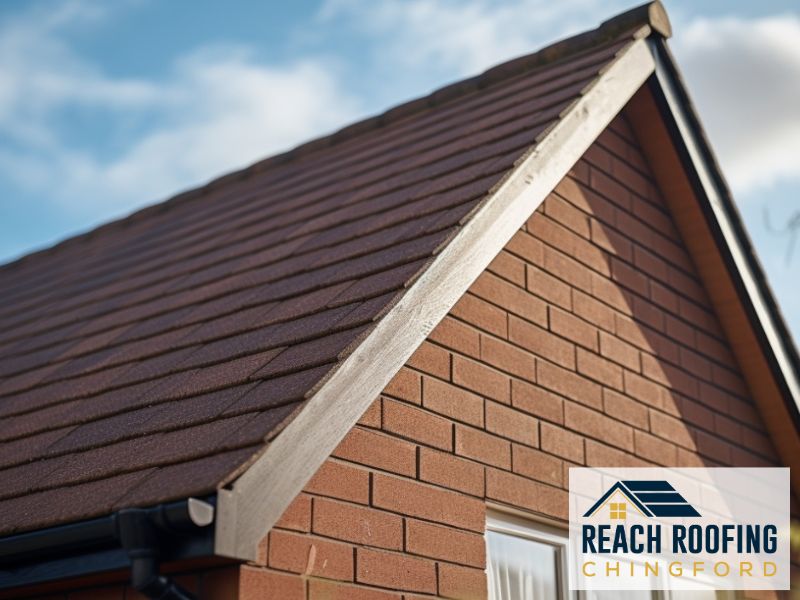
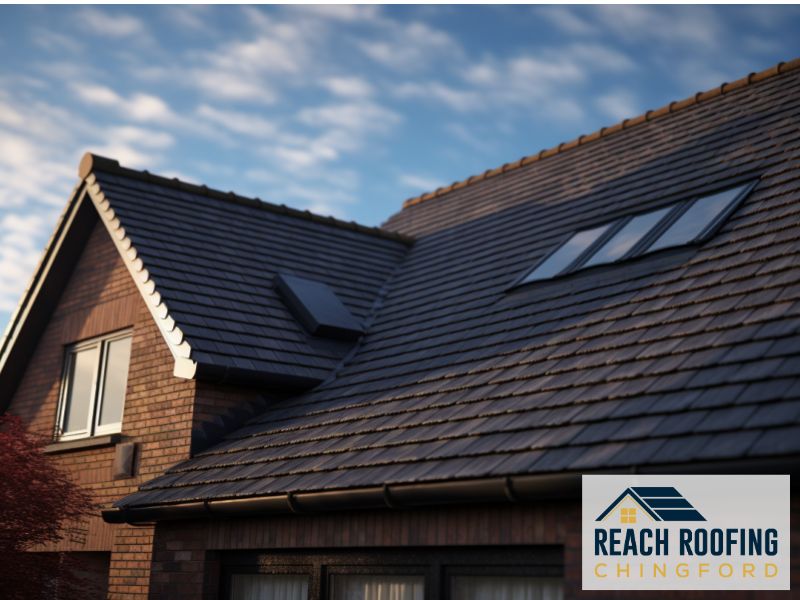
In contrast to flat roofs, pitched roofs are angled or sloped to allow water and debris to easily run off.
Common features of pitched roof designs:
- Triangular sloped shape
- Frame constructed using rafters
- Covered using tiles, slate, shingles or metal sheets
The most widely used pitched roof materials in the UK include:
- Concrete or clay tiles
- Natural slate
- Asphalt composite shingles
- Metal including zinc, copper and stainless steel
Some major benefits provided by pitched roofs relate to:
- Effective rainwater drainage – The sloped shape allows water, snow and debris to slide off quickly, preventing damage.
- Long-lasting – Durable materials like slate and metal can withstand weather exposure for 50+ years.
Potential downsides of pitched roofs involve:
- Higher installation costs – Extensive structural framework and wide choice of materials increase initial spend.
- Limited attic/loft space – The angled shape reduces potential storage compared to flat roofs.
Homes with pitched roofs remain popular in the rainy UK climate. The sloped architectural style also suits traditional British property design. Pitched roofs withstand seasons well when properly installed.
Factors Influencing the Flat Vs Pitched Roof Choice
There are several important considerations when deciding between a flat or pitched roof option:
Climate Conditions
The UK faces cool temperatures, severe winds and periods of heavy rainfall.
- Rain – Torrential rain makes good drainage critical. Pitched roofs fare better avoiding leaks.
- Temperature – Flat roofs often have fewer insulation issues. But heat loss via pitched eaves may need addressing.
As the UK climate grows wetter and warmer, both roof types may need adjustments to prevent internal damage long-term.
Architectural Preferences
Aesthetic appeal and integration with existing architecture impact roof choices:
- A pitched roof normally suits a classic brick British home better visually.
- Flat roofs allow modern architectural creativity in extensions and remodels.
Ensure the roof type does not detract from overall kerb appeal or clash with the property facade.
Maintenance Factors
All roofs require proactive inspection and repairs, but flat roofs need more frequent intervention:
- Flat roofs warrant annual evaluations to affirm membranes, drains and surfaces stay watertight.
- Pitched roofs may only need cleaning every few years unless damage occurs from weather events.
Factor in accessibility, repair costs, and physical effort involved based on roof choice.
FAQ
Are flat roofs more prone to leaks?
Yes, without proper slope for drainage, flat roofs tend to leak over time as water pools and deteriorates surfaces. Regular sealing, patching and drain maintenance is essential.
Which roof type is more energy efficient?
Pitched roofs with good loft insulation, sealing and ventilation provide better energy savings typically. But installing green roofs or cool coatings on flat roofs also boosts efficiency.
Do flat roofs require more maintenance than pitched roofs?
Absolutely. The materials used in flat roofs more frequently fail from standing water exposure. Annual inspections identify issues early. Pitched roof materials often last for decades without intervention.
Can pitched roofs be customized for modern architectural styles?
Yes, though traditional pitched roofs suit classic homes. Contemporary variations like shallow pitches, curved shapes, and mixed materials retain function while refreshing aesthetics.
What is the average lifespan of each roof type?
Correctly installed, quality pitched roofs last 50-100 years thanks to durable materials. Flat roof lifespans average 10-30 years with proper installation and meticulous maintenance.
Are there any government regulations regarding roof types?
UK regulations mostly address safety standards for working at heights. Planning permission, conservation area and environmental rules may dictate roof material suitability in some locales.
Choosing between a flat or pitched roof involves considering aesthetics, functionality, and maintenance, aspects roofers chingford can advise on.
Thanks for reading our post, feel free to check out our other services:
- Chimney Repairs
- Commercial Roofing
- Flat Roofing
- Guttering, Soffits and Fascias
- Lead Roofing & Leadwork
- Pitched Roofing
- Roof Repairs
- Roof Replacement & New Roofs
- Skylights & Roof Windows
- Slate Roofing