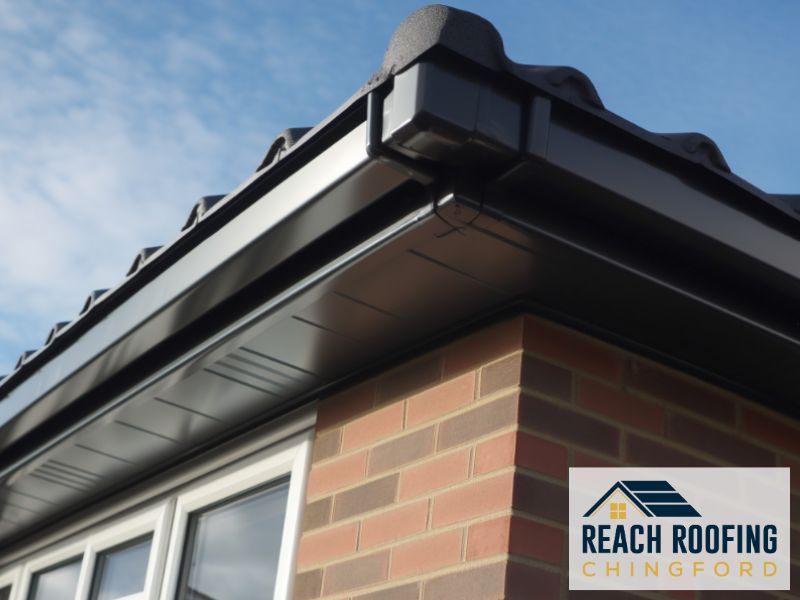
Definition of Soffits and Fascias
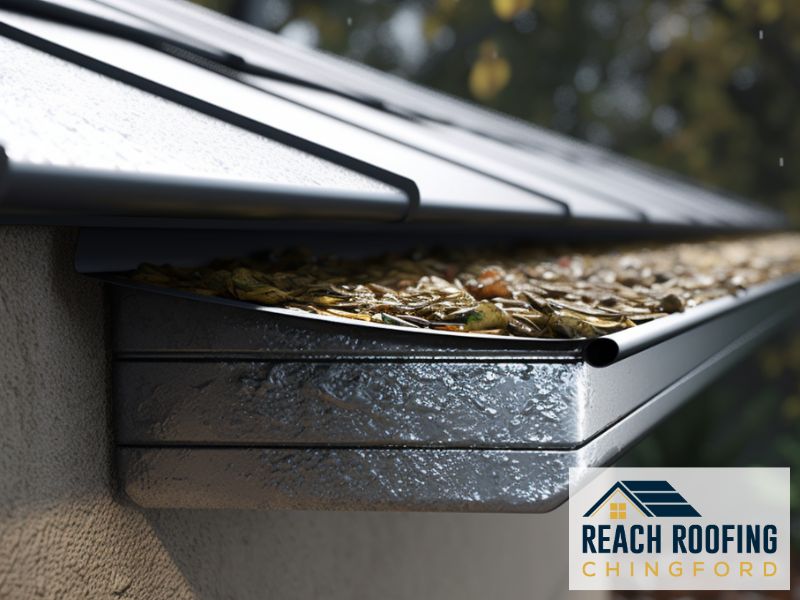
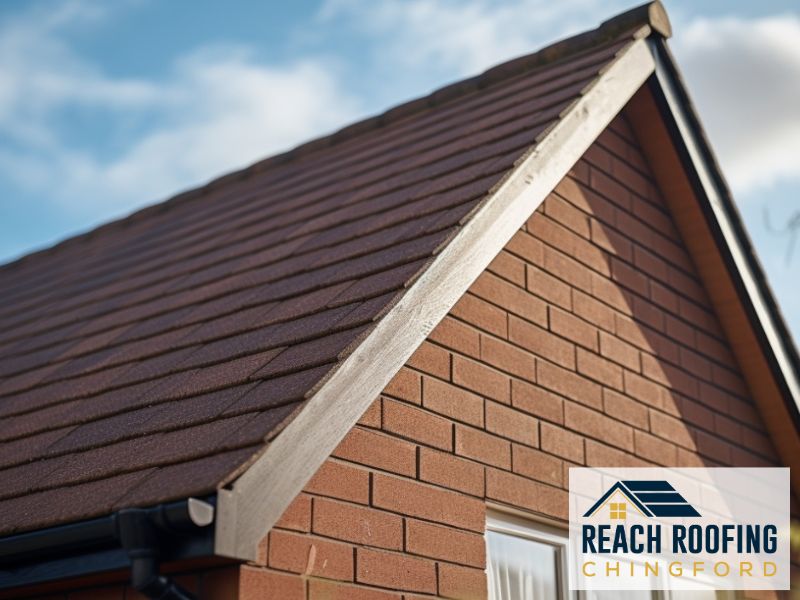
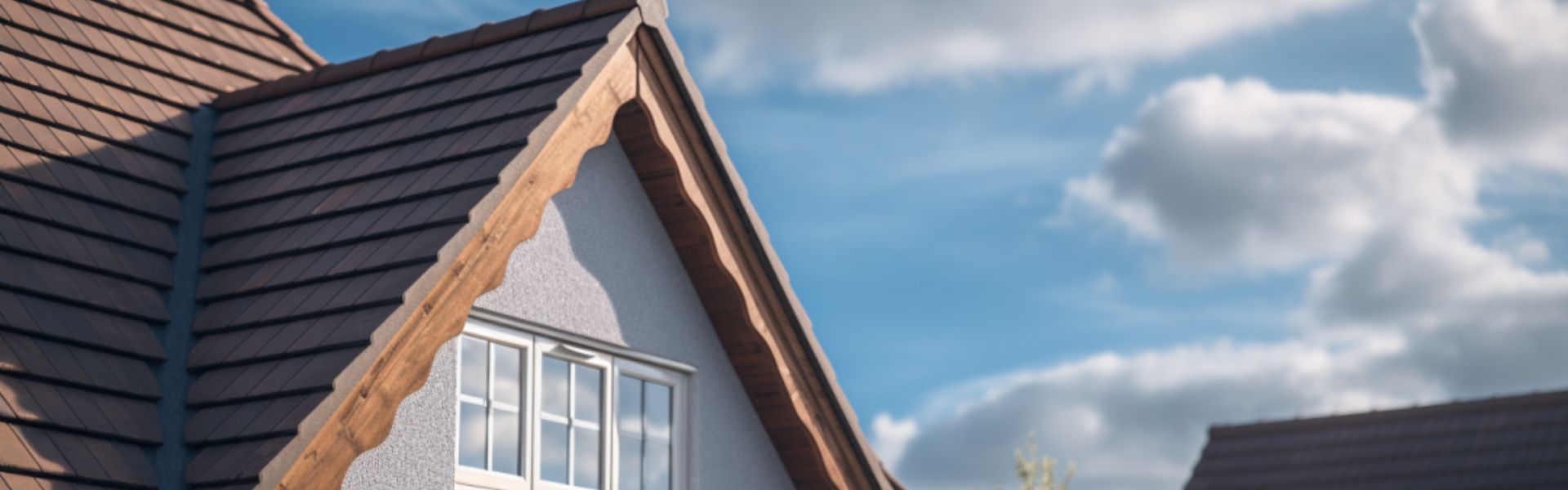
Soffits and fascias are important components of a home’s exterior that play a key role in protecting the structural integrity. Soffits are the horizontal boards that enclose the area underneath roof overhangs, while fascias are the vertical boards that sit atop exterior walls and hold gutters. Together, they form a critical barrier to protect rafters and roof beams from the elements.
Importance of Soffits and Fascias in the UK
In the damp, windy climate of the UK, properly functioning soffits and fascias are crucial. They prevent rain and moisture from penetrating the vulnerable joints where walls and roofs meet. Deteriorated or damaged soffits/fascias allow water ingress, which can lead to expensive repairs from rot and mould. Proper ventilation from soffits is also key to preventing condensation buildup.
Signs of Deterioration
Warning signs your soffits/fascias need replacement include:
- Visible cracks, holes, or sagging
- Peeling paint or fading colours
- Water stains on exterior walls or ceilings
- Damp attics or moldy smells
- Pest infestations like wasps or birds
Reasons for Replacement
Age and Wear
Overview of Typical Lifespan
The average lifespan of wooden soffits/fascias in the UK is 10-15 years. Exposure to rain, sun, wind, and pollution wears the materials down over time. Older homes may still have original soffits/fascias past this age in deteriorating condition.
Signs of Aging and Wear
Visually inspect your soffits/fascias every 2-3 years for indications they need replacing, such as:
- Faded, cracked, or splintering wood
- Rusting or dented aluminium
- Loose, missing, or broken sections
- Paint chipping or peeling
Water Damage
Impact of Water on Soffits and Fascias
When soffits/fascias degrade, water can penetrate behind them into roof rafters and wall cavities. This accelerates rot and decay of wood structures and corrodes metal components. Left unchecked, major structural issues requiring expensive repairs may develop.
Risks of Ignoring Water Damage
Water damaged soffits/fascias lead to many problems, including:
- Black mold infestations
- Compromised roof beams/rafters
- Damaged wall insulation
- Leaking interiors causing ceiling stains
- Pest nesting grounds
Replacing deteriorated soffits/fascias is much cheaper than repairing all this subsequent damage.
Pest Infestation
Common Pests Affecting Soffits and Fascias
Holes or cracks enable various pests to infest soffits/fascias. Common culprits in the UK climate include:
- Wasps/Bees: Nest in gaps and voids
- Birds: Nest in cavities
- Rodents: Chew on materials
- Wood Boring Insects: Bore tunnels
Damage Caused by Pests
Pests can cause considerable destruction, such as:
- Enlarging existing holes/cracks
- Contaminating with nesting materials or droppings
- Chewing electrical wires (fire risk)
- Spreading diseases
Infested soffits/fascias need replacement both for damage and health/safety.
Benefits of Replacement
Improved Aesthetics
Enhancing Curb Appeal
Fresh new soffits/fascias drastically improve exterior kerb appeal. They create an attractive facade that helps the entire home look clean and modern. This also boosts resale value.
Modern Design Options
Homeowners can choose from many styles when replacing soffits/fascias:
- Matte or gloss finishes
- Customized colours
- Wood grain patterns
- Tiled or traditional looks
- Integrated lighting systems
Updating with modern materials makes the home exterior more stylish and contemporary.
Increased Energy Efficiency
Role of Soffits in Insulation
Properly sealed soffits prevent air leaks along tops of walls. This keeps attic insulation functioning at peak efficiency to conserve heating/cooling energy.
Impact on Heating and Cooling Costs
By preventing heat transfer in/out of living spaces, well-insulated attic spaces with air sealed soffits can reduce annual heating/cooling bills by up to 30%. Homeowners get excellent return on investment from soffit/fascias replacement.
Structural Integrity
Supporting Roof Structure
Soffits and fascias provide underlying support for roof beams and rafters. When damaged or rotten, this essential structural reinforcement is compromised. Replacement restores critical stability.
Preventing Potential Structural Issues
Catching soffit/fascias damage early and replacing prevents severe deterioration of roof frames over time. This in turn avoids expensive repairs of sagging rooflines, collapsed rafters, cracked ceilings, and other major structural headaches.
The Replacement Process
Assessment and Planning
Hiring a Professional Inspection
Homeowners should hire an experienced roofer or builder to thoroughly inspect their soffits/fascias and detect any underlying issues needing address. Quotes for replacement work should only be obtained after this technical assessment.
Planning for Replacement
When deterioration is identified, experts will advise if full or partial soffit/fascias replacement is warranted. Factors include:
- Extent/location of damage
- Alignment with other exterior renovations
- Budget for materials/labor
Careful planning ensures an efficient, cost-effective replacement project.
Material Options
Overview of Different Materials
Common soffit/fascias materials in the UK each have pros/cons:
- Wood: Affordable, easy installation but needs frequent repainting and maintenance
- PVC: Long-lasting, low maintenance plastic but can look ‘fake’
- Aluminium: Lightweight, weather-resistant, sleek looking but costs more
- Fiber Cement: Composite wood/concrete is durable but heavyweight
Choosing the Right Material for Your Home
When selecting replacement materials, consider longevity, maintenance needs, environmental factors, appearance, and budget. A reputable contractor can advise the optimal choice.
Hiring Professionals
Importance of Skilled Contractors
Replacing soffits/fascias is complex, risky work. Attempting dangerous high ladder work without proper tools, training, permits, and insurance is extremely foolish.
Obtaining Quotes and Estimates
Homeowners should obtain at least 3 detailed quotes from fully accredited and insured contractors. Compare experience levels, included work, material quality, timeframes, guarantees and pricing. Beware unusually cheap quotes that seem ‘too good to be true’.
Frequently Asked Questions (FAQ)
How often should soffits and fascias be replaced?
- Inspect every 2-3 years and replace as needed, typically every 10-15 years. Harsher weather accelerates deterioration.
Can I replace soffits and fascias myself?
- Only attempt if fully qualified/equipped. Risks of falls or other injuries are extremely high. Hire professionals instead.
What materials are commonly used for replacement?
- Wood, PVC, aluminium and fiber cement are common options, each with pros/cons.
How much does it typically cost to replace soffits and fascias?
- £2000-£4000 is average for a full replacement job, but varies widely based on home size, access, chosen materials and labour. Obtain multiple quotes.
Are there any maintenance tips to extend the lifespan of new soffits and fascias?
- Annual inspections, keeping gutters clean, prompt incident repairs, and repainting/sealing wood every 5 years.
Replacing soffits and fascias improves your home’s ventilation and aesthetics, a service expertly provided by Roofer Chingford to protect against moisture damage.
Thanks for reading our post, feel free to check out our other services:
- Chimney Repairs
- Commercial Roofing
- Flat Roofing
- Guttering, Soffits and Fascias
- Lead Roofing & Leadwork
- Pitched Roofing
- Roof Repairs
- Roof Replacement & New Roofs
- Skylights & Roof Windows
- Slate Roofing